How Long Can Koi Fish Live? Lifespan and Longevity Factors

Introduction
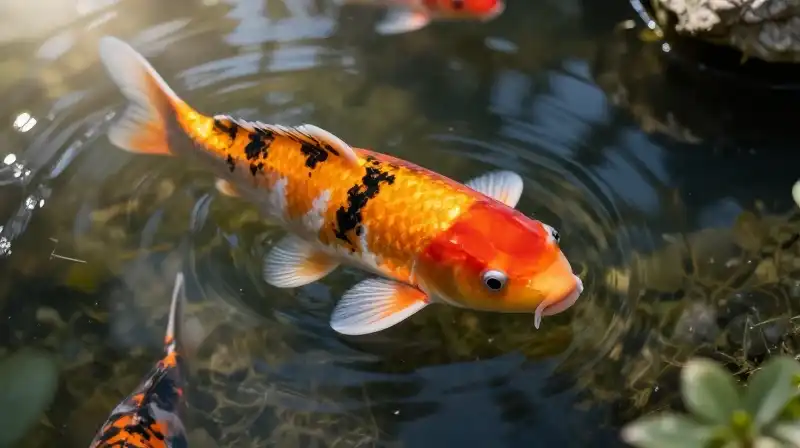
The potential lifespan of a koi fish is not static; it is a complex variable defined by the quality of care and environmental diligence provided throughout its life. While specific cases exist of truly monumental longevity—such as the rare documented outlier of 226 years—the average, healthy lifespan for a koi fish typically falls within the range of 25 to 50 years. Under exceptional, highly dedicated husbandry and specific genetic circumstances, it is biologically possible for some individuals to exceed 100 years. The key to understanding how long a koi fish can live lies in recognizing the profound impact that living conditions and consistent management have. Unlike short-lived ornamental fish, koi are resilient carp, but their survival into the senior years depends entirely on managing their health at every stage of development.
Determining the Typical Lifespan Range
To accurately assess the longevity of a koi, it is helpful to distinguish between typical expectations, statistical averages, and extreme cases.
The general expected lifespan for well-maintained koi is 25 to 50 years. However, several factors can cause published averages to be skewed:
- Selection Bias: Some data may overrepresent highly successful, established breeders who maintain exceptional fish, leading to an inflated statistical average.
- Regional Husbandry: Practices and cultural dedication to fish care vary globally; regions with extremely dedicated protocols often see longer lifespans reported.
The Crucial Factors Driving Longevity
Longevity in koi is rarely due to a single element, but rather a combination of biology, environment, and consistent oversight. To ensure maximum lifespan, consider these contributing variables:
Genetic Predisposition and Diet
Genetics provides the baseline potential for a fish’s life, but lifestyle dictates its realization.
- Genetics: The breed and specific lineage of the koi play a part in its physical hardiness and growth pattern.
- Nutrition: Proper diet is vital, shifting focus as the fish ages. Juvenile phases require a high-protein diet (around 30–40%) to support rapid growth, while older fish benefit from dietary adjustments that support a slower metabolism and prevent obesity.
Environmental Stability and Aquatic Health
The physical habitat of the koi is perhaps the most critical non-biological factor. Koi are not adaptable to poor conditions.
The health of the entire aquatic ecosystem directly influences longevity. Key considerations include:
- Water Quality: Maintaining consistent, clean water and effective filtration is essential. Poor water quality leads to stress, disease, and early decline.
- Housing Size: Koi require substantial living space to thrive. A minimum of 250 gallons of water is generally needed per fish, and large or breeding specimens may require up to 500 gallons or more.
- Stress Minimization: Stable temperature, consistent feeding schedules, and minimal environmental disturbance are necessary to reduce physiological stress, which is detrimental over a long life.
Navigating Koi Life Stages for Maximum Life
Koi growth is segmented, and each stage requires tailored management to ensure they reach their full potential.
- Fry Stage (0–3 months): This fragile phase demands highly consistent temperatures and high oxygen levels to support their initial growth.
- Juvenile Phase (3–12 months): During rapid size increase, a high-quality, high-protein diet is required.
- Adult Phase (3–10 years): This is the period of maturity, where the fish attains its full coloration and maximum size (up to three feet, depending on genetics).
- Senior Stage (10+ years): Growth slows, and maintenance must shift toward preventative healthcare. Signs like faded colors, reduced immune function, and joint stiffness should be monitored carefully.
Addressing Common Questions About Extreme Age
Longevity often raises specific questions, particularly regarding rapid deterioration or exceptional survival.
Can koi fish live 200 years?
While the reported 226-year lifespan is an astonishing record, it should be viewed as a rare outlier. Such extreme ages are likely results of unique genetic conditions combined with highly meticulous, specialized care that transcends typical husbandry. They are not the standard to which most koi will age.
How long can koi fish live in the wild versus captivity?
In captivity, with controlled environments and consistent feeding, longevity is maximized. However, in the wild, survival depends entirely on natural environmental factors like food availability, predator avoidance, and climate. Generally, well-maintained captive koi live longer due to the consistent provision of optimal conditions.
Ensuring a Long Life: Practical Maintenance Guide
Achieving long-term health requires more than just keeping a large tank; it requires preventative, sustained effort.
To support the longevity of your koi, focus on these practical criteria:
- Routine Health Checks: Regularly monitor for any signs of stress or minor illnesses before they become chronic issues.
- Professional Water Testing: Consistently test parameters like pH, ammonia, and nitrates, as even minor fluctuations can significantly stress older fish.
- Strategic Feeding: Avoid overfeeding. Uneaten food poll the water and contributes to poor overall aquatic health and potential digestive issues in senior fish.
- Genetic Alignment: When selecting koi, consider the genetic lineage and hardiness alongside size and pattern to ensure a stable, healthy specimen.
Final Synthesis: Prioritizing Longevity
A koi fish’s life span is a direct reflection of the quality of its care. The journey from a vibrant juvenile to a graceful senior is a commitment to consistent environmental stability, proper nutrition that adapts to the fish’s age, and a proactive approach to health management. By prioritizing substantial living space, flawless water quality, and recognizing the needs of each life stage, you move beyond the average lifespan and ensure your koi has the best possible chance for a truly magnificent and lasting life.
How to Ensure Maximum Longevity for a Koi Fish
Perform Routine Health Checks
Regularly monitor your koi for any signs of stress or minor illnesses before they escalate into chronic problems.
Conduct Professional Water Testing
Consistently test crucial parameters like pH, ammonia, and nitrates, as even minor fluctuations can significantly stress the fish.
Implement Strategic Feeding
Avoid overfeeding, as uneaten food pollutes the water and harms overall aquatic health and can lead to digestive issues.
Select Genetically Sound Specimens
When purchasing koi, consider the genetic lineage and physical hardiness alongside size and pattern to ensure a stable and healthy specimen.
Related Articles