

Gold vs. Platinum: Comparing Value, Cost, and Investment

Introduction
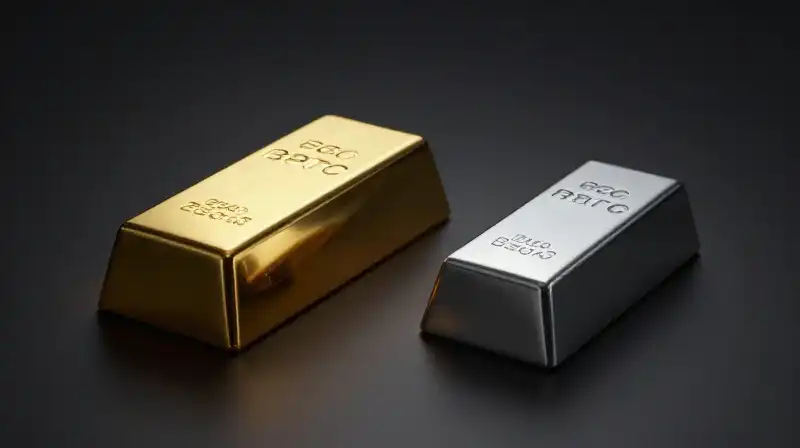
Determining whether gold or platinum is more expensive, valuable, or worthwhile depends entirely on the context of your need: are you buying an investment, or are you selecting a durable, aesthetically pleasing metal for jewelry? Historically, the relationship between these two precious metals has shifted. While platinum has commanded a reputation for extreme luxury and manufacturing complexity, gold has recently reclaimed its position as the global benchmark for value and investment stability. To compare them accurately, we must separate their roles as precious commodities and their functions as consumer goods.
While a pure ounce of gold often holds a higher market value than platinum, a practical platinum piece—such as a heavy, complex ring—can be significantly more expensive than a comparable gold piece. This complexity arises from differences in their chemical, physical, and market dynamics.
Commodity Value vs. Market Application
The primary confusion between the two metals lies in the definition of “value.” In the commodity market, gold currently maintains a premium over platinum. This is driven by gold’s unrivaled status as a globally accepted store of value. When assessing the pure metal value per ounce, gold tends to lead the market, reflecting strong, sustained investor confidence.
However, in practical application, the cost differential changes. Platinum is significantly denser than gold, and its inherent structural properties—specifically its exceptional strength and resistance to wear—make it ideal for high-end jewelry. Because of its superior durability, platinum requires specialized manufacturing processes and heavier construction, which contributes to a higher price point for the finished product.
The Investment Perspective: Stability and Liquidity
For investors, gold is widely considered the safer, more liquid asset. Its long history as a hedge against inflation gives it a unique, established pedigree. Gold boasts greater liquidity; there are always buyers and sellers, making it easy to trade quickly and efficiently, even on a massive scale. This stability has fueled recent surges in the investment market.
Platinum, while still a valuable asset, is generally considered less liquid and more volatile. Its value is heavily tied to industrial demand, particularly its use in catalytic converters. The fluctuations in the automotive and electric vehicle sectors introduce a level of market unpredictability that investors generally prefer to avoid when seeking a stable store of wealth. The current gold-to-platinum ratio is considerably high, reinforcing gold’s premium positioning as the universally recognized safe harbor.
Material Properties: Why the Choice Matters for Jewelry
The decision between gold and platinum for jewelry involves balancing aesthetic desire against functional requirements. Each metal offers distinct advantages.
Platinum: Strength, Durability, and Purity
Platinum is prized by jewellers for its density and strength. It is naturally white, meaning it maintains a pristine, unvarying color that does not fade or discolor over time. Furthermore, it is highly hypoallergenic. Because it is so resilient and strong, it is exceptionally well-suited for securing delicate gemstones, offering unparalleled durability and endurance.
Gold: Versatility, Color, and Malleability
Gold’s primary strength lies in its versatility. It is naturally malleable and easier to work with in crafting than platinum. Gold can be alloyed with other metals to create an expansive range of colors—yellow, rose, or white—offering diverse aesthetic options. While pure gold is soft, gold alloys are engineered to provide high strength and resistance to daily wear while maintaining desirable color.
Supply, Scarcity, and Processing Challenges
Scarcity plays a critical, though complex, role in the market positioning of both metals.
Platinum is a relatively scarce precious metal, and its supply is heavily concentrated, with South Africa dominating global production. This limited, concentrated supply reinforces its high inherent value and market positioning. However, its dense structure and low processing yield make its fabrication highly challenging and costly. Gold, conversely, has a long-established, widespread mining tradition and is generally more common, which influences its market availability and overall accessibility.
While gold mining has a vast historical scope, the limited, concentrated nature of platinum’s supply dictates its niche in the precious metals market. This combination of rarity and processing difficulty is a significant driver behind platinum’s premium price.
Decision Criteria: Which Metal Should You Choose?
When comparing platinum and gold, the choice boils down to prioritizing investment stability, aesthetic requirements, or manufacturing practicalities.
| Feature | Gold | Platinum | Best For |
|---|---|---|---|
| Market Value/Investment | High, Stable, Liquid | Moderate, Volatile, Industrial Linkage | Long-term wealth preservation |
| Color & Versatility | High (Alloys allow multiple shades) | Low (Natural white only) | Diverse personal styling |
| Durability & Strength | Medium (Alloys improve strength) | High (Exceptional strength, dense) | Secure gemstone settings |
| Cost Driver | Purity, Market Demand | Scarcity, Processing Complexity | High-end, heirloom pieces |
Final Synthesis: Choosing Your Metal
The prevailing wisdom is that gold is currently the more robust and stable choice for broad investment due to its liquidity and status as a global economic stabilizer. If your primary goal is preserving capital, gold remains the reigning standard.
However, if the intention is high-level craftsmanship—such as creating a ring that must withstand daily wear without discoloration, or setting particularly delicate gemstones—platinum’s density, strength, and enduring white finish make it the superior material, despite its higher processing costs. Ultimately, the choice is not about which metal is universally “better,” but which metal best serves your specific needs for value, durability, and beauty.
Frequently Asked Questions
Which is more valuable gold or platinum?
In the commodity market, gold currently maintains a premium over platinum, holding a higher market value and greater investment stability as a global benchmark. However, a practical platinum piece can be significantly more expensive than a comparable gold piece because of its manufacturing complexity and scarcity.
Is platinum usually worth more than gold?
A pure ounce of gold often holds a higher market value than platinum in the commodity market, but a practical, heavy platinum piece can be significantly more expensive than a comparable gold piece due to processing complexity and density.
Why is platinum considered better than gold?
Platinum is prized for its density, exceptional strength, and naturally white, unvarying color, making it highly resistant to wear and discoloration over time. These properties make it exceptionally well-suited for high-level craftsmanship and securing delicate gemstones, offering unparalleled durability.
Related Articles