
Scotch Whisky vs. Whiskey: Whats the Difference?

Introduction
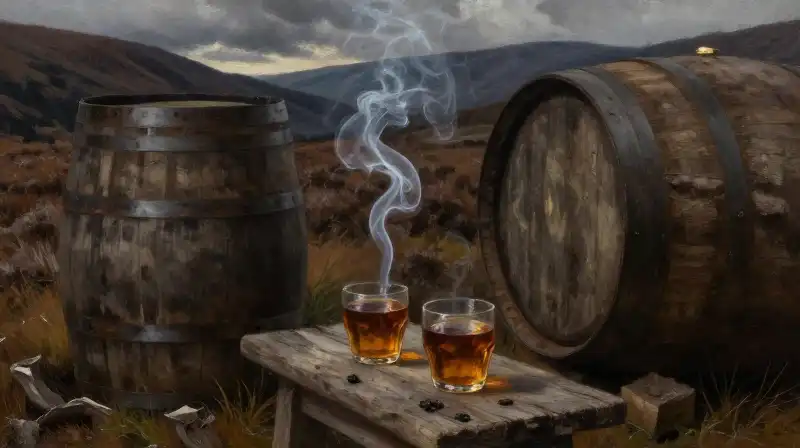
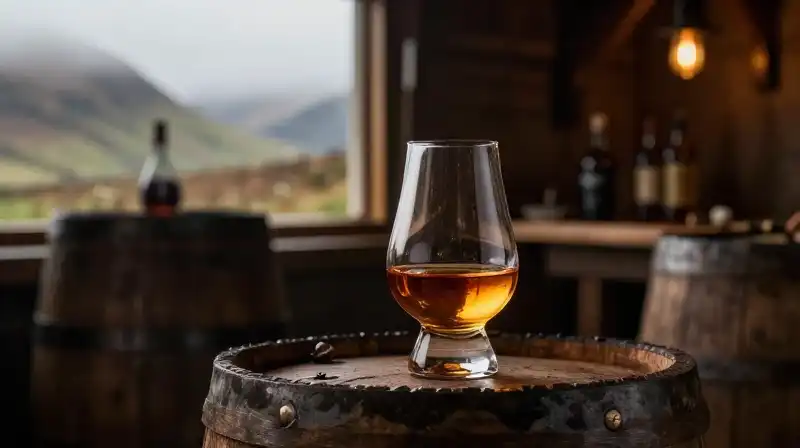
To understand the relationship between Scotch and whiskey, it is first necessary to view “whiskey” as the umbrella term. Whiskey (or its British variant, whisky) is a general classification for any spirit distilled from fermented grain mash. Scotch, however, is not a separate category of spirit; it is a specific, legally protected subset of the world’s whiskies. The difference is not merely one of flavor, but of origin, production rules, and geographic definition. When you see the term “whiskey” on a shelf, you are looking at a broad category; when you see “Scotch,” you are looking at a precise, internationally regulated product born exclusively from Scotland.
Defining the Broad Category: Whiskey vs. Whisky
The term “whiskey” is the global generic descriptor. It refers to any spirit that meets three basic criteria: it must be made from fermented grain mash, it must be distilled, and it must be aged (though some modern varieties might skip aging). The difference between “whiskey” and “whisky” is primarily a matter of dialect and convention. “Whisky” is the standard spelling in Scotland, Canada, and Japan. “Whiskey” is generally used in the United States and Ireland. Both terms refer to the same fundamental product type.
Because “whiskey” is so broad, it includes countless regional styles like Bourbon, Irish Whiskey, Rye, and countless others. Scotch is simply one highly regulated way of making whiskey.
The Legal and Geographic Specificity of Scotch Whisky
The defining characteristic of Scotch is its strict adherence to geographic and procedural laws. To be legitimately called “Scotch,” a spirit must meet non-negotiable criteria that distinguish it from all other whiskies worldwide. These rules dictate the product’s identity.
Key requirements for Scotch Whisky include:
- Origin: It must be produced, matured, and packaged entirely within Scotland.
- Ingredients: It is typically made from malted barley.
- Aging: It must be matured in oak casks for a minimum of three years.
- Classification: Scotch can be further classified as Single Malt (made at one distillery using 100% malted barley) or Blended (a mix of malt and grain whiskies from multiple distilleries).
Unlike generic whiskies, the name “Scotch” is legally protected, meaning the origin must be verifiable. If a spirit meets the basic distillation criteria but doesn’t come from Scotland, it cannot be labeled Scotch.
Distinguishing Scotch from Major Competitors
To understand Scotch fully, it helps to compare it to other major types of whiskey. While all three—Scotch, Bourbon, and Irish Whiskey—are types of whiskey, their production is dictated by completely different regional laws and ingredient mandates. This distinction is critical when deciding which style suits a preferred palate.
The following table outlines the core differences:
| Feature | Scotch Whisky | American Bourbon | Irish Whiskey |
|---|---|---|---|
| Origin | Scotland | United States | Ireland |
| Key Ingredient Requirement | Malted Barley (predominantly) | Minimum 51% Corn | Malted/Grain (flexible) |
| Cask Requirement | Often used second-hand/used casks | Must use new, charred American oak | Often uses used/reclaimed casks |
| Flavor Profile Focus | Smoky, peaty, complex, earthy | Sweet, vanilla, caramel, robust | Smooth, light, typically softer |
Flavor Profiles and Production Nuances
The taste difference between Scotch and other whiskies is driven by the maturation process and specific distillation techniques, not just the geographic location. Peat, for instance, is a traditional ingredient in many Scotch distilleries. When barley is dried with peat before distillation, it imparts a distinct smokiness and earthy flavor that is a hallmark of many traditional styles, particularly from regions like Islay. This smoky complexity is not found in Bourbons or Irish whiskies, which focus on the flavor contribution of the wood and corn/rye mash.
Furthermore, the aging process varies dramatically. While all three main types require aging, the specific cask treatment differs. Bourbon’s mandatory use of new charred American oak imparts a rich, sweet, vanilla, and caramel character. Scotch, conversely, often relies on second-generation casks (casks that previously held Sherry, wine, or Bourbon) to layer unique, complex flavors onto the grain base. This variety of cask use is a major factor in the unique flavor development of Scotch.
Navigating the Labels: A Practical Buying Guide
When purchasing whiskey, the label is your primary guide. Do not rely on general terms like “whiskey” if a specific style is your goal. Always look for the legal designation to determine if the product meets the required standards.
Decision Criteria:
- Goal is smoky complexity? Look for a Scotch, preferably a peated style or one from heavily peated regions.
- Goal is sweetness and vanilla notes? Look for a Bourbon, specifically noting the requirement for new, charred oak.
- Goal is smooth and approachable? Irish Whiskey is often designed with a focus on a lighter, smoother drinking experience.
- Goal is regional authenticity? Ensure the specific label (e.g., “Single Malt”) is accompanied by the proper geographic indication (e.g., “from Speyside, Scotland”).
Practical Warning: Be cautious of the term “Scotch-style.” This is a generic designation for spirits that mimic the *flavor* of Scotch but do not meet the strict legal requirements of the Scotch Whisky Act, meaning they do not originate or mature in Scotland.
Addressing Common Confusion: PAA Insights
One of the most common confusions revolves around prominent brands. Consumers often ask, “Is Johnnie Walker whiskey or Scotch?” The correct answer is that Johnnie Walker is a specific brand of Scotch Whisky. As a blended Scotch, it meets the legal definition of Scotch because its ingredients are sourced from, and its maturation occurs entirely within, Scotland. Therefore, it falls under the legal subset of Scotch, despite the general use of the term “whiskey” in conversation.
When evaluating quality or value, keep in mind that the expense of a spirit often correlates with the level of regulation and complexity of its production. Scotch, due to its rigorous geographical constraints and the aging process, often carries a distinct price point, while mass-market American whiskies may be more cost-effective.
Synthesis and Key Takeaway
The most important takeaway is that “whiskey” is the category, and Scotch is a highly specific, highly regulated product within that category. Think of it as the difference between “fruit” and “apple.” All apples are fruit, but not all fruit is apple. To navigate the world of distilled spirits confidently, always look past the general terms and focus on the specific geographic origin and production methods detailed on the label to truly understand what you are consuming.
Frequently Asked Questions
Is Johnny Walker whiskey or Scotch?
Johnnie Walker is a specific brand of Scotch Whisky, as it is a blended Scotch. It meets the legal definition of Scotch because its ingredients are sourced from and its maturation occurs entirely within Scotland.
How to Navigate Whiskey Labels and Select the Right Style
Evaluate Desired Flavor Profile
Determine the specific taste goals (e.g., smoky complexity, sweetness, smoothness, or regional authenticity).
Seek Smoky Complexity
If the goal is smoky complexity, look for a Scotch, preferably a peated style or one from heavily peated regions.
Target Sweetness and Vanilla Notes
If the goal is sweetness and vanilla notes, look for a Bourbon, specifically noting the requirement for new, charred oak.
Prioritize Smooth and Approachable Taste
If the goal is smooth and approachable, select Irish Whiskey, which is often designed with a focus on a lighter, smoother drinking experience.
Ensure Regional Authenticity
If regional authenticity is the goal, confirm that the specific label (e.g., 'Single Malt') is accompanied by the proper geographic indication (e.g., 'from Speyside, Scotland').
Avoid Generic Imitations
Be cautious of the term 'Scotch-style,' as it is a generic designation for spirits that mimic the flavor but do not meet the strict legal requirements of Scotch Whisky.
Related Articles