
What Compression Shirts Are For: Improving Circulation and Performance

Introduction
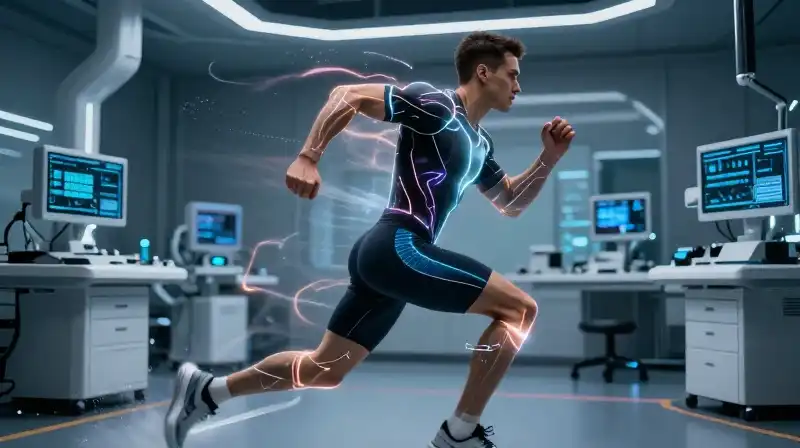
Compression shirts and compression wear are engineered to provide specific physiological and environmental benefits, but they serve two distinct purposes: actively improving blood flow and acting as a foundational athletic layer. Compression refers to the application of external pressure to the body, a mechanism designed to assist the circulatory and lymphatic systems. By pressurizing superficial vessels, these garments help divert blood and fluid toward the heart, thereby minimizing swelling and aiding muscle recovery. While the overarching principle is circulatory support, the “shirt” aspect adds critical functions related to thermal regulation and athletic support. Essentially, wearing compression shirts allows individuals—from elite athletes to those managing circulatory issues—to optimize blood return, manage body temperature, and enhance movement during physical activity.
How Compression Supports Circulation and Performance
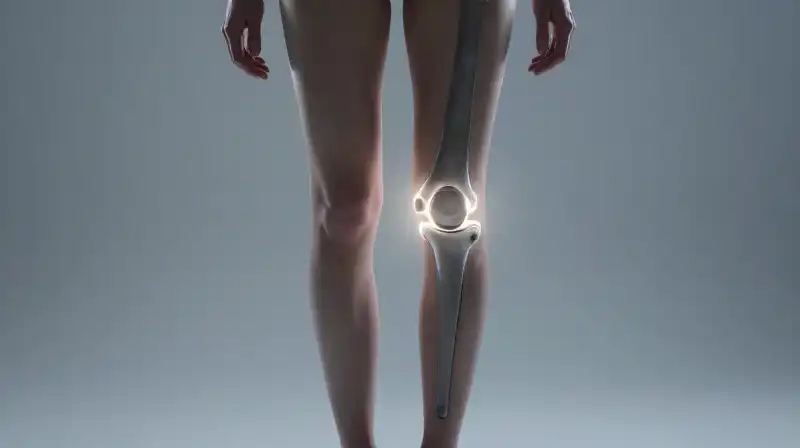
The physiological function of compression garments is rooted in counteracting natural biological challenges. Gravity naturally causes blood and lymph fluid to pool in the lower extremities, placing greater strain on the cardiovascular system. This is often referred to as venous insufficiency or venous deficiency. Compression addresses this through mechanical pressure. The process involves applying external pressure that is often “graduated.” This means the pressure is highest at the extremities—such as the ankles—and decreases progressively as it moves up the limb. This creates a pressure gradient that functions like a biological pump, actively pushing blood and fluid back toward the core and heart. This improved circulation offers several benefits:
- Reduces Edema (Swelling): By limiting the pooling of fluid in the superficial capillaries, compression minimizes swelling.
- Optimizes Oxygen Delivery: For athletes, increased blood flow ensures better delivery of oxygen and nutrients to working muscles.
- Waste Removal: Effective circulation assists in the transport and removal of metabolic byproducts, such as lactate, potentially leading to faster recovery and less muscle soreness.
- Reinforces Veins: In sedentary or aging populations, compression can help reinforce the leaky valves of veins, mitigating circulatory strain from inactivity.
The Function of Compression Shirts as Athletic Apparel
While full-body compression garments focus heavily on the mechanics of pressure, a compression shirt is primarily defined as a lightweight baselayer designed to enhance athletic function and environmental protection. Crafted from specialized synthetic materials like nylon, polyester, and Elastane, its primary role is found in how it interfaces with the skin and the external environment. The utility of these shirts extends beyond mere pressure, providing specific features crucial for diverse athletic demands:
Temperature Regulation and Chafing Prevention
Compression shirts act as a thermal barrier. In hot environments, lightweight, quick-drying, and highly ventilated shirts facilitate heat dissipation and promote cooling. Conversely, in cold weather, some versions offer insulated interiors and mock necks to trap warmth without adding excessive bulk. Furthermore, the tight, seamless fit prevents chafing—a common issue under larger outer layers or during repetitive movements.
Muscle Support and Movement Enhancement
By staying tight to the skin, a compression shirt provides a sense of muscle support that many wear as a psychological or sensory “cue,” helping them better feel their muscles during intense exercise. This support helps maintain muscle structure and allows for a greater range of motion, preventing pinching or bunching under padding or jerseys.
Compression For Specific Athletic Disciplines
The application of compression depends heavily on the activity and the specific goals of the wearer.
For Gym and Strength Training: Compression shirts are frequently used to provide muscular support, reduce perceived effort, and manage body temperature during high-intensity lifting sessions. They serve as a flexible, breathable foundation that minimizes interference from the outerwear.
For Basketball and High-Impact Sports: In basketball, compression is used to manage sweat, prevent skin rubbing, and help maintain blood flow during sustained periods of high activity. While the primary function isn’t pressure-based circulation (like a recovery sleeve), the textile properties ensure comfort and stability during dynamic movements.
For Recovery and Circulatory Issues: For those with long periods of inactivity—such as office workers or individuals managing chronic circulatory conditions—compression shirts or sleeves can aid in mitigating swelling and the sluggish return of fluid, offering a preventative measure against venous deficiency.
Choosing the Right Compression Wear
Selecting the correct compression gear requires matching the garment’s intended function (performance, recovery, or temperature control) to your activity and body.
| Wear Purpose | Recommended Feature | Why it Matters |
|---|---|---|
| Athletic Performance | High flexibility, quick-dry, graduated pressure (if full garment) | Optimizes oxygen delivery and prevents restriction during movement. |
| Temperature Regulation | Lightweight fabric, ventilation (hot) or brushed interior (cold) | Prevents overheating or excessive cooling while providing a barrier. |
| Circulation & Recovery | Medical-grade, graduated compression (e.g., 10-20 mmHg) | Actively assists venous return and reduces swelling and edema. |
Sizing and Fit Requirements
Crucially, the fit must be customized. A compression shirt should be snug enough to provide support and manage moisture, but not so tight that it restricts breathing or major muscle groups. The appropriate version—long-sleeved or short-sleeved—must align with the sport’s requirements and the seasonal conditions of play.
Practical Limits and Considerations
While compression garments offer distinct advantages, it is vital to understand their limitations and avoid misuse.
Compression vs. Weight Loss: It is a common misconception that compression shirts lead to weight loss. While improved circulation aids in the removal of metabolic waste, compression does not burn fat. Physical activity combined with proper nutrition remains the definitive method for managing weight.
Avoid Over-Reliance on Pressure: For recovery, compression is a helpful tool, but it is not a substitute for adequate rest, hydration, or physical therapy. If experiencing persistent pain or circulatory symptoms, professional medical advice should be sought to properly diagnose any underlying condition.
Garment Quality Matters: Cheap garments often lack the durable fibers and structural integrity necessary to maintain consistent pressure over time. Investing in quality, breathable synthetic blends ensures that the garment delivers its intended performance benefits without causing skin irritation or hindering ventilation.
Related Articles