Dog Poop on Grass: Why Feces Are Not Good for Lawns

Introduction
When addressing the question of whether dog waste is beneficial for lawns, the consensus from experts and ecologists is clear: dog feces is not a suitable or safe addition to a healthy garden or lawn. While some arguments suggest that leaving waste on the grass is more eco-friendly than bagging, this view often overlooks significant public health risks, ecological contamination, and the detrimental effect of waste on turf health. Dog feces contains a concentration of pathogens and toxic substances that pose serious threats to both the ecosystem and human well-being.
This article explores the detailed reasons why feces is harmful to grass and the environment, clarifies the distinction between feces and urine, and provides practical, evidence-based guidance on proper pet waste management.
Why Dog Feces Is Harmful to Grass and Soil
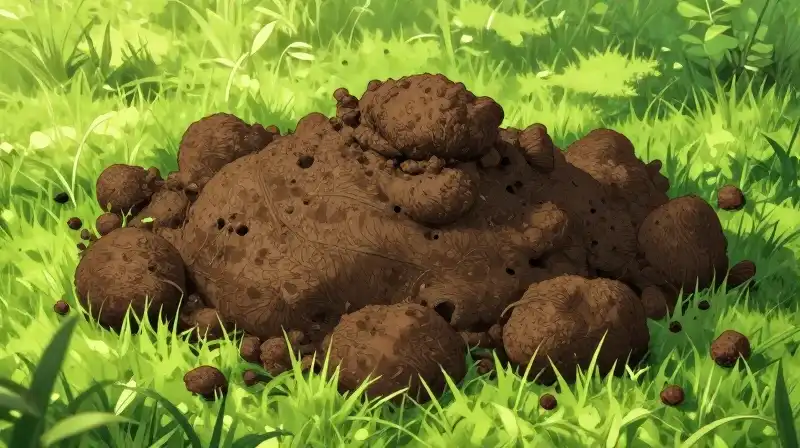
Contrary to popular belief, leaving feces on the grass does not contribute to healthy plant growth. Instead, it creates a compromised environment. Dog feces is fundamentally unfit as a fertilizer because it does not provide the necessary balanced nutrients for strong root development and vibrant turf, and it actively introduces harmful elements into the soil.
The primary concerns regarding dog feces fall into two categories: disease and soil toxicity:
Health Risks and Pathogens:
- Dog feces can carry various dangerous pathogens, including E. coli, Campylobacter, Giardia, and roundworms. These bacteria and parasites can contaminate the soil, seep into groundwater, and pose a risk of transmission to pets and children.
- If the dog consumes non-natural or chemically additive-packed foods, the resulting feces can contain additional toxins that stress the local ecosystem.
Impact on Plant Life:
Fecal matter decomposes into substances that can be toxic to living plants and seeds. When feces sits on the lawn, it does not nourish the grass; rather, it harbors pathogens and degrades the quality of the growing medium. Furthermore, composting dog feces requires stringent management to ensure all harmful bacteria are killed, and even then, professional guidance advises against using resulting soil for food gardens or areas frequented by children and pets due to the residual risk.
Addressing the Difference Between Dog Poop and Urine
A common point of confusion is the difference between the two types of waste. While dog poop is problematic, dog urine serves a different, though still highly managed, purpose.
Nutrient Value of Urine:
Unlike feces, dog urine contains nitrogen, a nutrient that is beneficial for grass growth and similar to the nitrogen found in commercial lawn fertilizers. Repeated urination can theoretically provide some natural nitrogen to the area.
The Hazards of Urine:
However, the benefits of nitrogen are often outweighed by the practical damages urine causes. Concentrated nitrogen runoff can lead to localized chemical imbalances, salt buildup, and acidity. This accumulation often results in “lawn burn”—patches of turf dying off—which is a severe localized damage.
Practical Guidance for Lawn Care and Pet Waste Management
To maintain a healthy, safe, and beautiful lawn, proactive management of both feces and urine is essential. The decision on how to handle waste depends on whether it is feces or urine.
Managing Feces:
The safest and most hygienic practice is proper containment and disposal. This means immediately bagging the feces and disposing of it in an appropriate waste receptacle or landfill. While converting waste into biogas or methane for energy production is a possible alternative, for immediate backyard management, disposal remains the priority.
Mitigating Urine Damage:
If urine damage has occurred, several steps can help revitalize the area:
- Dilution: Diluting spots with water helps offset the high concentration of nitrogen seeping into the soil.
- Correction: To address existing “burn” spots, applying extra-fine ground limestone can help neutralize the acidity. This should be followed by reseeding the affected turf.
- Prevention: Encourage dogs to drink more water to naturally dilute the concentration of nitrogen in their urine. Spot-potty training can also help confine urination to a manageable area, simplifying cleanup and dilution.
Addressing Common Pet Waste Questions
Based on common queries, here are detailed answers to help clarify the situation:
- Is it okay to mow a lawn with dog poop? No. Mowing over feces can spread pathogens across a wider area, increase the risk of cross-contamination, and potentially clog mowing equipment. Poop should be removed before the next cut.
- What does dog poop do for grass? Does dog poop make grass grow faster? Dog feces is not a reliable or safe growth booster. It poses a significant risk of transmitting harmful pathogens and introducing toxins, making it a liability rather than an aid to lawn growth.
- How long will dog poop stay in grass? The timeframe depends on weather and decomposition rates, but organic matter generally breaks down over time. However, the potential risks (pathogens, toxicity) remain until the matter is fully neutralized or removed.
- Is dog poop good for the environment? No. Improper disposal of dog feces contributes to groundwater contamination and introduces ecologically disruptive pathogens, negatively impacting the local environment.
Decision Criteria: Lawn Safety and Maintenance
When evaluating pet waste management, consider the following criteria to make the safest choice for your lawn:
| Waste Type | Primary Concern | Impact on Lawn | Recommended Action |
|---|---|---|---|
| Feces (Dog Poop) | Pathogens (E.coli, Salmonella), Toxins | Toxic decomposition, hinders growth | Immediate bagging and disposal |
| Urine | Acidity, Salt Buildup (Nitrogen) | Localized “lawn burn,” chemical imbalance | Dilution, strategic planting, limestone application |
To maximize the health of your lawn, especially in areas prone to pet traffic, it is recommended to select hardy grass types such as fescues, perennial ryegrasses, and Kentucky bluegrass. These varieties are more resilient to localized stress and chemical imbalances compared to delicate turf.
Summary of Best Practices
Dog feces is not a safe or effective tool for improving your lawn; it presents clear public health and ecological risks. Instead of treating pet waste as an organic fertilizer, manage it as contaminated material. The fundamental priority must be containment and removal. By properly bagging feces and taking corrective measures (like dilution and using limestone) for urine damage, you ensure your lawn remains healthy and that you are preventing the spread of harmful pathogens into your soil and water tables.
Frequently Asked Questions
Is it okay to mow a lawn with dog poop?
No, it is not okay to mow a lawn with dog poop. Mowing over feces can spread pathogens across a wider area and increase the risk of cross-contamination, so the poop should be removed before the next cut.
What does dog poop do for grass?
Dog feces does not contribute to healthy plant growth and is fundamentally unfit as a fertilizer. Instead of nourishing the grass, it creates a compromised environment by introducing toxic substances and harmful pathogens into the soil.
Does dog poop make grass grow faster?
Dog feces is not a reliable or safe growth booster because it does not provide the necessary balanced nutrients for vibrant turf. Instead, it actively introduces harmful elements, posing a significant risk of transmitting pathogens and toxins.
Will dog poop help grass grow?
Dog feces is not a reliable or safe growth booster for grass and is fundamentally unfit as a fertilizer. Instead of nourishing the grass, it introduces harmful pathogens and toxins that degrade the growing medium and pose public health risks.
How long will dog poop stay in grass?
The timeframe for how long dog poop stays in grass depends on weather and decomposition rates, as organic matter generally breaks down over time. However, the potential risks of pathogens and toxicity remain until the matter is fully neutralized or removed.
How to Properly Manage Pet Waste on Your Lawn
Manage Dog Feces
Immediately bag dog feces and dispose of it in an appropriate waste receptacle or landfill to prevent contamination and spread of pathogens.
Dilute Urine Spots
If urine damage has occurred, dilute affected spots with water to help offset the high concentration of nitrogen seeping into the soil.
Correct Existing Damage
To address 'burn' spots, apply extra-fine ground limestone to neutralize acidity, followed by reseeding the affected turf.
Implement Prevention Strategies
Encourage dogs to drink more water to dilute nitrogen concentration, and utilize spot-potty training to confine urination areas.
Related Articles