

Is Pure Water Drinkable? Health Risks of Ultrapure H2O

Introduction
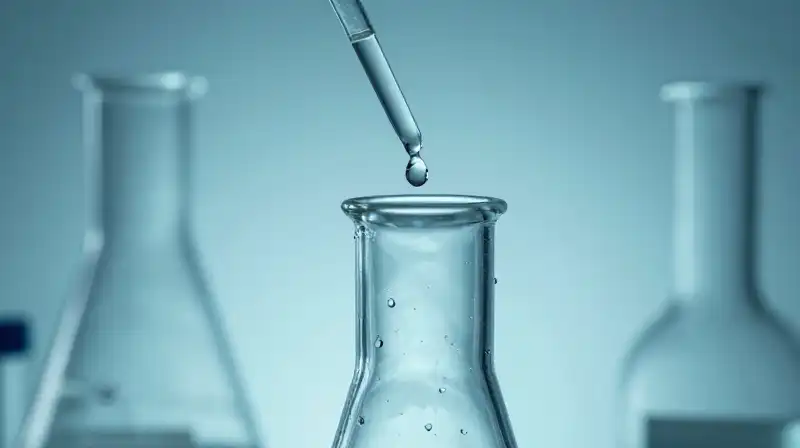
The question of whether ultra-pure water is safe to drink is complex and moves beyond a simple “yes” or “no.” Technically, pure water is 100% H2O, meaning it is free of contaminants, minerals, and dissolved solids. However, when considering long-term human health, the complete absence of dissolved minerals and electrolytes introduces significant physiological risks. Consuming large quantities of highly purified water, particularly when coupled with a standard diet, can potentially disrupt the delicate balance of salts and minerals essential for metabolic processes. The risk is not in the water itself, but in what the water lacks.
Defining Pure Water vs. Necessary Hydration
Before evaluating safety, it is crucial to understand the different categories of pure water. Ultra-pure water, deionized water, and distilled water are all processed to remove impurities. Ultra-pure water represents the pinnacle of this process, often used in scientific and industrial applications, such as cleaning sensitive electronics, because it contains no traces of compounds. Standard drinking water, conversely, naturally contains trace minerals (like calcium and magnesium) and electrolytes, which are vital for functions ranging from nerve signaling to muscle contraction. These dissolved ions are what the human body utilizes.
The core difference lies in the concept of hydration. Proper hydration is not just about replacing fluid; it is about maintaining the correct electrochemical balance within the body. Ultra-pure water provides the former but entirely omits the latter.
Potential Health Risks of Consuming Ultrapure H2O
The primary concern regarding the exclusive consumption of ultra-pure water relates to the depletion of naturally occurring minerals and the risk of electrolyte imbalance. These concerns are often overlooked because a single glass of pure water typically poses no immediate threat.
Risk of Electrolyte Dilution and Imbalance
The human body requires electrolytes—ions like sodium, potassium, and chloride—to maintain cellular function, transmit nerve impulses, and control muscle contractions. Since ultra-pure water contains virtually zero dissolved ions, excessive consumption can lead to a state similar to water intoxication. In this condition, the excessive intake of highly dilute water can lead to the dilution of the essential salts already present in the bloodstream, potentially causing hyponatremia or other dangerous electrolyte imbalances.
Mineral Deficiency Over Time
While a balanced diet usually supplies sufficient minerals, the constant replacement of your body’s fluid intake with mineral-free water reduces your overall intake of essential trace minerals. Some studies suggest that the lack of these natural electrolytes over the long term may contribute to increased risk of certain health issues, though this is highly dependent on overall lifestyle and diet.
Chemical Aggressiveness and Acidity
Highly purified water, being entirely devoid of minerals, can sometimes take on an acidic or slightly corrosive nature when exposed to air. Due to its chemical composition, it can potentially interact with materials in pipes and even within the body, leading to mild chemical interactions. For instance, it is known to aggressively dissolve certain metallic components in plumbing.
Can You Drink Pure Water Everyday? Considering Scenarios
The answer to whether you can drink pure water every day depends heavily on the context of your life and activity level.
Scenario 1: Normal Daily Consumption (General Safety)
For most individuals with a balanced diet, drinking moderate amounts of purified water (filtered but not ultra-pure) is safe. However, relying on 100% ultra-pure water for daily hydration is risky. If your diet already provides ample minerals and electrolytes, pure water acts as a diluent. If your diet is deficient in minerals, the pure water contributes nothing to your nutritional intake and increases the risk of deficiency.
Scenario 2: Heavy Physical Exertion and Heat
When engaged in intense physical activity or experiencing high-sweat situations, the body loses not just water, but also critical electrolytes through sweat. In these scenarios, drinking pure water alone is insufficient and can exacerbate dehydration, as the body needs electrolyte replacements to maintain proper muscle function and prevent cramps. Mineral-rich water or electrolyte supplements are necessary.
Practical Hydration Alternatives
If you require exceptionally clean water for consumption without compromising your health, the goal must be to achieve purity while retaining beneficial mineral content. Here are two practical approaches:
Utilizing Water Softeners and Filtration
Instead of stripping water completely (like reverse osmosis or deionization), many household filtration systems are designed to remove contaminants and sediment while allowing natural mineral content to remain. Water softeners, which target hardness (calcium and magnesium), can also improve the quality of drinking water by balancing minerals without completely demineralizing it.
Incorporating Electrolyte Replacements
For those who must consume ultra-pure water for industrial or specific purposes but need it for hydration, supplementing with high-quality electrolyte tablets or powders can restore the necessary balance. This allows the consumer to benefit from the purity of the water while ensuring the body receives the ions required for optimal performance.
Synthesis: Criteria for Optimal Drinking Water
Optimal drinking water is characterized by its ability to nourish and balance the body, not merely cleanse it. To make the best decision regarding your water source, consider these criteria:
- Mineral Content: Does the water contain essential, naturally occurring electrolytes (sodium, potassium, calcium)?
- Purity Level: Has the water been filtered to remove harmful contaminants (pesticides, bacteria) without removing all dissolved solids?
- Consumption Context: Are you exercising intensely or maintaining a sedentary lifestyle? (Needs dictates the balance required.)
In summary, while ultra-pure water is excellent for industrial processes, it is not a nutritionally complete or safe substitute for balanced drinking water for sustained human consumption. For daily health, prioritize water systems that deliver clean, filtered water that retains its beneficial dissolved minerals.
Frequently Asked Questions
Is it safe to drink h20 water?
The exclusive consumption of ultra-pure water is risky because its complete absence of dissolved minerals and electrolytes can disrupt essential metabolic processes and lead to dangerous imbalances. For sustained daily health, it is not a safe substitute for balanced drinking water that retains beneficial minerals.
Is it safe to drink ultrapure water?
Relying on ultra-pure water for daily hydration is risky because its complete absence of essential dissolved minerals and electrolytes can disrupt the delicate balance required for physiological processes. Excessive consumption of this highly purified water can lead to electrolyte dilution and imbalance, potentially causing conditions such as hyponatremia.
Is it safe to drink pure distilled water?
The complete absence of dissolved minerals and electrolytes in pure water introduces physiological risks, as consuming large quantities can disrupt metabolic balances and lead to dangerous electrolyte imbalances. For sustained human consumption, pure water is not considered a nutritionally complete or safe substitute for balanced drinking water.
Is it safe to drink pure water?
Relying on 100% ultra-pure water for daily hydration is risky because the complete absence of dissolved minerals and electrolytes can disrupt the delicate balance of salts and minerals essential for metabolic processes. Excessive consumption of this mineral-free water can lead to electrolyte imbalance and potential depletion of essential trace minerals over time.
How to Choose Optimal Drinking Water
Determine Consumption Context
Assess your activity level; decide whether you are maintaining a sedentary lifestyle or engaging in intense physical activity, as this dictates the required balance of minerals.
Utilize Appropriate Filtration
Instead of completely stripping water (like reverse osmosis or deionization), select a household filtration system designed to remove contaminants and sediment while allowing natural mineral content to remain.
Consider Mineral Maintenance
Employ water softeners to improve drinking water quality by balancing minerals, specifically targeting hardness like calcium and magnesium without complete demineralization.
Supplement Electrolytes If Necessary
If consuming ultra-pure water for specific reasons, supplement the intake with high-quality electrolyte tablets or powders to ensure the body receives essential ions for optimal performance.
Related Articles