
What Is a Robotic Gearbox? How AMT Technology Compares

Introduction
The term “robotic gearbox” is an informal label often applied to a specific type of vehicle transmission known officially as an Automated Manual Transmission (AMT). Essentially, a robotic gearbox is not a completely new type of transmission but rather a conventional manual transmission that has been integrated with sophisticated electronic systems to replace the driver’s physical input. Its primary function is to automate the coordination of clutch engagement and gear selection, allowing the vehicle to behave like an automatic while retaining the fundamental mechanical structure of a manual. While the technology offers enhanced convenience and often a sporty driving feel, it is critical to understand that an AMT operates on mechanical linkage—it controls a clutch—whereas a traditional automatic transmission achieves gear changes through fluid dynamics, relying on a torque converter to couple the engine and transmission without a physical clutch. The difference is nuanced but fundamentally changes the shifting mechanism, which is what defines the character of the drive.
How an AMT (Robotic Gearbox) Functions
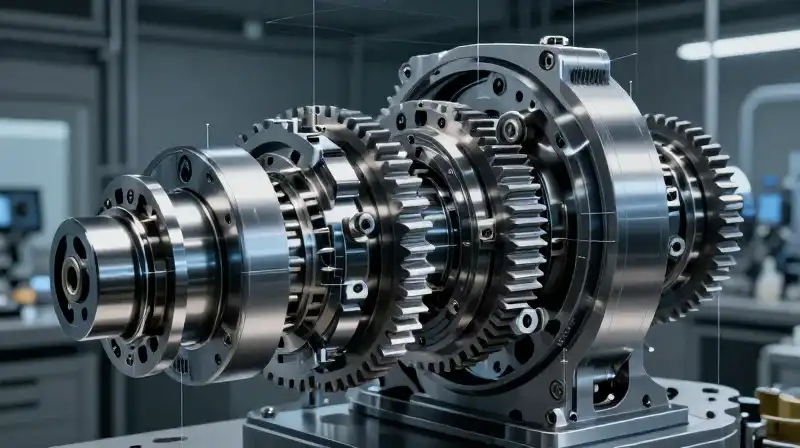
At its core, an Automated Manual Transmission (AMT) functions by using a Transmission Control Unit (TCU), which is a powerful microprocessor, to execute tasks that a human driver would perform. The system constantly monitors sensor data, including throttle input, vehicle speed, and engine RPM, to determine the optimal moment to shift gears. Unlike a manual car where the driver must coordinate the clutch pedal, the brake, and the stick shift, the AMT automates the actuation of the clutch. The process typically involves two key components:
- Actuators: These are the electro-mechanical or electro-hydraulic devices responsible for physically moving the gear selector and engaging or disengaging the clutch. Electro-hydraulic actuators often provide superior speed and torque capabilities compared to electro-mechanical units, though the latter is generally more affordable.
- Electronic Logic: The TCU acts as the brain. It manages the timing of every shift, performs rev-matching (adjusting throttle input to match the engine speed to the target gear), and ensures the clutch is smoothly engaged and released to prevent jarring movements.
Single-Disc vs. Dual-Clutch Technology
When discussing modern, high-performance robotic gearboxes, two primary architectures should be distinguished: the single-disc AMT and the Dual-Clutch Transmission (DCT).
Single-Disc Robotic Gearbox
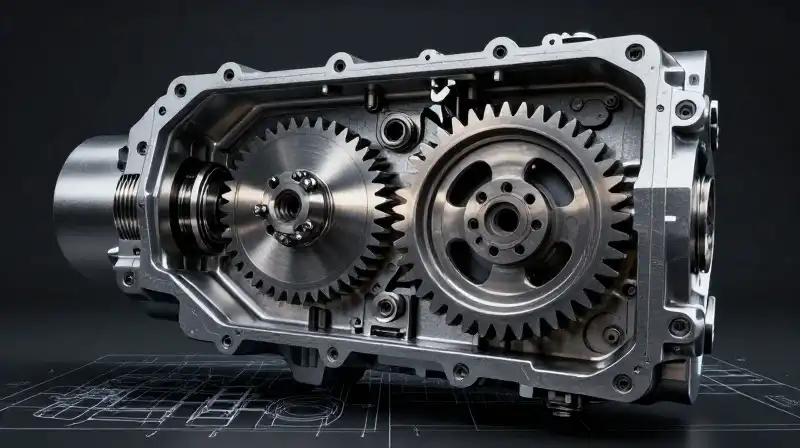
The typical AMT utilizes a single clutch, much like a standard manual transmission. When the transmission shifts, the single clutch must completely disengage, allowing the gears to mesh, and then quickly re-engage. This operation is simple to implement and robust but can lead to perceptible jerks during the shift, especially under heavy load or when starting from a standstill. These are often categorized as semi-automatic because the driver may still have input options.
Dual-Clutch Transmission (DCT)
A DCT is a more advanced and complex robotic system. Instead of one clutch, it uses two. One clutch is engaged on an even-numbered gear, while the other is engaged on an odd-numbered gear. When the system needs to shift, the computer doesn’t have to interrupt power flow or disengage the entire drive; it simply moves the engaged clutch out of the way and pre-select the next gear on the other clutch, allowing for instantaneous, near-seamless transitions. DCT systems offer the fastest shifting speeds and the smoothest driving experience, though they are also the most expensive and complex to maintain.
Robotic Gearbox vs. Traditional Automatic vs. Manual
The main confusion often lies in distinguishing the operational mechanism of these systems. Using a comparison helps clarify the fundamental differences:
| Feature | Manual Transmission | Traditional Automatic (Torque Converter) | Robotic Gearbox (AMT/DCT) |
|---|---|---|---|
| Clutch Use | Physical driver control | Fluid coupling (No physical clutch) | Automated mechanical control |
| Shifting Mechanism | Mechanical leverage (driver input) | Fluid pressure/Planetary gears | Electronic actuators/Microprocessor logic |
| Shifting Speed | Driver limited | Fluid dynamics limited | Extremely rapid (especially DCT) |
| Control Philosophy | Driver-centric | Fluid-centric | Computer-centric |
Analyzing Pros and Cons of AMT Technology
Choosing a robotic gearbox involves accepting a specific set of trade-offs. Understanding these advantages and potential disadvantages is key to making an informed purchase decision.
Advantages
- Convenience: Eliminates the need for driver focus on clutch control, making city commuting significantly less fatiguing.
- Efficiency: Automated shift points, especially in DCT designs, allow the vehicle to maintain optimal engine RPM and clutch engagement, often leading to better fuel economy than traditional automatics.
- Sportiness: Modern systems often integrate manual override capabilities (via steering wheel paddles), allowing drivers to maintain a highly engaged, “manual” driving feel while benefiting from automated assists.
- Responsiveness: In ideal conditions, automated systems react to throttle input faster and more precisely than a human driver can.
Disadvantages and Potential Limitations
- Shift Jerking: Single-disc AMTs can exhibit noticeable hesitation or abrupt jerks during the engagement phase, particularly when subjected to heavy load.
- Complexity and Cost: The reliance on sophisticated electronics, sensors, and actuators increases the inherent complexity. This often translates to higher initial cost and potentially higher long-term maintenance costs for the TCU or specific actuators.
- Smoothness at Low Speed: Starting from a standstill in ‘work’ mode may lack the effortless, fluid smoothness associated with a conventional torque converter automatic transmission.
Navigating Common Transmission Concerns
Readers frequently ask about the longevity and failure points of these sophisticated systems.
What is the biggest killer of transmissions?
For robotic gearboxes and automatics alike, the primary failure points are not always catastrophic mechanical breakdowns, but rather system failures related to control and wear. In AMTs, the “killer” risks include:
- TCU Failure: The Transmission Control Unit is the brain; if it fails, the entire automated logic collapses.
- Actuator Wear: Constant, precise mechanical movement of the actuators can lead to failure, especially if lubrication or control software is neglected.
- Clutch Wear: Like any clutch, wear occurs, though the automated system manages this wear dynamically.
Regular software updates and adherence to manufacturer-specified maintenance schedules are crucial to mitigating these risks.
Conclusion: When to Choose a Robotic Gearbox
A robotic gearbox is a sophisticated synthesis of mechanical engineering and electronic control. It functions as an optimal middle ground between the ultimate driver engagement of a pure manual transmission and the effortless fluidity of a traditional automatic transmission. The decision to opt for an AMT depends entirely on usage patterns. If spirited driving and a high degree of driver involvement are paramount, a true manual or a high-performance DCT is preferred. However, for high-volume urban driving where convenience, efficiency, and a sporty feel are needed without the cognitive load of clutch management, the AMT (robotic gearbox) offers a powerful and increasingly viable compromise. Always prioritize understanding whether your specific model uses a single or dual clutch, as this dictates the quality of the everyday driving experience.
Frequently Asked Questions
What is a robotic gearbox?
A robotic gearbox is an informal label for an Automated Manual Transmission (AMT), which is a conventional manual transmission integrated with sophisticated electronic systems. Its primary function is to automate the coordination of clutch engagement and gear selection, allowing the vehicle to behave like an automatic while retaining the fundamental mechanical structure of a manual.
What is the biggest killer of transmissions?
The primary failure points for both robotic gearboxes and automatics are system failures related to control and wear, rather than catastrophic mechanical breakdowns. In AMTs, specific killer risks include the failure of the Transmission Control Unit (TCU) and wear on the actuators.
What is a robotized manual gearbox?
A robotic gearbox is an informal term for an Automated Manual Transmission (AMT), which is a conventional manual transmission integrated with sophisticated electronic systems. Its function is to automate the coordination of clutch engagement and gear selection, allowing the vehicle to operate like an automatic while maintaining a mechanical structure.
Related Articles