
Dogbox Transmission Explained: Durability and Performance

Introduction
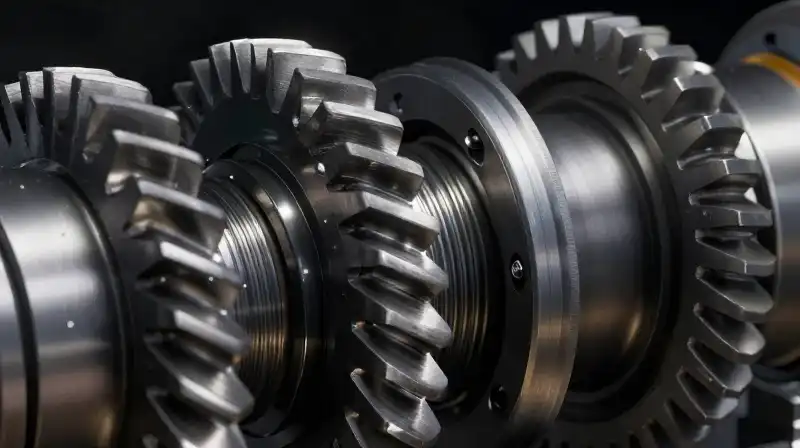
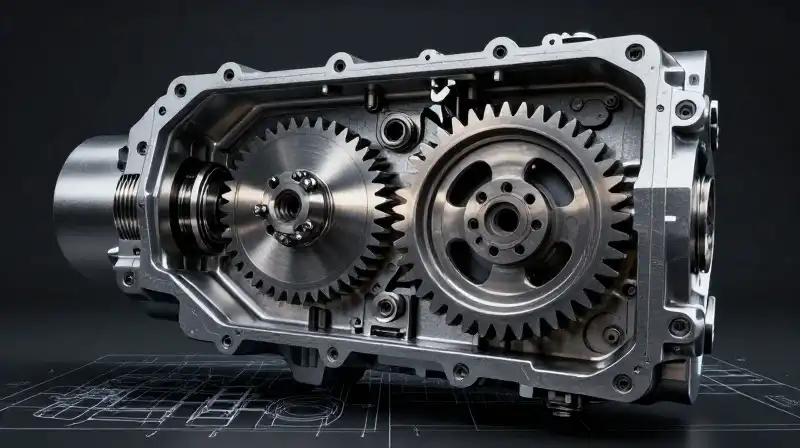
The dogbox transmission is a highly specialized piece of mechanical engineering designed for extreme durability and performance under massive stress. Unlike the standard synchromesh units found in consumer vehicles, which prioritize smooth, effortless gear transitions for passenger comfort, the dogbox is built to endure punishing conditions. It utilizes large, interlocking, “chunky” gears that must be aggressively engaged rather than eased into place. This design makes them the preferred choice for demanding applications, ranging from heavy construction and industrial hauling to high-stakes racing, where handling monstrous torque levels is paramount.
The Mechanics: Dogbox vs. Synchromesh
The fundamental difference between a dogbox and a standard transmission lies in their internal shifting architecture. Standard manuals rely on splines and synchromesh rings. Synchromesh allows gears to match speeds and slide into each other with minimal effort, creating a smooth transition. Dogboxes, conversely, reject this smooth operation.
Because dogboxes use large, aggressive intermeshing teeth, a clean transition requires the driver to forcefully engage the gears. Attempting a gentle shift often results in the gears bouncing out or not grabbing firmly. This design dictates a high degree of operational aggression to ensure firm coupling and maximum load transfer. For users seeking the robustness required for heavy loads, the uncompromising nature of the dogbox is its primary advantage over typical street transmissions.
Operating a Dogbox Transmission Effectively
Shifting a dogbox is fundamentally different from driving a conventional manual. The engagement process is deliberate and forceful, but there are several methods to successfully transition between gears without damaging the component.
While the most direct method involves a forceful engagement of the shifter, this process is not limited to always using the clutch. It is possible to shift a dogbox without a clutch, provided the driver effectively rev-matches the input shaft speed to the output shaft speed. Alternatively, simply taking the power off the throttle can sometimes manage the inertia sufficiently for a shift. The key is finding the precise moment and application of speed needed to lock the gears securely without excessive force.
Clutch Usage and Engagement
In practice, the driver maintains discretionary control over clutch usage. The clutch serves as a tool for finer control—often used for the initial, precise engagement of specific gears or for managing high-level, high-speed shifts. It does not need to be used for every single gear change, but its availability allows for perfect control in complex operating environments.
Performance in High-Stress Environments
Dogbox transmissions are engineered to survive abuses that would instantly destroy a standard unit. This makes them indispensable in specific performance and utility contexts.
In industrial and hauling equipment, their strength allows them to handle continuous operation under intense torque loads. When moving into racing, specialized versions like the G-Force GSR represent a shift towards precision and high-speed performance. For instance, the G-Force GSR, a high-performance 4-speed racing transmission, utilizes a single-rail and internally shifted design. Its construction includes a dual bearing center support, an internal mid-plate for structural rigidity, and a dedicated internal oil pump to ensure flawless operational integrity under extreme RPM and load.
For highly customized applications, such as those requiring specific fits for certain engine bell housings (e.g., Toyota V160 style), custom input shafts can be ordered, providing a level of adaptability unavailable in off-the-shelf units.
Addressing Common User Concerns
When evaluating a dogbox transmission—whether buying a replacement or considering a new setup—several practical concerns arise.
Is a Dog Box Transmission Street Legal?
Legality is highly dependent on regional laws and specific usage. Dogboxes are highly specialized components. If integrated into a commercial vehicle designed for heavy industrial use, they are generally compliant within their operational context. However, when used on specialized or modified consumer vehicles for street driving, additional regulations and safety certifications apply. Drivers must adhere strictly to local road traffic laws. The extreme mechanical nature of the gearbox requires that the vehicle itself meet all required safety and inspection standards.
Can You Daily Drive a Dog Box Transmission?
Yes, daily driving is possible, but it requires a transmission built with appropriate internal features for sustained operation. High-performance versions, like the G-Force GSR, are specifically designed for robustness and can sustain heavy use. However, the extreme forces inherent in shifting a dogbox mean that any daily use must prioritize smooth, controlled engagement over aggressive, forceful slams to extend its operational life.
What Is the Lifespan and Average Cost?
The lifespan of a dogbox transmission is entirely dependent on how it is used. Because they are designed to absorb punishment, they can last an extraordinary amount of time in harsh environments. Conversely, inappropriate, forceful, or continuous abuse will lead to rapid failure. Costs are highly variable. A custom or specialized unit (such as a G-Force GSR) commands a price reflective of its high-performance design and precision engineering. Replacement costs should be viewed through the lens of reliability and application; the cost of the gearbox itself must be weighed against the operational needs of the vehicle.
Practical Considerations for Operation and Maintenance
Using a dogbox transmission successfully demands both mechanical understanding and careful operational habits.
Because of the specialized 32-spline output shaft found in high-power units, compatibility requires specific specialized components, such as hardened slip yokes for the drive shaft connection. To manage these requirements, drivers should focus on proper maintenance, including utilizing the specific internal lubrication designed for the unit.
When choosing a dogbox for a specific application, consider these criteria:
- Performance Requirement: Do you need maximum torque handling (hauling) or high-speed, aggressive gear changes (racing)?
- Clutch Preference: Do you require a specific clutch setup (e.g., dual-pressure or specific release types) that complements the aggressive shifting style?
- Custom Fit: Is the unit designed to integrate seamlessly with your existing drivetrain, requiring custom input shafts or housing adjustments?
Synthesis: Choosing the Right Dogbox Application
A dogbox transmission is not a universal replacement for a standard manual gearbox; it is a specialized tool for high-stress scenarios. If your priority is daily commuting and smooth transitions, the standard synchromesh gearbox is likely superior. However, if your application requires a component capable of sustaining extreme torque, enduring relentless abuse, and delivering uncompromising mechanical strength, the dogbox is the definitive choice. Successful operation relies on respecting its mechanical nature—treating it not as a delicate system to be eased, but as an immensely powerful unit requiring firm and deliberate engagement.
Frequently Asked Questions
What is the lifespan of a dog box transmission?
The lifespan of a dogbox transmission is entirely dependent on how it is used, as they can last an extraordinary amount of time in harsh environments. Conversely, inappropriate, forceful, or continuous abuse will lead to rapid failure.
Is a dog box transmission street legal?
Legality is highly dependent on regional laws and specific usage. When used on specialized or modified consumer vehicles for street driving, additional regulations and safety certifications apply, and drivers must adhere strictly to local road traffic laws.
Can you daily drive a dog box transmission?
Yes, daily driving is possible, provided the transmission has appropriate internal features for sustained operation and is built for robustness. However, daily use requires prioritizing smooth, controlled engagement over aggressive, forceful shifts to extend its operational life.
What is the average cost of a dog box?
Costs for a dog box are highly variable, and a custom or specialized unit commands a price reflective of its high-performance design and precision engineering. Replacement costs must be weighed against the operational needs and reliability of the vehicle.
How to Operate a Dogbox Transmission Successfully
Determine Operational Needs
Identify whether the application requires maximum torque handling for hauling or high-speed, aggressive gear changes for racing.
Select Engagement Method
Choose between using the clutch for precise control, managing high-speed shifts, or shifting without a clutch by effectively rev-matching the input shaft to the output shaft speed.
Execute the Shift
Engage the gears deliberately and forcefully to ensure firm coupling and maximum load transfer, avoiding gentle shifts that may cause the gears to bounce or not grab.
Prioritize Driving Habits
If used for daily driving, prioritize smooth and controlled engagement over aggressive, forceful slams to maximize the transmission's operational life.
Maintain the Component
Ensure proper maintenance is performed, including utilizing the specific internal lubrication designed for the dogbox unit.
Related Articles