
Coupe vs Roadster: Seating Capacity and Design Differences

Introduction
The terms coupe, roadster, and convertible are often used interchangeably, leading many drivers to assume they mean the same thing. While all three body styles relate to sports car design, they represent distinct choices in terms of passenger capacity, structural design, and the desired driving experience. The fundamental distinction lies in seating arrangements and the integration of an open-air environment.
The primary differentiator between a coupe and a roadster is seating capacity; a coupe offers the potential for a rear seat and an enclosed structure, while the roadster focuses exclusively on a two-seater, open, and minimalist layout. Understanding these nuances is crucial for selecting a vehicle that aligns with how you intend to drive.
Coupe Defined: Enclosed Comfort and Utility
A coupe is generally characterized as a two-door vehicle with an enclosed body. Its design prioritizes a blend of performance and usable space. While many modern coupes are styled with two doors, the defining feature that sets them apart from a roadster is the integration of a rear passenger area, which typically accommodates two individuals.
Structurally, a coupe maintains an enclosed cabin at all times. This design provides a degree of wind and weather protection that defines the experience. Whether the coupe features a solid metal roof or a retractable hard-top, the space is sealed, providing a more conventional and practical environment for four or more occupants on longer trips, although the two-door setup typically restricts overall passenger utility.
- Seating Focus: Two front seats plus a rear seat (often 2 or 2+2).
- Body Structure: Enclosed cabin with a solid roof mechanism.
- Experience: Enclosed comfort combined with sporty handling.
Roadster Defined: Minimalist Open-Air Experience
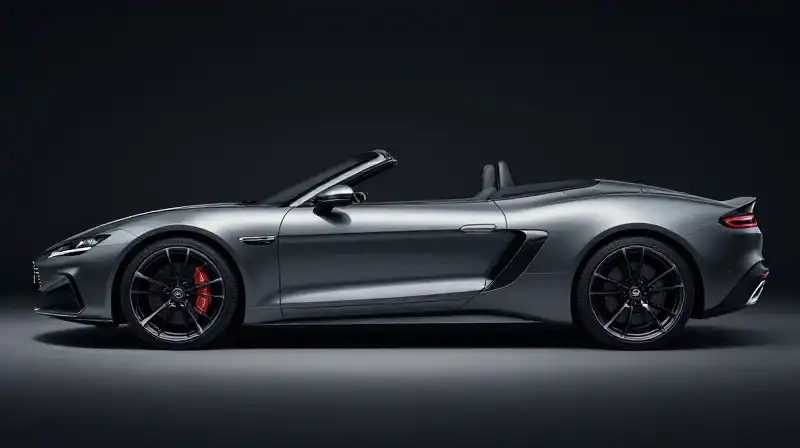
The roadster embodies the purest form of the open-top driving enthusiast’s vehicle. Defined as a two-door, two-seater car, the roadster’s design is entirely focused on maximizing the connection between the driver and the road, often at the expense of rear passenger seating.
The defining feature of a traditional roadster is its lightweight, minimalist approach. It emphasizes the sensory experience of driving—the sound of the engine, the feel of the wind—which mandates an open or easily removable roof mechanism. While some classic interpretations of the roadster include a removable hard-top, the modern definition generally centers on its two-seat configuration and sporty, unrestrained feel. This style is consistently positioned as a premium “convertible” in its own right.
Note that while roadsters are traditionally two-door, the term is often used broadly by enthusiasts to describe any highly sporty, open-top two-seater, frequently encompassing models that use convertible roof technology.
Key Design Differences: Seating and Structure
The core difference between a coupe vs roadster is rooted in seating functionality and the resulting structural design. While both body styles commonly use a two-door entry to achieve a sleek, sporty profile, they handle passenger capacity drastically differently.
A comparison helps clarify these distinctions:
| Feature | Coupe | Roadster |
|---|---|---|
| Seating Capacity | Typically 4+ (Rear seat present) | Strictly 2 (Two-seater) |
| Cabin Enclosure | Fully enclosed (solid roof) | Open air or removable roof |
| Primary Design Goal | Balance of style and practical enclosed comfort | Minimalist, visceral, open-air driving experience |
| General Use Scenario | Daily sporty use, trips where rear comfort matters | Leisure, weekend cruising, track days |
Is a coupe a woman’s car?
The notion that a coupe is a woman’s car is a common stereotype rooted in cultural perceptions of design, but it has no basis in mechanical specifications or intended use. Coupes, like all car types, are used across all demographics. Their appeal lies in their blend of style and enclosed comfort, which is why they are frequently chosen by those who appreciate a sophisticated aesthetic and driver-focused performance.
Beyond the Basics: Understanding Convertible, Spyder, and Roadster
Confusions often arise when the terms roadster, coupe, and convertible overlap. To navigate these variations, it is essential to understand the functional limits of each term.
The term convertible is the most broad, referring specifically to the mechanism’s ability to remove or retract the roof entirely. It describes the function rather than the seating capacity.
Here is how the terms relate:
- Coupe: Always enclosed; typically has a rear seat.
- Roadster: Usually two seats; usually open or convertible; focuses on open-air feel.
- Convertible: Describes the roof mechanism; can apply to any body style, including convertibles with rear seats.
- Spyder: This term is often used interchangeably with roadster, particularly by enthusiasts, to describe an open-top vehicle with a sporty demeanor.
A convertible with a rear seat would technically be an open-top coupe, while a roadster, by definition, generally lacks that rear seating.
Practical Decision Criteria: Selecting Your Body Style
When weighing the options between a coupe and a roadster, the decision depends entirely on your priority—are you prioritizing structural enclosed safety and rear passenger access, or an uncompromising open-air sensory experience?
Consider these factors when making your choice:
- Daily Commuting vs. Weekend Cruising: If you need predictable, sealed comfort for daily use, the enclosure of a coupe is advantageous. If the goal is pure leisure and open-air enjoyment, the roadster excels.
- Passenger Needs: If you regularly carry two passengers and require protection from the elements, the rear seat of a coupe is a necessity. If the car is strictly for a two-person experience, the minimalist roadster is sufficient.
- Driving Immersion: Roadsters are engineered to maximize driver feedback and connection to the environment. Coupes offer a sporty feel but within a protective shell, balancing performance with practical utility.
Synthesis: Practical Warnings for Buyers
Before committing to either design, it is important to recognize that both body styles are subject to the limitations of performance. A coupe with a large enclosed body might be heavier than a comparable roadster, potentially impacting agility. Conversely, a roadster’s light weight is offset by the vulnerability of the cabin; severe weather or high-speed driving requires more vigilance in these minimalist vehicles.
Choosing the right car involves balancing the inherent trade-offs: the practicality and refined enclosure of the coupe versus the visceral, uncompromising freedom of the roadster. Both styles remain exceptional choices for enthusiasts, depending on which aspect of the driving experience holds greater value for you.
Frequently Asked Questions
Is a coupe a woman's car?
The notion that a coupe is a woman’s car is a common stereotype rooted in cultural perceptions of design, but it has no basis in mechanical specifications or intended use. Coupes are used across all demographics, appealing to those who appreciate style and enclosed comfort.
How to Select a Car Body Style (Coupe vs. Roadster)
Evaluate Usage Frequency
Determine if the vehicle will be used for daily commuting (favor enclosed comfort like a coupe) or purely for weekend leisure and open-air enjoyment (favor a roadster).
Define Passenger Capacity
Assess seating requirements; if you regularly need protection from the elements for multiple passengers, consider the coupe's rear seat. If the car is strictly for two people, the minimalist roadster is sufficient.
Determine Driving Priorities
Decide whether you prioritize structural safety and practicality (coupe) or a visceral, uncompromising connection to the environment and open-air experience (roadster).
Related Articles