

Can You Wash a Suit Jacket? A Guide to Home Cleaning

Introduction
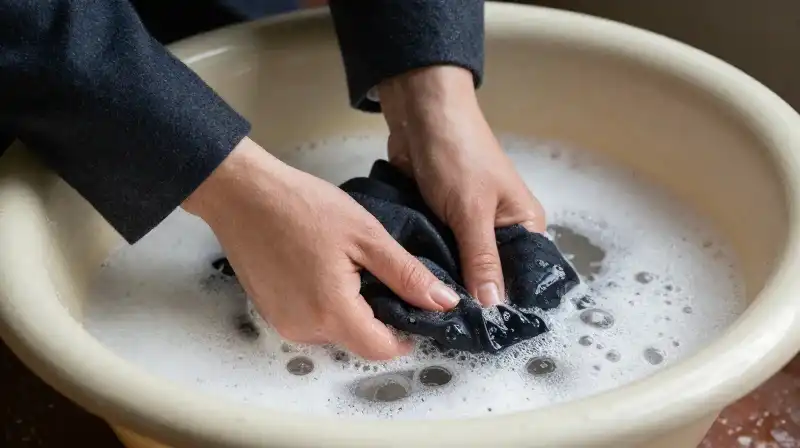
The question of whether you can safely wash a suit jacket at home is complex, with the answer depending entirely on the suit’s composition, structure, and the level of care you are willing to provide. For most formal, structured suits—especially those made of wool or containing heavy internal padding—the definitive answer is no; professional dry cleaning is the safest approach. However, if your suit is constructed from light, unlined fabrics like cotton or linen, a gentle home wash is possible, provided you adhere to strict protocols to preserve the garment’s form and prevent irreversible damage.
Before attempting any washing, it is crucial to examine the care label. This label provides the manufacturer’s explicit instructions. Ignoring these directives is the fastest way to compromise the suit’s fit, shape, and longevity. If the tag specifies “Dry Clean Only,” that instruction must be respected to protect the internal linings and specialized structural components.
Understanding the Structural Risks of Suit Washing
A suit is not just a piece of cloth; it is an engineered garment. Its shape and fit rely heavily on internal elements, such as canvas, fusible interfacing, and shoulder pads. Standard washing machine cycles introduce agitation and moisture that can severely compromise these elements. These materials are designed to maintain a certain structure, and aggressive cycles can degrade them, leading to warped shoulders, lost fit, and premature wear.
The most significant structural risks associated with home washing include:
- Shrinkage and Felting: Wool is highly susceptible to felting and aggressive shrinkage when exposed to high heat and powerful agitation. This damage is often permanent.
- Internal Material Degradation: Heat and moisture can cause glued components (like interfacing) to weaken, detach, or melt, leading to structural failure.
- Seam and Fabric Fracture: High agitation can strain delicate seams or cause the shell fabric—particularly where different materials are sewn together—to fracture.
Fabric and Structure: A Decision Guide for Washing
The safety of your suit during home washing depends overwhelmingly on its construction. Use this guide to determine if your suit falls into the category of wash-friendly or requires professional care.
Generally Safe (Delicate/Cold Wash Recommended)
Suits made from lightweight, unlined, and durable fibers often tolerate gentle machine washing. These suits are typically more resilient to structural deformation and are generally suitable for a hand wash or an extremely delicate machine cycle.
- Cotton: Suitable for gentle washing.
- Linen: Lightweight and resilient, though requires careful drying to maintain its unique texture.
- Light Polyester Blends: Often used in modern, unstructured suits and may be machine washable.
Requires Professional Dry Cleaning
These materials contain elements that are highly sensitive to water, heat, and agitation, necessitating the expertise of a dry cleaner who uses specialized front loaders and chemical solvents instead of water.
- Wool (especially heavy wool): Prone to felting and shrinking; almost always requires professional care.
- Silk and Velvet: Highly delicate fabrics that are easily damaged by water and mechanical action.
- Heavily Structured Suits: Any suit with significant canvas, heavy padding, or elaborate linings is too complex for home washing.
If You Choose to Home Wash: The Protocol
If your suit is identified as light and unstructured, follow this protocol meticulously. These steps are designed to mimic the gentle handling of professional cleaning while minimizing the risks of agitation and heat damage.
- Preparation: Empty all pockets completely. Turn the jacket and trousers inside out. Secure any delicate parts, such as lapels, with safety pins.
- Protective Washing: Place the suit inside a mesh laundry bag to prevent snagging against the machine drum.
- Machine Settings: Use only the “Delicate” or “Gentle” cycle. Always use cold water to prevent color fading, shrinkage, and setting stains.
- Detergent: Use a mild detergent formulated for delicate fabrics.
- Drying and Shaping: Never use a machine dryer. Remove the suit immediately after the cycle. Lay the garment flat on a towel or hang it in a well-ventilated area, meticulously shaping the jacket while it dries. Using a dedicated shaping hanger is highly recommended to maintain the original silhouette.
- De-wrinkling: Use professional-grade steam pressing or carefully iron with a pressing cloth to remove wrinkles.
Managing Specific Garment Scenarios
Handling specific items requires specialized advice, as a suit is often composed of multiple parts.
Washing a Three-Piece Suit
When dealing with a three-piece suit (jacket, trousers, waistcoat/vest), the safest practice is to treat each piece according to its material. The trousers are generally less structurally vulnerable than the jacket and are often safer candidates for a gentle machine wash, provided they are not heavily lined. The jacket and waistcoat, however, should be scrutinized. If they contain any form of padding or heavy internal canvas, they should be dry cleaned. If you must wash them at home, ensure they are completely unlined.
The “Dry Clean Only” Exception
A “Dry Clean Only” symbol is not a suggestion; it is a critical warning. This symbol indicates that the garment contains materials or construction that are chemically or structurally vulnerable to water. Attempting to wash a suit jacket or trousers marked this way will almost certainly result in structural degradation, internal lining failure, or irreversible color bleeding. For these items, specialized spot cleaning and professional pressing are the recommended maintenance methods.
Final Synthesis: Best Practices for Longevity
The objective of home garment care is preservation. Attempting to wash a formal suit is a high-risk, high-reward activity. The most practical and effective method for maintaining the integrity of expensive or heavily tailored suits is to wash them sparingly—typically only when they are visibly soiled after multiple wears.
If you are determined to maintain the suit yourself, always prioritize cold water, delicate cycles, and proper shaping during the drying phase. However, for anything involving heavy wool, lining, or intricate construction, the investment in professional dry cleaning provides a level of care and specialized maintenance that cannot be replicated at home.
Frequently Asked Questions
Is there a way to wash a suit without dry cleaning?
A gentle home wash is possible if the suit is constructed from lightweight, unlined fabrics such as cotton or linen. For most formal, structured suits made of wool or containing heavy internal padding, however, professional dry cleaning is the safest approach.
How to wash a 3 piece suit at home?
The safest practice for a three-piece suit is to treat each piece according to its material. Trousers are often safer candidates for a gentle machine wash if they are not heavily lined, but the jacket and waistcoat should only be home-washed if they are completely unlined.
Home Washing Protocol for Unlined Suits
Preparation
Empty all pockets completely. Turn the jacket and trousers inside out. Secure any delicate parts, such as lapels, with safety pins.
Protective Washing
Place the suit inside a mesh laundry bag to prevent snagging against the machine drum.
Machine Settings
Use only the "Delicate" or "Gentle" cycle. Always use cold water to prevent color fading, shrinkage, and setting stains.
Detergent
Use a mild detergent formulated for delicate fabrics.
Drying and Shaping
Never use a machine dryer. Remove the suit immediately after the cycle. Lay the garment flat on a towel or hang it in a well-ventilated area, meticulously shaping the jacket while it dries. Using a dedicated shaping hanger is highly recommended to maintain the original silhouette.
De-wrinkling
Use professional-grade steam pressing or carefully iron with a pressing cloth to remove wrinkles.
Related Articles