

Mousse vs Pomade: Which Hair Product Wins for Hold and Texture?

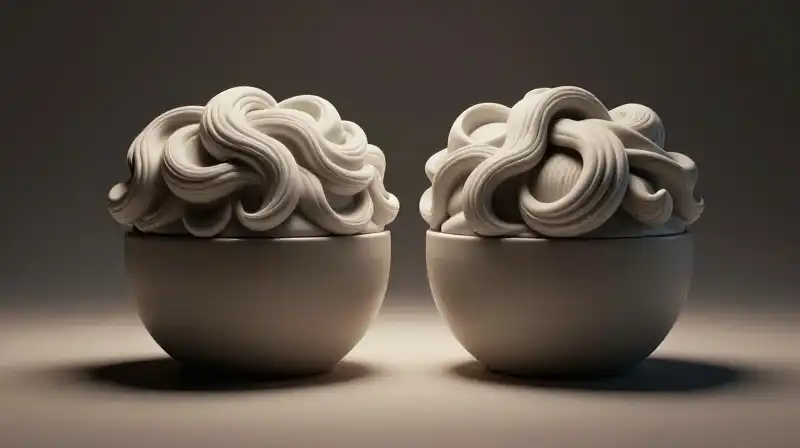
Introduction When considering products to improve hair styling, the choice between mousse and pomade usually comes down to a fundamental difference in goals: volume and lift versus texture and structure. While both products are used to enhance hair, they operate on completely different principles and yield distinct visual outcomes. Mousse is designed to add substantial, airy volume, making it the ideal choice for those seeking lift, especially for fine or flat hair. Conversely, pomade focuses on sculpting and adding distinct texture, offering a more defined and flexible hold. Deciding which is “better” is entirely dependent on the desired hairstyle and hair type; it is a matter of balancing structure, finish, and enduring style.
Defining the Difference: Mousse vs. Pomade To understand the competition, it’s necessary to grasp the formulation and primary function of each product.
Mousse: The Volume Catalyst
Hair mousse is an airy, foaming product formulated to deliver lift and a thicker, denser appearance. Its primary function is to create volume at the root and throughout the lengths without adding significant stiffness. Mousse works by thickening the hair from the inside out. It typically provides a soft, light-to-moderate hold, ensuring that the hair maintains its loft and “tousled” look. Because it is designed for volume, mousse generally offers a lightweight, non-greasy, and moderate finish.
Pomade: The Sculpting Agent
Pomade is a thick, waxy, or oil-based product designed to add structure and a specific texture to the hair. Its purpose is not primarily to inflate the hair, but to define it. Pomades come in various formulations (water-based, oil-based), affecting the final look. They provide a flexible yet strong hold that allows the hair to be actively sculpted and restyled, even after application. Unlike mousse, pomade enhances the *form* of the style, often resulting in a shiny, defined, or deeply textured finish.
Key Comparison: Mousse vs. Pomade Head-to-Head The functional differences between these products are best understood through a direct comparison of their core attributes:
| Feature | Hair Mousse | Pomade |
|---|---|---|
| Primary Goal | Adding volume and lift (Thickening) | Adding texture and definition (Sculpting) |
| Type of Hold | Light to Moderate, soft structure | Flexible to Strong, defined structure |
| Ideal Finish | Moderate, lightweight, natural | High shine or deep, matte texture (depending on formula) |
| Best Used For | Fine, flat, or curly hair needing lift | Any hair type needing definition and sculpt |
| Application | Applied to damp roots before drying | Applied to dry or damp hair for styling and sculpting |
Choosing the Right Product: A Guide by Hair Need The decision between mousse and pomade should be guided by your hair type and the specific look you are aiming for:
For Maximum Volume and Loft (Fine or Wavy Hair)
If your main struggle is flat hair or if you have fine, silky hair that lacks body, **Mousse** is the clear winner. Mousse is lightweight; it adds density and lifts the hair from the scalp without the heavy, weighed-down feeling of waxy products. It allows your natural texture to thrive while giving it a voluminous, tousled appearance. It is the preferred option for adding lift to hair that needs body without structural stiffness.
For Defined Texture and Formal Control (All Hair Types)
If you want to execute a sleek, sharp cut, or if your hair is too unruly and requires strong, defined waves or “piece-by-piece” styling, **Pomade** is the choice. Pomade provides the flexible hold necessary for sculpting. * **For a sleek look:** Use water-based pomades to achieve a high-shine, defined style. * **For a matte, textured look:** Use matte or clay-style pomades to enhance natural texture without excessive shine.
Handling Humidity and Strong Elements
When dealing with windy conditions or high humidity, the formulation matters. While many products wash out, water-based pomades can resist frizz and hold up well. For extreme structure that needs maximum resistance (even if it compromises volume), gels are often the strongest alternative to pomade, locking the style rigidly in place. However, if you prioritize flexibility and a natural look, a high-quality pomade with oil or wax elements will offer reliable, enduring resistance.
Addressing Common Questions (Mousse vs Pomade)
Is Hair Mousse Better Than Pomade?
Neither product is inherently “better.” They fulfill opposite styling functions. If your goal is casual, messy volume for a voluminous aesthetic, mousse is superior. If your goal is a defined, sharp hairstyle that requires product to hold the shape and texture, pomade is the better choice. They are complementary; you can even use both—a light mousse for root lift, followed by a minimal pomade for tip definition.
Who Should Not Use Mousse?
Generally, people with extremely thick, coarse, or highly structured hair may find mousse less effective at adding *structure*, though it may still help with root volume. People who desire a very stiff, “frozen” hold often find that Mousse’s light, airy hold is insufficient compared to the firm rigidity provided by strong styling gels.
Practical Application and Maintenance
Successful styling depends heavily on technique. Starting with a small amount of product is critical to avoid a greasy or lumpy finish.
- Application for Mousse: Apply to damp hair at the root, distributing the foam evenly and tilting the head up to encourage lift before blow-drying.
- Application for Pomade: For definition, warm the pomade thoroughly between your palms until it emulsifies, then work it into dry or damp sections of hair to build texture and guide the shape.
Remember that while most styling products are designed to be easily rinsed out with shampoo, persistent use of heavy, oil-based pomades requires thorough washing to prevent scalp buildup and hair dullness.
Frequently Asked Questions
Is hair mousse better than pomade?
Neither product is inherently better, as they fulfill opposite styling functions. Mousse is superior for achieving casual, messy volume, while pomade is the better choice for a defined, sharp hairstyle that requires product to hold shape and texture.
Who should not use mousse?
People with extremely thick, coarse, or highly structured hair may find mousse less effective at adding structure. Additionally, those who desire a very stiff, frozen hold often find Mousses light, airy hold insufficient compared to strong styling gels.
How to apply and style hair with mousse or pomade
Prepare the product
For mousse, ensure you have damp hair. For pomade, warm the product thoroughly between your palms until it emulsifies.
Apply the product
Apply the mousse to the roots of your hair, distributing the foam evenly, or work the pomade into dry or damp sections of hair to build texture and guide the shape.
Encourage lift (Mousse specific)
If using mousse, tilt your head up to encourage lift before blow-drying.
Style and set (Pomade specific)
For pomade, use the product to define the hair's shape and texture to create the desired style.
Maintenance
Ensure thorough washing to prevent scalp buildup, especially when using heavy, oil-based pomades.
Related Articles