
What a Wedding Officiant Does: Duties, Legal Roles, and Planning


Introduction
A wedding officiant is far more than simply the person who reads the vows; they hold the crucial dual role of ceremonial host and legal authority. Their fundamental duty is to conduct the marriage ceremony while ensuring that the union is legally valid and recognized by the governing bodies of the jurisdiction. In essence, the officiant manages the bridge between a personal commitment and a legal contract. Understanding what a wedding officiant does involves examining three core areas: their legal duties, their preparation with the couple, and their execution of the ceremony.
Legal and Regulatory Responsibilities
The primary legal function of the officiant is to validate the marriage. This is accomplished through the official completion and signing of the marriage license. Without the proper signing and filing of this document, the wedding, however beautiful the ceremony, does not hold legal standing.
To legally perform this function, an individual must be properly authorized. The requirements for being a recognized marriage officiant are strictly determined by the laws of the specific county or state where the wedding takes place. This often necessitates one of two paths:
- Traditional Ordination: Being recognized by a recognized religious body (such as a priest, rabbi, or minister) that grants the authority to perform the rite.
- Civil/Secular Authorization: Being certified by a government entity, such as a justice of the peace, or being granted modern, non-denominational authorization that allows them to legally officiate in that specific jurisdiction.
Because legal statutes vary significantly, an essential preliminary duty of the professional officiant is to research and adhere strictly to the specific requirements of the location. They must confirm that all paperwork is correctly filed and subsequently ensure the signed marriage license is promptly mailed back to the relevant county clerk to finalize the marriage record.
Pre-Ceremony Duties: Planning and Coordination
The work of an officiant begins long before the wedding day. They act as a consultant and coordinator to ensure the ceremony reflects the couple’s personal story and tone. This preparatory phase is critical for creating a personalized and meaningful event.
Key planning responsibilities include:
- Consultation: Meeting with the couple to define the ceremony’s desired tone, theme, and traditions. This process involves understanding their relationship history, personal values, and preferred cultural or spiritual elements.
- Script Crafting: Writing or adapting the ceremony content. This allows the officiant to move beyond a rigid, scripted format to create a unique address that truly reflects the couple’s unique journey.
- Logistics and Rehearsals: Facilitating the ceremony rehearsal to ensure the wedding party understands their roles and movements. They also coordinate necessary elements, such as appropriate attire and required props.
In some cases, a couple may choose to officiate themselves, but if they use a friend or family member, they must still verify that the relevant state accepts their role and that the individual has secured the necessary local ordination or authorization.
Executing the Ceremony and Formal Pronouncement
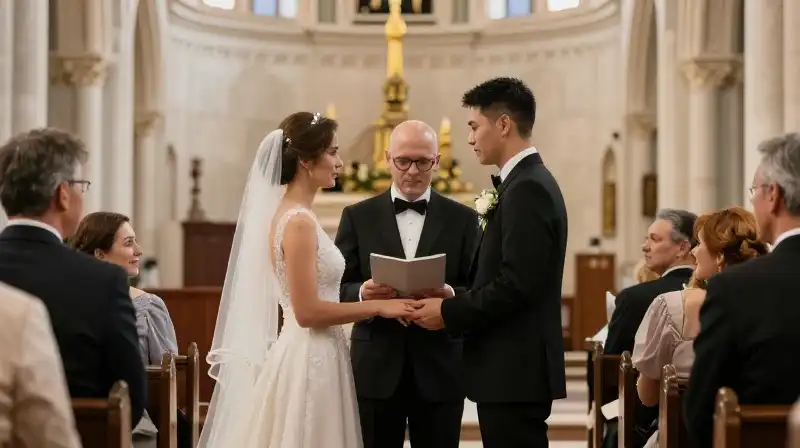
During the actual wedding, the officiant is the central figure, guiding the event from start to finish. Their role is defined by specific, ritualistic duties that lead to the final legal pronouncement.
The core execution involves:
- The Introductory Speech: Setting the tone and addressing the assembled guests, often providing a welcoming or inspirational message.
- Leading the Ritual: Facilitating the exchange of vows and the exchange of rings, managing the flow of the ceremony to ensure emotional resonance and smooth transitions.
- The Declaration of Intent: Ensuring the couple formally declares their intentions to be married, which is a standard legal requirement in most jurisdictions.
- The Final Pronouncement: This is the climactic moment where the officiant officially declares the couple married, completing the ritual and satisfying the ceremonial requirement.
Differentiating Officiant Types and Scope
Not all officiants perform the same functions. It is helpful to differentiate between types of officiants based on their source of authority and the ceremony they lead:
- Religious Officiants: These are individuals like priests, rabbis, or ministers who base their ceremony on specific religious doctrines and traditions.
- Civil Officiants: These typically include judges or justices of the peace. Their primary focus is strict legal compliance, ensuring the ceremony is legally recognized by the state.
- Non-Denominational/Secular Officiants: These officiants provide maximum flexibility. They tailor the ceremony to be entirely secular, spiritual, or a thoughtful blend of both, provided they hold the required legal authority in the region.
Addressing Practical Concerns: Cost and Duties
Understanding the practical dimensions of the role can help couples budget and plan effectively. While the core duties remain constant, the compensation and scope of service vary widely.
Payment and Pricing: Wedding officiant salaries and fees are highly dependent on several factors: geographic location, the complexity of the desired ceremony, and the officiant’s experience. Prices vary, meaning couples should anticipate different investment levels depending on whether they hire a professional, a friend, or a civil official.
Related Duties (The Funeral Context): While the ceremonial duties of a wedding officiant are unique to the marriage rite, their foundational function—acting as a guide and authorized speaker—is similar to that of a funeral officiant. In both scenarios, the individual guides the service, provides meaning, and performs the necessary cultural or spiritual ritual, but in a wedding, the final, mandatory duty is the execution of a legal license.
Final Checklist: Navigating the Process
For couples planning their wedding, the most important action is to prioritize legal due diligence before committing to a ceremony. Do not assume that a heartfelt, beautiful ceremony automatically makes the marriage valid.
To ensure a seamless process, always verify the following:
- Legal Authority: Confirm that the officiant is legally authorized to perform the marriage in your exact county/state.
- Paperwork Management: Establish a clear timeline for the completion and mailing of the signed marriage license.
- Vision Alignment: Dedicate adequate time for consultations to ensure the officiant’s style and the ceremony’s script align perfectly with the couple’s desired tone.
Frequently Asked Questions
What are the duties of an officiant at a wedding?
The officiant acts as both a ceremonial host and legal authority, guiding the personalized ceremony and ensuring the union is valid. Their duties encompass consulting with the couple, creating the ceremonys script, executing the final pronouncement, and ensuring the marriage license is properly signed and filed.
How much are officiants paid?
Officiant salaries and fees vary widely, depending on the geographic location, the complexity of the desired ceremony, and the officiants experience. Couples should anticipate different investment levels depending on whether they hire a professional, a friend, or a civil official.
How to Ensure a Legally Valid Wedding Ceremony
Verify Legal Authority
Confirm that the chosen officiant is legally authorized to perform the marriage in your exact county or state.
Adhere to Local Requirements
Research and strictly adhere to the specific legal statutes and requirements of the location, whether through traditional ordination or civil authorization.
Establish Paperwork Management
Establish a clear timeline and process for the completion and prompt mailing of the signed marriage license back to the relevant county clerk.
Align on Vision and Tone
Dedicate adequate time for pre-ceremony consultations to ensure the officiant’s style and the ceremony’s script align perfectly with the couple's desired tone and personal story.
Related Articles