

Audio Mixer: What It Does and How It Blends Sound

Introduction
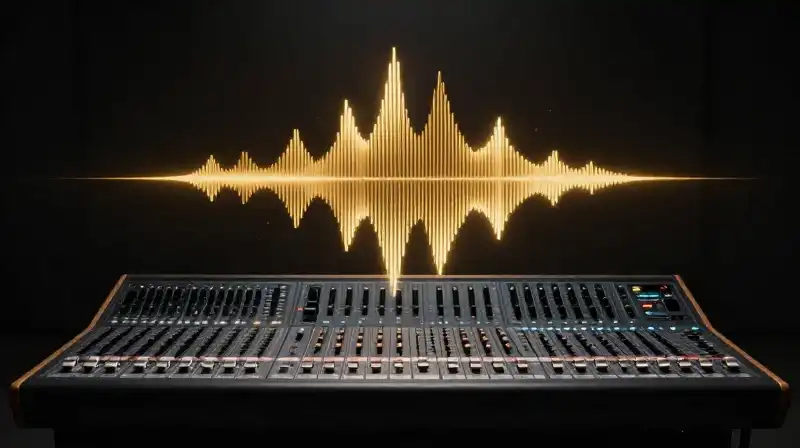
An audio mixer, often called a mixing console, serves as the central control hub for aggregating and processing multiple incoming audio signals. Its fundamental function is not merely to increase volume, but to intelligently manage, shape, and combine various distinct sound sources—whether they are musical instruments, vocals, or recorded effects—into a single, cohesive, and balanced output stream.
In the world of sound, the mixer acts as the circulatory system: signals enter the device from numerous sources and are routed, balanced, and refined before being distributed to speakers or recording devices. Understanding what a mixer does means understanding the precise control it gives the operator over the quality and spatial relationship of every single element in the final soundscape.
The Primary Functions of an Audio Mixer
To determine what a mixer does, one must look at its three core functions: aggregation, processing, and distribution. It serves as the point where discrete audio tracks become a unified whole.
Signal Aggregation and Routing
The most basic role of the mixer is collection. It provides input channels—physical connection points—for every sound source. These channels accept signals from microphones, synthesizers, instruments (like drums or guitars), and playback devices. The mixer’s internal circuitry allows the user to designate where each signal goes. This is known as routing.
- Input: Accepting raw signals from diverse audio sources.
- Processing: Applying adjustments (like EQ) to the signals.
- Output: Sending the unified, processed signal to the destination (e.g., main speakers, headphones, or a recording interface).
Precision Level Balancing (Gain and Faders)
If aggregation is collection, balancing is management. The central job of an audio mixer is to ensure that no single signal overwhelms the listener, nor is any signal buried in the mix. This is achieved using two primary tools:
- Gain Controls: These knobs set the initial, raw volume level of an incoming signal as it enters the mixer.
- Faders: These vertical sliders control the final output level of that specific channel. By adjusting faders, the operator dictates the relative importance or loudness of each element against the others (e.g., making sure the vocals are audible over the instruments).
Tonal and Spatial Shaping: The Core of Audio Design
A sophisticated mixer goes far beyond mere volume control; it actively shapes the sound character of each signal using built-in processing. These features transform the raw, unedited audio into the desired artistic expression.
Equalization (EQ): Controlling Tone
EQ allows the user to manipulate the tonal balance of a signal by boosting or cutting specific frequency ranges. This is critical for clarity and preventing muddiness.
EQ is typically divided into three key areas:
- Bass (Low Frequencies): Adding depth, warmth, or thump. Too much can sound boomy; too little can sound thin.
- Mids (Mid Frequencies): Where most instrumental and vocal presence lives. Too much can cause a “honky” or congested sound.
- Treble (High Frequencies): Adding crispness, sparkle, and air. Too much can sound harsh or sibilant.
Dynamic Range and Effects: Shaping Character
To unify disparate sounds and enhance emotion, mixers incorporate dynamic processing and effects:
- Compression: This mechanism reduces the difference between the loudest peaks and the quietest parts of a signal. This keeps the overall sound consistently loud and punchier without distorting the speaker.
- Panning: This determines the stereo placement of a sound. By panning, the engineer can move a sound from the far left channel, across the center, or to the far right, creating a sense of spatial width and depth in the mix.
- Ambience and Effects: Many mixers allow the addition of reverb (echo/space), delay, or specialized filters to give a signal a certain character or environment.
Audio Mixer Applications: Studio vs. Live Performance
The function of a mixer shifts depending on the environment in which it is used.
Studio Recording (The Creative Mix)
In a recording studio, the mixer is used to create a detailed, multi-track mix. The focus is on creative perfection, sonic clarity, and detailed balancing. The goal is to capture the nuances of every track, ensuring the final recorded product sounds professional and emotionally resonant. The mixing process here is highly iterative and requires extreme precision.
Live Events and DJ Sets (The Control Mix)
In a live setting (concert, theater, public address system), the mixer’s job is immediate functional control. It must manage competing sound sources in real-time, ensuring that the volume delivered to the audience is consistent, loud enough, and clear despite room acoustics, background noise, and the physical demands of the environment. The focus is less on abstract artistic perfection and more on immediate auditory impact and reliability.
Analog vs. Digital Mixers: A Functional Comparison
The physical architecture of a mixer dictates its capabilities and workflow. The choice between analog and digital depends heavily on the required flexibility and sonic signature.
| Feature | Analog Mixer | Digital Mixer |
|---|---|---|
| Operation | Signals are converted to electrical currents, passing through physical circuitry. | Signals are converted to digital data streams (binary code) and processed by software/chips. |
| Sonic Feel | Often prized for a certain “analog warmth” or saturation quality. | Extremely clean and precise, offering surgical control over frequencies. |
| Workflow/Flexibility | Fixed routing; making changes requires physically re-cabling the console. | Highly flexible; features like scene saving, instantaneous routing changes, and remote control are standard. |
| Use Case | Live performance where immediate, physical control is essential. | Large, complex productions, post-production, and advanced studio recording. |
The Distinction: Mixer vs. Audio Engineer
It is vital to separate the device from the person operating it. The audio mixer is a piece of sophisticated hardware—a powerful tool. The audio engineer (or producer) is the specialist who applies creative intent, knowledge of acoustics, and technical skill to manipulate that tool. The mixer provides the functionality (the levers, knobs, and circuits); the engineer uses that functionality to create the final product.
Practical Synthesis: Focusing on Balance
To summarize, an audio mixer is not just a collection of volume knobs; it is a multi-functional signal processor and distribution hub. Its ultimate goal is to achieve auditory balance. It ensures that while multiple signals are present, they coexist harmoniously without any single element dominating or losing definition. Whether you are using it for a small acoustic set or a massive studio recording, the mixer is the critical point of control, dictating the volume, tone, spatial placement, and dynamic character of every sound.
When deciding which type of mixer to use, consider whether your needs prioritize the “analog warmth” of a physical console for live, immediate control, or the immense routing flexibility and automation power of a modern digital unit.
Frequently Asked Questions
What is the job of a mixer?
An audio mixer serves as the central control hub for aggregating and processing multiple incoming audio signals into a single, cohesive, and balanced output stream. It manages and shapes distinct sound sources by dictating the volume, tone, and spatial placement of every element in the final soundscape.
Related Articles