

Invisalign Price Explained: The Role of Tech, Experts, and Materials

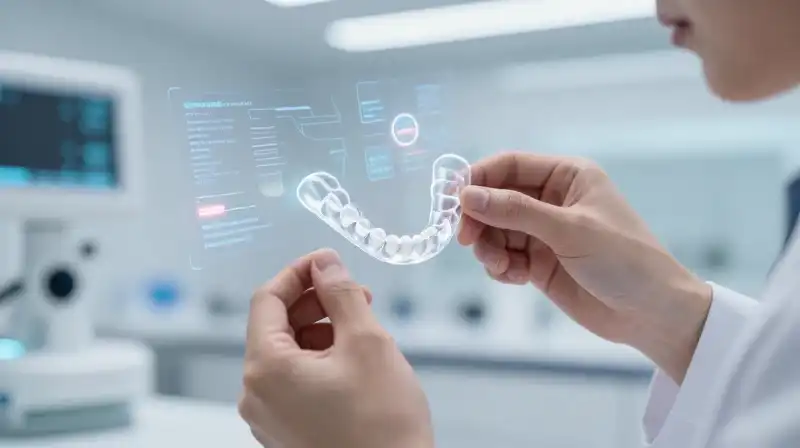
Introduction
The perception that Invisalign is prohibitively expensive is a common and legitimate concern. Understanding the cost of the treatment requires looking beyond the price tag and analyzing it as the intersection of advanced technology, specialized clinical expertise, and material science. While the initial investment is significant compared to traditional orthodontic methods, the high price point is not arbitrary. It reflects a complex value proposition driven by precision, comfort, and the rigorous professional training required to execute the treatment effectively. Ultimately, the cost of Invisalign is tied to the level of research and development invested in making the treatment both highly aesthetic and clinically predictable.
The Cost of Expertise: Specialized Orthodontic Care
A primary driver of the cost is the professional expertise required. Orthodontics is not simply about applying devices; it involves the precise, gradual, and managed repositioning of bone. This clinical skill is extremely high, requiring substantial investment in the practitioner. The required training profile for a certified orthodontist typically includes:
- Four years of undergraduate education.
- Four years of dental school.
- Specialized residency in orthodontics, which is an intensive period of advanced study and supervised clinical practice.
The price you pay for Invisalign incorporates the fee for this high-level clinical judgment. The orthodontist’s role extends far beyond prescribing aligners; they must design the entire treatment plan, monitor the progression remotely, and determine the necessary adjustments to ensure the movement of teeth is controlled, safe, and predictable.
Technological and Material Innovation
Invisalign is a product of significant technological and material innovation, which forms a large portion of the cost. The process relies heavily on digital precision that standard braces cannot match.
Advanced Digital Workflow
The treatment begins with sophisticated digital processes. Instead of traditional physical molds, the system utilizes cutting-edge technology:
- 3D iTero Scanning: This process allows for a highly accurate capture of the teeth in a 3D model. This eliminates the time and physical discomfort associated with traditional impressions.
- Digital Treatment Planning: The orthodontist uses this 3D data to digitally model the desired outcome, allowing for a personalized, precise visualization of the entire journey before treatment even begins.
This level of digital precision and sophisticated software development is a major R&D cost that is reflected in the final price.
Patented Materials and Customization
The actual aligners are manufactured from proprietary, medical-grade materials, most notably SmartTrack. These materials are engineered for maximum efficiency:
- Elasticity: SmartTrack possesses high elasticity, enabling the aligners to return to their programmed shape, which ensures controlled tooth movement and comfort during wear.
- Custom Manufacturing: Because the treatment is tailored to an individual’s unique dental structure, the aligners are custom-manufactured. This intricate process, often involving advanced 3D printing, demands high manufacturing costs compared to mass-produced products.
Comparing Invisalign to Traditional Braces
The comparison often arises between Invisalign and traditional metal braces. While traditional braces may have a lower initial sticker price in some regions, it is crucial to consider the total cost and value proposition.
| Feature | Invisalign (Align Technology) | Traditional Braces |
|---|---|---|
| Aesthetic Advantage | High (Clear, removable) | Low (Visible metal) |
| Upfront Cost | Higher Initial Investment | Generally Lower Initial Cost |
| Customization | Individual digital design | Standard metal framework/wires |
| Treatment Comfort | High (Removable, minimal irritation) | Medium (Adjustment/wire sensations) |
| It is possible to find competitive quotes where both procedures cost similarly, but the core difference is that Invisalign is selling a specialized, highly personalized, low-profile aesthetic outcome, whereas braces provide a robust, functional, highly structured orthodontic solution. |
Variable Factors Influencing the Final Price
Since there is no single, fixed price for Invisalign, the final quote varies based on several clinical and logistical factors. Understanding these variables is essential for managing expectations and securing the best price.
Case Complexity and Treatment Length
The most significant factor is the complexity of the dental misalignment. A straightforward case may require fewer aligners and a shorter treatment period than a severe case requiring complex bone repositioning. Additional costs are incurred if the case demands:
- Extensive use of temporary elastics.
- Supplementary procedures, such as minor tooth extractions.
- A greater number of aligned stages.
Geographic and Market Variables
Market dynamics play a role. The cost of living and operating overhead in specific metropolitan areas directly influence the pricing structure of local clinics. Furthermore, the established brand recognition of Invisalign and its technology contributes to the perceived and market value of the service.
Practical Strategies for Lowering Treatment Costs
While the fundamental cost drivers are inherent to the technology and skill, patients can implement several strategies to achieve a more affordable outcome.
- Solicit Multiple Orthodontic Quotes: Prices vary significantly between providers, even in the same city. Requesting detailed treatment plans and pricing from at least three different, certified providers is the best way to find competitive rates.
- Target High-Volume Clinics: Clinics that handle a high volume of Invisalign cases often benefit from economies of scale and may offer more competitive pricing structures.
- Explore Financial Options: Many providers offer interest-free financing or installment plans, which can make the overall cost more manageable, even if the total price remains high.
- Utilize Insurance Coverage Wisely: While many insurance policies impose age restrictions or limit the amount covered for orthodontic treatment, checking your specific policy details is necessary before treatment begins.
Final Consideration: Investment vs. Expenditure
When evaluating whether Invisalign is worth the high investment, shift the focus from the cost itself to the value delivered. The price reflects not just the aligners, but the integration of cutting-edge digital scanning, patented materials, the intensive training of the practitioner, and personalized monitoring. Prudent financial planning suggests that before committing to a treatment plan, thoroughly review the detailed treatment proposal to understand exactly what conditions or procedures (e.g., extractions or high-level complexity) dictate the highest tier of pricing. Weigh the aesthetic benefits and unparalleled comfort against the long-term financial commitment to ensure the chosen path aligns with both your dental goals and your budget.
How to lower the cost of Invisalign treatment
Solicit Multiple Orthodontic Quotes
Request detailed treatment plans and pricing from at least three different, certified providers to find competitive rates.
Target High-Volume Clinics
Look for clinics that handle a high volume of Invisalign cases, as they often benefit from economies of scale and competitive pricing structures.
Explore Financial Options
Inquire about available interest-free financing or installment plans offered by providers to make the total cost more manageable.
Utilize Insurance Coverage Wisely
Check specific policy details before treatment begins, noting that many insurance policies may impose age restrictions or limit coverage for orthodontic treatment.
Related Articles