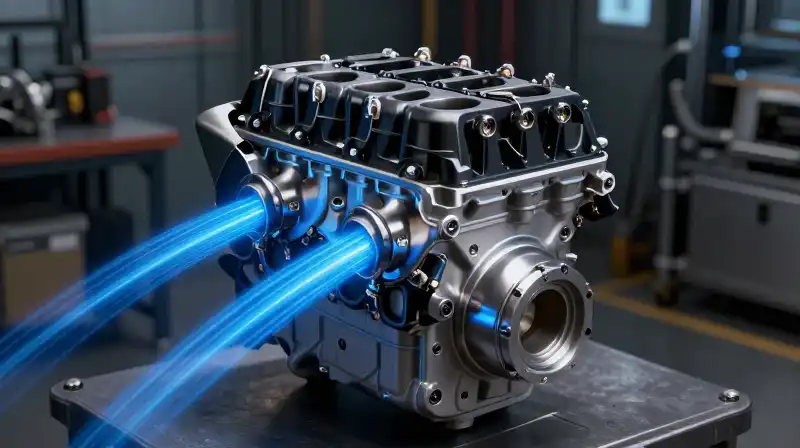

Chevrolet Traverse 2.5L: Power, Torque, and New Engine Technology


Introduction
The 2024–Present Chevrolet Traverse lineup has received a significant update with the introduction of the 2.5L LK0 Turbo engine, marking a shift away from the previous 3.6L V6. This new inline four-cylinder powerhouse isn’t merely an incremental change; it represents a transition toward more efficient, high-performance architecture. With a displacement of 2.5 liters, the engine is engineered to deliver substantial power while maintaining the practicality and rugged capabilities expected of a large SUV. For buyers weighing the merits of the 2.5L engine, understanding its core performance metrics—328 horsepower and 326 lb-ft of torque—is essential to determining how this shift impacts both the driving experience and the long-term fuel economy.
Understanding Displacement and Powertrain Evolution
Displacement, defined as the total volume of air-fuel mixture the cylinders can sweep, measures the engine’s fundamental capacity for combustion. While a larger displacement like the 3.6L V6 traditionally suggests greater brute strength, the 2.5L LK0 Turbo demonstrates that modern engineering prioritizes optimized performance over sheer size. By utilizing forced induction (turbocharging), the engine effectively increases its usable volumetric capacity, allowing it to process more air into its cylinders without requiring a much larger block. The transition to the 2.5L configuration in the Traverse serves multiple functional purposes. It maintains strong rotational force (torque) while improving overall fuel efficiency, especially under highway driving conditions. This engine’s design, particularly its integration of modern combustion techniques like Spark Ignition Direct Injection (SIDI) and its use of high-pressure boost, allows it to achieve a power output that outperforms its predecessor despite having a reduced physical volume.
Performance Metrics: Power, Torque, and Operating Range
The 2.5L LK0 Turbo is specifically engineered to deliver measurable output that translates directly to the SUV’s capability. The engine produces 328 horsepower and 326 lb-ft of torque. Unlike the traditional V8 engines that might generate high torque at extremely low RPM, this turbo-four provides a robust level of rotational force (torque) available at 3,500 rpm. This accessible torque ensures strong acceleration and responsive handling during daily driving and heavy loads. The relationship between horsepower and the engine’s rotational speed is also key. While the engine can operate up to 5,500 rpm to reach peak horsepower, its daily usability is heavily influenced by the torque curve. The engine’s ability to deliver consistent, high torque across its operational range ensures that the Traverse remains a capable workhorse for towing up to 5,000 pounds. This output is a net gain of 18 horsepower and 60 lb-ft of torque compared to the previous V6, indicating that the new platform is a powerful upgrade.
Advanced Engineering for Efficiency and Performance
The 2.5L engine achieves its balance of power and efficiency through several highly specialized technologies. The architecture itself is highly advanced:
- Turbocharging: This system compresses incoming air, forcing more oxygen into the cylinders. This allows for more complete and powerful combustion even at a smaller displacement.
- DOHC and IVCT: The Dual Overhead Camshaft (DOHC) paired with Intelligent Variable Cam Timing (IVCT) allows the engine to precisely control when the intake and exhaust valves open and close. This optimization is crucial for maintaining peak efficiency and power across a wide spectrum of engine speeds.
- High Compression Ratio: The engine boasts a 13.0:1 compression ratio. A higher ratio enhances thermal efficiency, allowing the engine to extract more energy from each fuel injection.
- Lightweight Construction: Utilizing a cast aluminum block and head reduces overall mass. Less weight translates to reduced stress on other components and improved heat dissipation, aiding sustained performance.
Distinguishing the 2.5L Engine: FHEV vs. Standard Operation
It is important to differentiate between the standard 2.5L Turbo and the optional 2.5L FHEV (Fuel-Hybrid Electric Vehicle) system. While the core 2.5L engine block remains the same, the FHEV variant integrates an Atkinson cycle and a permanent magnet traction motor. This hybrid integration improves fuel economy by using electric traction to supplement power and delay intake valve closure to maximize the engine’s expansion ratio. This combination allows the Traverse to deliver both high performance and improved fuel efficiency, depending on whether the standard or hybrid version is selected.
Practical Considerations: Fuel and Maintenance
The 2.5L LK0 Turbo requires regular 87 Octane Unleaded fuel. While modern engines like this are designed to be efficient, maintaining optimal performance requires adherence to the manufacturer’s maintenance schedule. One practical consideration when deciding whether the 2.5L engine meets your needs is its versatility. It is available in both front-wheel drive (FWD) and all-wheel drive (AWD) configurations. The AWD option, supported by the engine’s torque, provides enhanced stability and traction, which is particularly useful given the Traverse’s large size. When evaluating this engine, consider your intended use: if the priority is maximum towing capacity and highway efficiency, the 2.5L LK0 Turbo is a compelling choice.
Summary and Practical Decision-Making
The 2.5L LK0 Turbo engine represents a definitive modern shift for the Chevrolet Traverse. It utilizes forced induction, lightweight materials, and precision fuel delivery to bridge the traditional gap between power and efficiency. Rather than relying on the sheer volume of displacement, this engine excels through technological sophistication. For a driver seeking an SUV that offers the necessary power for 5,000-pound towing while benefiting from better fuel economy and a more refined driving experience, the 2.5L option is a well-engineered successor to the V6. The most critical decision point is recognizing that this engine offers more horsepower and torque than its predecessor while operating with superior thermal efficiency.
Related Articles