

LP vs. EP: What Does Long Play Mean in Music?

Introduction
In the music industry, the acronym LP is often used interchangeably with “Album,” and the term EP serves as a crucial point of comparison. While you might hear the terms “LP vs. EP” in discussions about a release’s scale, the meaning of Long Play (LP) has evolved significantly from its physical origins on vinyl records to its modern function as a commercial classification. Generally, an LP represents the full-length, substantial body of work—the “album”—while an EP stands as a shorter, transitional project. Understanding the difference requires looking at both its historical basis in record technology and its current role in artistic and marketing strategy.
What Does LP Stand For? Historical Origins
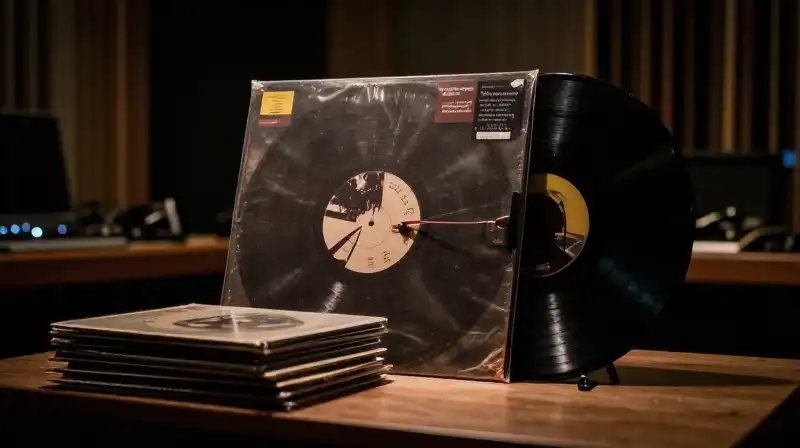
Historically, the definition of an LP was tied directly to the capacity of the physical format. LP stands for Long Play. It was originally developed by Columbia Records in 1948 to replace the shorter “single” formats. To understand the original meaning, consider these technical factors:
- Physical Medium: The LP was a black vinyl phonograph record, typically 12 or 10 inches in diameter.
- Speed and Capacity: It was pressed at a playback speed of 33 1/3 rpm. This higher speed, combined with a “microgroove” specification, allowed the record to hold a substantial amount of audio—approximately 25 minutes per side.
- Purpose: The primary goal of the LP format was to encourage longer listening sessions, fostering the concept of the cohesive musical journey, which led to the birth of the “album era” of popular music.
Similarly, an EP (Extended Play) was derived from smaller physical records (often 45 rpm discs) and was designed to be a shorter, yet dedicated, release.
LP vs. EP: Duration and Track Count Breakdown
While the physical origins differ, the functional difference between an LP and an EP is consistently measured by the amount of music contained within the release. Although digital formats no longer mandate physical constraints, these traditional metrics serve as clear guidelines for classification.
| Format | Traditional Duration | Typical Track Count | Primary Function |
|---|---|---|---|
| LP (Long Play) / Album | 40 minutes or more (Full-length) | 10–12+ tracks | Complete, cohesive artistic statement. |
| EP (Extended Play) | 15–30 minutes | 4–6 tracks | Transitional release, often previewing an album. |
| In modern usage, an LP is often seen as synonymous with a full-length studio “Album,” while an EP functions as a necessary intermediary between a single and a full LP. |
Understanding the Modern Definition of LP
In the contemporary music landscape, the relationship between the term “LP” and “Album” is highly fluid. Despite the availability of unlimited space in digital files, the designation of an LP is less about the literal number of minutes and more about intent and scale. When a label or artist designates a release as an LP, it conveys a specific level of commitment and effort:
- Investment: A full-length LP typically involves a larger investment of time, resources, and production effort compared to a shorter EP.
- Scope: It signifies a more comprehensive artistic statement, often featuring deeper thematic exploration or a wider range of sonic experimentation than an EP.
- Audience Expectation: For the listener, seeing an LP designation sets the expectation for a complete listening experience designed to be consumed over a significant period.
Therefore, while an LP once meant a physical 33 rpm disc, its current lp meaning in music is fundamentally about its status as a long-form, polished, and strategically important release.
The Role of Strategy in Label Releases
A key element distinguishing an LP from other release types is how they are used by the music industry. Marketing and business strategy often dictate whether a release is classified as an EP or an LP, regardless of strict historical definitions. The typical career progression for a new artist often follows a clear format:
- Singles: Used initially to generate short-term buzz and establish a presence.
- EPs: Employed to establish popularity, offer several songs, and demonstrate range, acting as a stepping stone to a larger release.
- LP/Album: Represents the major commitment and culmination of an artist’s current artistic vision, often used to signify a fully realized project for a growing fanbase.
This strategic use means that the decision to create an LP is a marker of a significant milestone in an artist’s career, whereas an EP can be a much more experimental or transitional project.
Mixtapes vs. Studio LP: Addressing Unofficial Releases
To fully understand an LP in music, it is helpful to differentiate it from related but distinct formats, such as the mixtape. Historically, mixtapes were self-made collections of tracks recorded onto physical tapes from various sources like radio. Today, a mixtape often differs from a structured, commercial LP or EP in the following ways:
- Censorship and Polish: Mixtapes frequently feature unpolished or uncensored material and lack the rigorous studio time or sample clearance required for official studio albums.
- Variety and Source: They tend to be a more varied, casual collection of songs rather than a cohesive, tightly produced thematic body of work.
- Commercial Intent: Mixtapes are often non-commercial, experimental, or promotional tools, whereas an LP is primarily a commercial product.
Criteria for Defining the Right Music Release
If you are trying to determine whether a release should be categorized as an EP, LP, or something else, use these practical criteria based on its intent and scale:
When to consider it an LP:
The work is a definitive statement, features a high level of polish and production, requires a substantial listener commitment (over 40 minutes), and represents a major, planned artistic effort from the artist/label.
When to consider it an EP:
The work is a transitional project, its primary goal is to build momentum or test a new direction, and it contains a focused selection of 4-6 strong tracks, running roughly 15 to 30 minutes.
Synthesis:
Ultimately, while vinyl capacity provided the historical template, the contemporary lp or ep distinction serves as a professional guide for both artists and consumers, signaling the scope and intentionality of the musical work being presented.
How to Categorize a Music Release as an LP or EP
Determine the Primary Intent and Scale
Assess the overall intent of the music release, considering whether it is intended as a transitional project or a major, definitive artistic statement.
Check Criteria for an EP
If the work is intended to build momentum or test a new direction, verify that it contains a focused selection of 4-6 strong tracks and runs approximately 15 to 30 minutes.
Check Criteria for an LP
If the release represents a major, planned artistic effort, confirm it requires a substantial listener commitment (over 40 minutes) and features a high level of polish and production.
Related Articles