

Can You Eat a Rooster? Understanding the Meat and Preparation

Introduction
Yes, you can eat a rooster, and the meat is a culinary staple in many global cuisines. However, consuming rooster meat is often a nuanced topic because the experience is vastly different from purchasing typical commercial chicken. Whether or not you decide to eat a rooster depends heavily on your preference for a distinct flavor, your farming knowledge, and the method of preparation you choose. Roosters are valued not just for being edible, but for their strong, flavorful meat, a characteristic that sets them apart from the milder profile of standard hens or commercial broilers. While roosters are certainly a source of protein, they are not the primary mass-produced chicken you find in typical supermarket aisles.
Rooster Meat vs. Standard Chicken: A Flavor Profile
The most common question regarding rooster consumption is how its taste compares to regular chicken. While they are related, rooster meat differs significantly in texture and flavor, and these differences vary based on the bird’s age and whether it has been castrated.
Flavor and Texture Differences
Compared to the bland, even flavor of industrialized hen meat, a rooster offers a more “gamey” or pronounced taste. The texture is also denser and tougher than chicken raised for quick market production. This requires a different approach to cooking; roosters are generally not served lightly fried like a standard broiler.
- Mature Roosters: Offer a very strong, intense flavor but require specific, slow-cooking methods to tenderize the meat.
- Young Male Chickens (Cockerels): These do not typically differ significantly in flavor or preparation from standard young chicken, as they have not yet developed the more robust, mature characteristics of an older bird.
- Hens (Laying Birds): Predominantly used in large-scale farming because they grow even and produce consistent meat, which is why they form the basis of most commercial chicken products.
Defining Types of Rooster Meats
The designation of the meat is often tied to the bird’s life stage and whether it has undergone castration, which dramatically alters the final culinary experience.
Capons: The Premium Meat Option
A capon is a young rooster that has been castrated before it reaches sexual maturity. This surgical intervention allows the bird to put more energy into meat production rather than reproductive function. The meat of a capon is typically described as being exceptionally tender, highly flavorful, and rich in quality, often making it the preferred cut for fine dining.
Mature Roosters: The Traditional Choice
A mature rooster is a male bird that has reached sexual maturity, which is often around one year of age. This is the traditional bird consumed in homesteading practices or by local farmers. Their meat delivers a powerful flavor that many traditional cooks seek, though the toughness necessitates more intensive preparation.
Culinary Approaches: How to Prepare Rooster Meat
Due to the denser and tougher fibers of a mature rooster, proper preparation is key to unlocking the rich flavor without compromising the texture.
Tenderizing Techniques
The primary method for eating mature roosters involves slow cooking, which breaks down the tough connective tissues.
- Stewing: Dishes like *coq au vin* (rooster stew in red wine) are classic examples, as the slow heat allows the meat to absorb the deep, complex flavors of the cooking liquid while becoming tender.
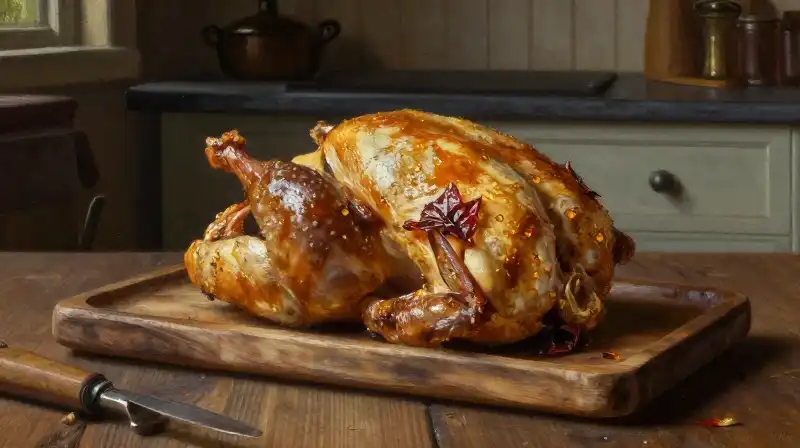
- Slow Roasting: Covering the bird and roasting it for several hours allows the internal fats to melt and moistens the meat from the inside out.
Utilizing Roosters for Broth and Stock
Beyond consuming the meat as a main dish, the rich taste profile of roosters makes them highly prized for creating deep, nutritious bone broth and stock. Using a bird’s bones and bones from a mature rooster ensures a superior flavor compared to standard chicken stock.
Practical Considerations for Consumption and Sourcing
While the meat is delicious, the decision to eat a rooster involves practical factors related to availability, ethics, and local regulations.
Sourcing and Local Laws
If you are interested in buying or consuming rooster meat, it is generally not available at standard commercial stores under the name “rooster meat” because they are too distinct from mass-market broilers. You are more likely to find them through:
- Local homesteading programs or backyard keepers.
- Specialized butcher shops dealing in whole, heritage poultry.
- Farmers’ auctions, particularly when managing a surplus of birds.
Crucially, before pursuing the ownership or professional slaughter of roosters, individuals must be aware of local laws and urban zoning restrictions. In many areas, regulations govern the breeding and processing of poultry.
Food Safety and Ethical Handling
Processing a rooster requires more skill and more care than processing a standard broiler. Food safety and proper dispatch methods are vital to ensure the final product is safe and ethical to consume. Owners who choose not to eat their roosters often rehome them or utilize alternative methods of providing for them, driven by emotional attachment or practical limitations.
Decision Criteria and Practical Summary
The decision to include rooster meat in your diet rests on these three criteria:
- Flavor Preference: Do you prioritize a bold, pronounced, and gamey flavor over the bland consistency of commercial chicken? If yes, the effort is worthwhile.
- Cooking Technique: Are you willing to utilize specific techniques (slow cooking, braising, stewing) that ensure the dense meat remains tender?
- Sourcing: Can you ethically and legally source the meat, either as a local farmer or through a specialized butcher, while adhering to local ordinances?
Roosters are undeniably edible and represent a distinct, high-flavor culinary experience, but they demand respect in both preparation and sourcing. If the reward is an exceptionally rich, savory, and unique depth of flavor, the time and effort required for cooking a rooster are well worth the result.
How to Prepare Rooster Meat
Source the Rooster Meat
Obtain the meat from a local homesteading program, a specialized butcher shop, or a farmers' auction, ensuring full compliance with local zoning restrictions and laws regarding poultry processing.
Select a Preparation Method
Choose a slow-cooking technique such as stewing or slow roasting, as the dense and tough fibers of a rooster require intensive preparation to tenderize the meat.
Prepare for Stewing
Use slow heat to prepare dishes like *coq au vin*, allowing the cooking liquid to penetrate and the meat to become tender while absorbing deep, complex flavors.
Slow Roast the Bird
Cover the entire bird and roast it for several hours to allow the internal fats to melt and naturally moisten the meat from the inside out.
Utilize the Broth and Stock
Collect the bones from a mature rooster and use them to create a superior bone broth or stock, leveraging the rich taste profile of the bird.
Related Articles