

Are Roosters Edible? Cooking Methods and Consumption Guide

Introduction
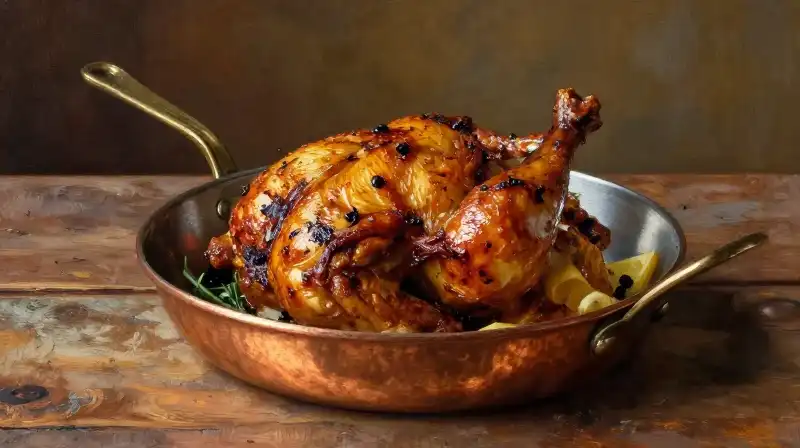
Roosters are indeed edible. Biologically, they are poultry, and their meat is safe for human consumption. However, the reality of how we consume them differs significantly from standard commercial chicken. While the meat is a viable protein source, its texture, flavor profile, and the way roosters are managed in modern farming make them a specialty item rather than a typical grocery staple. If you are considering eating a rooster, understanding the biological differences, required cooking methods, and the context of commercial farming is crucial for a successful culinary experience.
The Commercial vs. Traditional Context of Consumption
To understand why roosters are not frequently available in mainstream supermarkets, it is important to differentiate between commercial farming practices and specialized or traditional husbandry.
In large-scale industrial poultry operations, the primary goal is maximizing efficiency for rapid, lean meat production, which is achieved through highly optimized egg-laying or broiler breeds. In these systems, roosters are often viewed as economic liabilities. The cost and effort required to raise them for meat do not yield the same profit as maintaining egg-laying flocks. Consequently, most male chickens are culled or separated very young. This practice removes them from the typical supply chain, leading to the common misconception that “we don’t eat roosters.”
Conversely, in smaller, specialized operations or historical contexts, roosters are raised specifically for meat. Here, their consumption is presented as a viable and delicious food source, deeply integrated into regional culinary traditions.
Meat Composition and Age Differences
The quality and characteristics of rooster meat change dramatically based on the bird’s age and management.
Cockerel vs. Mature Rooster Meat
The taste and texture of a young rooster, known as a cockerel, are more similar to standard broiler chicken. However, as a rooster reaches sexual maturity (typically around one year), its physiology changes, leading to distinct meat characteristics:
- Cockerel Meat: Generally leaner, with a flavor closer to typical young poultry.
- Mature Rooster Meat: Denser and inherently tougher due to muscle development. It tends to contain more fat and a deeper, more pronounced flavor.
- Capons: A specific culinary preparation involves castration before sexual maturity. This process, known as creating a “capon,” softens the meat considerably while intensifying the flavor, making it exceptionally tender and prized in classic recipes like Coq au Vin.
Ultimately, while both types are biologically “meat-bearing poultry,” the mature rooster offers a much stronger, more complex taste and a different textural experience than conventional chicken.
Culinary Guide: Tenderizing and Maximizing Flavor
Due to the denser muscle fibers of mature roosters, cooking techniques are vital to prevent the meat from becoming dry or chewy. Specific methods are required to ensure the meat is both tender and maximizes its intense flavor.
Essential Preparation Techniques
- Slow Cooking: Roosters are highly suited for slow-cooking methods. Techniques like braising, stewing, and roasting at low temperatures allow the tough connective tissues to break down, yielding tender meat and a rich moisture retention.
- Braising and Stewing: These methods are ideal for dishes like robust bone broths and hearty stews. The prolonged exposure to liquid allows the collagen in the dense meat to dissolve, resulting in an intensely flavorful stock and palatable meat.
- Moisture Management: Whether used in a traditional French braise or a rich pot roast, ensuring the meat remains moist during the lengthy cooking process is paramount to its palatability.
Global Consumption and Cultural Context
The consumption of roosters is not a universal dietary norm; it is largely a reflection of cultural, regional, and personal preference. In many parts of the world, roosters are a celebrated, albeit unique, specialty protein source. However, unlike some meats that are everyday staples, rooster consumption is often treated as a deliberate culinary experience.
Regional preferences vary widely. Some markets embrace roosters as a robust addition to their traditional diets, while others view it primarily as a symbol or a cultural animal, thereby reducing its role as a standard food commodity. Therefore, whether or not you will “find” roosters depends heavily on your location and the availability of specialized producers.
Practical Takeaways for the Consumer
If you are purchasing or planning to cook a rooster, keep these factors in mind to avoid common pitfalls:
- Expect Intensity: Rooster meat often possesses a bolder, more distinct flavor than broiler chicken. This can be interpreted as a strength, but it requires a kitchen ready to handle robust, complex seasoning.
- Prioritize Cooking Time: Do not attempt to cook a mature rooster quickly. To ensure the meat is palatable, utilize extended, gentle cooking times (braising or stewing).
- Define Your Goal: Consider the age of the bird. If seeking maximum tenderness and flavor, look for a capon; if seeking a more traditional, rustic flavor, use a mature rooster.
In summary, while commercial practices often remove roosters from the general market, they are a delicious and viable food source for those who seek the unique texture and bold flavor they provide when prepared with the right care.
Frequently Asked Questions
Why can't male chickens be eaten?
In large-scale industrial operations, roosters are often viewed as economic liabilities because raising them does not yield the same profit as maintaining egg-laying flocks. This practice leads to most male chickens being separated or culled very young, which removes them from the typical supply chain.
Are male chickens edible?
Roosters are indeed edible, as they are biologically poultry and their meat is safe for human consumption. While their meat is a viable protein source, it is typically consumed as a specialty item rather than a common grocery staple.
Why can't roosters be eaten?
Roosters are biologically edible and their meat is safe for human consumption, though they are rarely found in mainstream supermarkets. In large-scale industrial operations, roosters are often seen as economic liabilities and are culled very young, which removes them from the typical supply chain.
Is rooster any good to eat?
Roosters are indeed edible, and their meat is safe for human consumption, serving as a viable and delicious food source in specialized contexts. The meat is denser and has a deeper flavor than conventional chicken, and for best results, birds like capons should be cooked through specialized methods like slow cooking or braising.
Preparing Rooster Meat
Prepare the meat based on age
If seeking maximum tenderness and flavor, look for a capon; if seeking a more traditional, rustic flavor, use a mature rooster.
Select the appropriate cooking method
Due to the denser muscle fibers, roosters are highly suited for slow-cooking methods such as braising, stewing, or roasting at low temperatures.
Cook slowly to tenderize
Utilize extended, gentle cooking times (braising or stewing) to allow tough connective tissues to break down, yielding tender meat and rich moisture retention.
Manage moisture during cooking
Whether used in a traditional French braise or a rich pot roast, ensure the meat remains moist during the lengthy cooking process to maintain its palatability.
Related Articles