

Flat Feet in the Military: Service Fitness and VA Disability Guide

Introduction
Whether you are considering joining the military or are a veteran navigating disability claims, understanding how flat feet (Pes Planus) affects service eligibility and benefits is crucial. The simple presence of flat feet does not automatically disqualify someone from serving. However, the U.S. Department of Defense and the Department of Veterans Affairs (VA) focus primarily on functional limitations. This article clarifies the critical distinction between having flat feet and having a debilitating condition that prevents you from meeting military duties.
Military Fitness and Functional Limitations
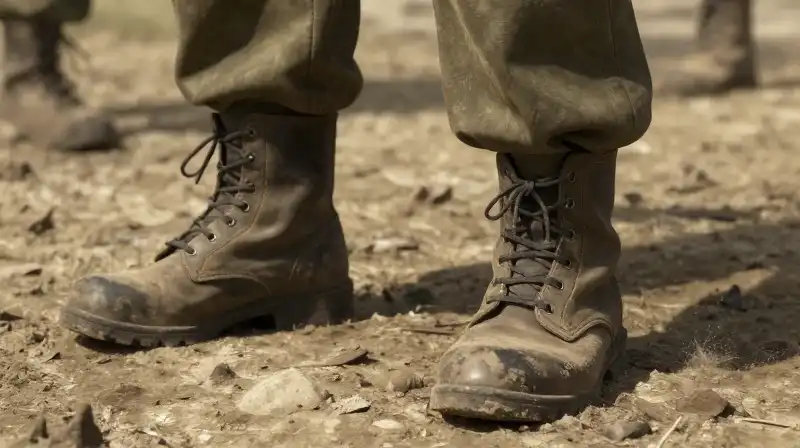
In military medical standards, fitness is not based solely on a diagnosis; it is determined by functional capacity. For flat feet, the concern is not the arch itself but the severe pain, chronic musculoskeletal strain, or mobility issues the condition causes during rigorous physical activity. Military duties often involve prolonged periods spent on feet, wearing specialized combat boots, carrying heavy equipment, and participation in intense physical training.
The U.S. military seeks to ensure that a recruit or service member can safely and effectively withstand the demands of training and deployment. If flat feet lead to debilitating pain—such as severe pronation, ankle instability, or significant lower back issues—that prevents the individual from executing their required duties, then a medical waiver or disqualification may occur. Asymptomatic or mild cases are often manageable, while severe, symptomatic cases that impact daily function pose a greater hurdle to entry.
Understanding VA Disability Claims for Flat Feet
For military veterans who develop or experience symptoms of flat feet during their service, the VA recognizes this as a potential service-connected disability. The goal of a claim is to establish a “service connection” between the condition and your time in the military.
To successfully pursue a VA disability claim for flat feet, veterans must provide comprehensive medical evidence linking the condition to service. This typically involves documentation of symptoms, the timing of the diagnosis relative to service, and how the condition affects your current activities. The VA assesses the severity based on several criteria, including the extent of inward displacement (pronation), chronic pain, and the failure of standard orthopedic footwear to provide relief.
VA Disability Rating Scale
The VA uses specific criteria to assign a compensation percentage, ranging from 0% to 50%. These ratings are based on the severity and the functional impact of the condition:
- Mild: Condition is present but manageable and does not severely impede function.
- Moderate/Severe: Functional limitations are significant, involving noticeable deformity or chronic, persistent pain that interferes with daily life.
- Pronounced (High Percentage): The most severe ratings (30% to 50%) are generally reserved for instances of marked pronation, extreme tenderness requiring frequent rest, or significant structural deformity that demonstrably affects a soldier’s capacity to perform strenuous activity.
Addressing Common Flat Foot Queries
Several questions frequently arise regarding flat feet in a military context. The critical distinction to remember is the difference between structural presence and functional impairment.
Can you join the army with flat feet?
The answer depends on the severity of your condition. Asymptomatic or mild cases where you can perform required physical duties are generally allowed to join. However, if you experience chronic, debilitating pain that directly affects your ability to stand, march, or carry standard gear, this functional limitation may be flagged during the Physical Fitness Assessment (PFT) or medical screening. Seeking specialized medical clearance for your feet before an entry process can provide essential clarity.
What is the maximum percentage you can get for a flat foot VA claim?
The maximum compensation percentage for a flat foot condition is 50%. This is generally awarded only when the condition is deemed “Pronounced” by the VA, meaning it causes significant, documented, and persistent functional limitation that goes beyond mere discomfort. To achieve this high rating, the evidence must show marked deformity and interference with basic daily activities like walking.
Which foot is better, curved or flat?
From a purely mechanical standpoint, the human foot functions best when the arch provides necessary support during load-bearing activities. A severely flat foot that lacks arch support forces the rest of the body—ankles, knees, and lower back—to compensate, leading to poor alignment and chronic pain. The VA and medical professionals look at the function of the foot to determine the disability, not just the appearance.
Preventing Functional Issues in Service
Whether preparing for entry or currently serving, managing flat feet is vital to preventing long-term musculoskeletal strain. Because military life exacerbates flat foot symptoms—due to heavy loads and long hours of marching—proactive management is recommended. This includes wearing proper, supportive footwear, incorporating regular stretching and strengthening exercises for the ankles and lower leg, and seeking professional podiatric evaluations if pain begins to disrupt your routine.
The goal is to mitigate the risks of mobility issues, fatigue, and the chronic aches that lead to disability. Early intervention ensures that the condition remains a manageable part of one’s life rather than a functional impediment to military excellence.
Practical Warning: Evidence is Key
For both service entry and VA claims, documentation is the most important element. If you are pursuing a VA benefit, do not rely on self-assessment. Work with a specialist to gather detailed medical records, including imaging (X-rays), clinical notes detailing the severity of your pain, and any reports from orthopedists. For military screening, maintain awareness of your functional limits and consult with military medical professionals if you feel your condition impacts your ability to train safely.
Understanding that the focus of the VA is functional loss, and the focus of military entry is operational readiness, provides the clearest path for dealing with flat feet.
Frequently Asked Questions
What is the maximum percentage you can get for a flat foot VA claim?
The maximum compensation percentage for a flat foot condition is 50%. This high rating is generally awarded only when the condition is deemed Pronounced by the VA, meaning it causes significant, persistent functional limitation.
Which foot is better, curved or flat?
From a purely mechanical standpoint, the human foot functions best when the arch provides necessary support during load-bearing activities. A severely flat foot that lacks arch support forces the rest of the body to compensate, which leads to poor alignment and chronic pain.
How to Address Flat Feet for Military Service or VA Claims
Assess Functional Limitations
Determine if the condition is asymptomatic/mild or severe and debilitating, focusing on pain, severe pronation, or mobility issues that impede daily function or military duties.
Document Service Connection (VA Claim)
For veterans pursuing a VA claim, document the symptoms, the timing of the diagnosis relative to your service, and precisely how the condition affects your current activities.
Gather Comprehensive Medical Evidence
Do not rely on self-assessment; work with a specialist to gather detailed medical records, including imaging (X-rays), and clinical notes detailing the severity of your pain.
Consult Medical Specialists
Seek professional evaluations from podiatrists or orthopedists to gain expert assessment of the condition and receive formal documentation of its impact.
Maintain Functional Awareness (Military Screening)
Maintain awareness of your functional limits and consult with military medical professionals if you believe your condition impacts your ability to train safely.
Manage Symptoms Proactively
Wear proper, supportive footwear and incorporate regular stretching and strengthening exercises for the ankles and lower leg to mitigate long-term musculoskeletal strain.
Related Articles