
Why Does a Car Backfire? Causes and Will It Damage Your Engine?

Introduction
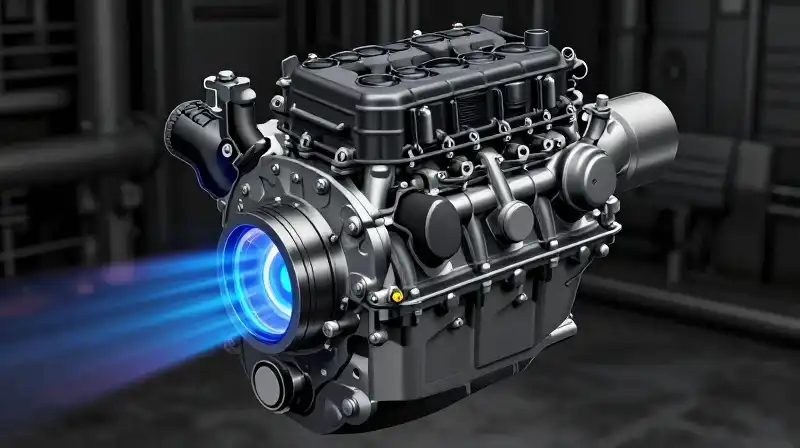
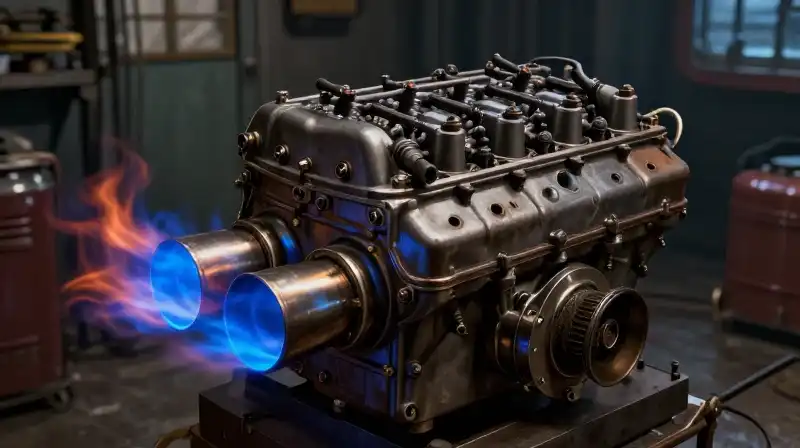
A car backfire, often described as a sharp “pop,” “bang,” or “whoosh,” occurs when unburnt fuel escapes the main combustion chamber of an internal combustion engine and ignites outside the cylinder, typically within the intake manifold or the exhaust system. Contrary to popular belief, backfiring is not merely a random occurrence; it is a physical symptom resulting from a specific sequence of events: fuel is expelled by the engine and encounters oxygen while still hot enough to ignite. Understanding this process is key to determining whether the sound is a harmless byproduct of high-performance tuning or a warning sign of an underlying mechanical failure.
The Mechanism: How Backfiring Works
At its core, backfiring is a runaway combustion event. For this to happen, three elements must align: fuel, oxygen, and an ignition source (usually the residual heat from the engine). When an engine runs rich—meaning it is delivering an excess amount of fuel relative to the air intake—this surplus fuel must be expelled. As the exhaust valve opens, this hot, unburnt fuel can be forced into a cooler part of the exhaust or intake tract. If the fuel is still glowing or sufficiently hot, and it meets oxygen, the sudden, rapid ignition creates a loud explosive sound. This phenomenon is fundamentally different from the controlled explosion that happens inside the cylinder.
Common Causes: Why Does a Car Backfire?
The cause of a backfire can range from easily fixed maintenance issues to intentional design features in race-tuned vehicles. These causes can be grouped by the engine system they affect.
Improper Fuel and Air Mixture
The most common reason a car backfires is a “rich” mixture.
When the engine has too much fuel for the amount of air it is processing, the excess fuel is not completely burned during the normal exhaust stroke. This leftover, rich fuel becomes a prime candidate for ignition elsewhere. Causes for a rich mixture include:
- Poor carburetor adjustments (in older vehicles).
- Faulty fuel injectors or malfunctioning fuel pump (in modern systems).
- Clogged or restricted fuel lines.
Ignition System Timing and Health
The timing of the spark is the primary control over combustion. If the spark occurs at the wrong time, the backfire is inevitable.
- Delayed Ignition: If the ignition cycle occurs too late, the combustion process can continue to propagate outside the cylinder as the exhaust valve begins to open. This is a very common cause of “pop-back.”
- Faulty Spark Components: Failing spark plugs, worn ignition coils, or damaged spark plug wires can lead to incomplete combustion or cause the spark to jump prematurely in unintended areas, leaving fuel to be pushed out by the engine’s pressure.
Aggressive Tuning and Mechanical Features
In high-performance or modified vehicles, backfire may be intentional or a result of aggressive design choices.
- Performance Exhaust Systems: Modern performance or race-spec exhaust designs are often engineered to encourage or even exploit backfires to achieve a desired auditory effect.
- Camshaft Profiles: Aggressive camshaft profiles with “high overlap” allow the intake and exhaust valves to stay open simultaneously for a longer period. This allows unburnt fuel from the intake side to leak into a hot exhaust area, triggering a backfire.
- Driving Conditions: Rapid acceleration or downshifts (engine braking) often momentarily cause the ECU to dump extra fuel into the system, which can then backfire as the excess escapes the engine.
Pop-Back vs. Afterfire: Understanding the Terminology
While these terms are often used interchangeably, there are subtle differences:
- Backfire: Generally refers to the engine’s pressure forcing fuel out of the cylinder (usually through the exhaust valve) and causing a secondary explosion.
- Pop-Back: Specifically refers to combustion occurring in the intake manifold when ignition timing is too early, causing the flame to move backward into the incoming air stream.
- Afterfire: This term usually describes the combustion occurring exclusively within the exhaust system itself, often resulting in a flame or intense smoke as the exhaust gases burn off more fully.
Will Backfire Damage My Engine?
The potential for damage depends entirely on the cause and the severity of the backfiring.
Non-Damaging Backfires
In performance tuning, a controlled backfire is generally a side effect of the engineering and is not expected to cause detrimental wear to internal engine components. In the context of engine tuning, the backfire is a visual and auditory result, not an indicator of mechanical failure.
Damaging Backfires
If the backfire is a symptom of a mechanical problem, the underlying cause *could* eventually damage the engine. For example:
- Misfiring/Rich Mixture: Persistent backfiring caused by an incorrect fuel mix or poor spark indicates fundamental issues with the engine management system that, if ignored, can lead to fouled pistons or reduced engine efficiency.
- Excessive Heat: While rare in modern vehicles, extremely severe, uncontrolled flames (especially those accompanied by a powerful, sustained roar) could potentially damage the seals or surrounding components of the exhaust system or intake manifold.
If a backfire is frequent and accompanied by hesitation, a noticeable loss of power, or excessive smoke, it suggests an underlying problem that requires professional diagnosis to prevent more significant wear.
Distinguishing a Warning from a Feature
Not all backfires are created equal. To determine if your vehicle’s backfire is a concern or simply a feature, consider these criteria:
| Symptom/Condition | Likely Cause | Action Required |
|---|---|---|
| Occurs only under aggressive downshifts or WOT in performance cars. | Intentional tuning or performance engineering. | None (unless the noise is excessive and annoying). |
| Frequent, accompanied by engine stutter or loss of power. | Rich fuel mixture or ignition timing issues. | Diagnose fuel system and spark components. |
| Persistent popping during normal cruise or light acceleration. | Carbon buildup, vacuum leaks, or severe fuel injection issues. | Professional engine tune-up and inspection. |
Practical Steps to Address Unwanted Backfires
If you are experiencing an unwanted and persistent backfire, the first step is diagnosis. Do not simply replace parts; understand the root cause. 1. **Check for Mechanical Integrity:** Inspect all vacuum lines and exhaust components for leaks. Exhaust leaks often allow unburnt fuel to bypass sensors and ignite prematurely. 2. **Review Ignition Health:** Have your spark plugs, wires, and coil condition checked. If the engine is running lean or rich, the spark may not be consistent. 3. **Inspect Fuel Delivery:** Monitor the fuel trim data (if accessible via OBD-II) to see if the engine is persistently running “rich” (high fuel trims). This points to a fuel system regulation issue. 4. **Evaluate ECU/Tuning:** If the vehicle has been heavily modified, consult a professional tuner. They can adjust the engine timing and fuel map to prevent the “rich” conditions that lead to combustion outside the cylinder. The goal of solving a backfire is usually to restore balanced combustion within the cylinder itself, ensuring the engine operates efficiently and cleanly without the need for those high-energy, uncontrolled exhaust explosions.
Frequently Asked Questions
Does backfire damage a car?
The potential for damage depends entirely on the cause and severity of the backfire. Controlled backfires in performance tuning are not expected to cause detrimental wear, but if it is a symptom of a mechanical problem, the underlying issues could eventually damage the engine through issues like fouled pistons or excessive heat damage.
Practical Steps to Address Unwanted Backfires
Check for Mechanical Integrity
Inspect all vacuum lines and exhaust components for leaks, as exhaust leaks often allow unburnt fuel to bypass sensors and ignite prematurely.
Review Ignition Health
Have your spark plugs, wires, and coil condition checked, as poor ignition is a key cause of backfire.
Inspect Fuel Delivery
Monitor the fuel trim data (if accessible via OBD-II) to see if the engine is persistently running "rich" (high fuel trims), which points to a fuel system regulation issue.
Evaluate ECU/Tuning
If the vehicle has been heavily modified, consult a professional tuner to adjust the engine timing and fuel map and prevent the "rich" conditions that lead to combustion outside the cylinder.
Related Articles