

How 3D Cinema Works: Explaining Stereo Vision and Projection

Introduction
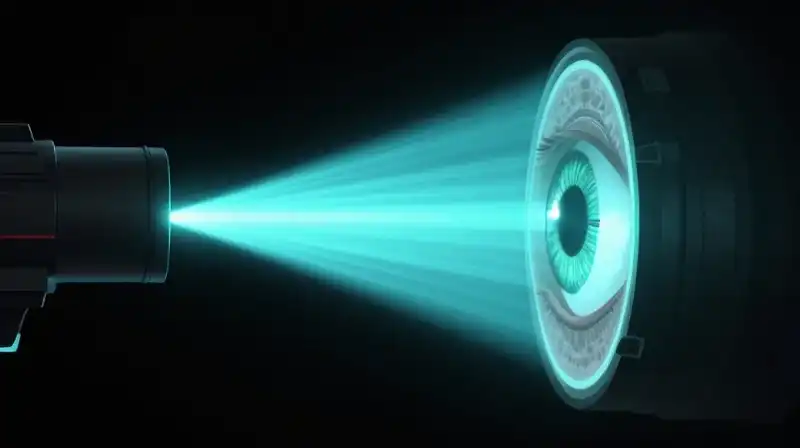
3D cinema works by replicating the natural way the human brain perceives depth. Unlike standard 2D images, which present a single perspective, 3D movies present two slightly different views—one for each eye. The core principle behind 3D is stereoscopic vision, a biological phenomenon where two eyes, separated by a small distance, capture minute differences in how objects appear. Your brain then fuses these two disparate images into a single, coherent three-dimensional perception, creating the illusion of depth and solidity. Achieving this complex visual experience requires sophisticated capture methods, specific projection technologies, and specialized viewing hardware.
The Biological Basis: Understanding Stereo Vision
To understand how 3D works in movies, one must first understand how human eyes function. Our vision relies on “binocular disparity.” Because our eyes are not perfectly aligned, when we look at an object, the left eye captures a slightly different image than the right eye. Our brains are constantly making micro-adjustments, and this difference in perspective is how we calculate distance and depth in the real world. In a 3D movie, the filmmakers simulate this natural disparity. They don’t simply project one image; they capture or render two versions of the same scene, ensuring that the angles and spatial relationships are subtly shifted between the two.
How 3D Content Is Created: Production Techniques
The creation of 3D cinematic material varies significantly based on whether the film is live-action or computer-generated.
Live-Action Filming
For films involving real actors and environments, the process utilizes stereoscopic cameras. These specialized cameras are mounted to perfectly mimic the distance and angle between human eyes. They capture two synchronized, parallel images simultaneously. These dual files (Left-Eye Image and Right-Eye Image) form the basis of the 3D reel.
Computer-Generated Imagery (CGI) and Animation
In computer-generated content, depth is achieved through digital rendering. Artists and rendering software are programmed to retain depth data within the model itself. The 3D effect is achieved by manipulating the digital perspective, ensuring that when the final images are separated, the slight horizontal shifts accurately simulate binocular vision.
Projection Methods: Delivering the Dual Image
The technology used to separate and deliver the two distinct images to the viewer is the most critical element of the 3D viewing experience. There are several common theatrical methods:
- Polarization (Polarized 3D): This is the most common method in modern cinemas. It uses specialized polarized light sources and reflective screens. The lenses in your 3D glasses filter the light, blocking one of the two projected images entirely, allowing each eye to receive only its designated view.
- Anaglyph 3D: This older, more accessible method uses color filters, typically red and cyan. The red filter allows one eye to see the image projected through red light, while the cyan filter allows the other eye to see the complementary view.
- Active Shutter Glasses: These glasses contain liquid crystal technology. Instead of filtering light passively, the shutters physically switch on and off rapidly, blocking light for the eye that is currently receiving the non-corresponding image. This technology eliminates the need for complex reflective screens.
Viewing Reality: The Role of Glasses and Light Filtering
A critical aspect of the 3D experience is how the viewing apparatus interacts with the light. Because the 3D glasses must actively filter out one of the two projected images—either through polarization or color filtering—they inherently block a significant amount of light from both projectors. This is why a 3D movie always appears noticeably darker than a 2D film. If a 3D movie is played in 2D, the theater simply ignores the complex dual-image format and projects the primary, non-polarized 2D reel.
Common Concerns and Practical Limits of 3D Cinema
Some viewers may question the experience when the glasses are removed, while others may worry about the quality of the effect.
What Does a 3D Movie Look Like Without Glasses?
Without the required filtering hardware (the specialized glasses), the two separate images are superimposed onto the viewer’s retina. Instead of the brain cleanly fusing the images into 3D depth, the viewer typically sees a blurry, ghost-like overlap, often resulting in eye strain and a lack of coherent visual focus. The specialized optics are required to successfully deliver the stereoscopic illusion.
Achieving Accurate Depth Perception
The illusion of depth relies entirely on precision. If there is too much, too little, or mismatched alignment between the image source and the viewer’s optics, the perceived depth can be distorted, causing the image to “float” incorrectly or appear flat. Precise calibration is necessary to deliver a convincing and comfortable 3D viewing experience.
Conclusion: Synthesis of the 3D Experience
The magic of 3D cinema is not a visual trick, but a sophisticated replication of the human brain’s natural processing of depth. While the camera captures two perspectives and the projectors deliver them through specialized filters, the final work—the perceived three-dimensional world—is synthesized entirely within the viewer’s brain. To ensure the best experience, understanding the difference between passive filters (polarization) and active hardware (shutter glasses) helps viewers appreciate the mechanics of the immersive illusion.
Creating 3D Cinematic Material
Select Production Type
Determine if the content will be live-action (real environments/actors) or computer-generated imagery (CGI) and animation.
Capture Dual Images (Live-Action)
For live-action films, utilize specialized stereoscopic cameras mounted to perfectly mimic the distance and angle between human eyes to capture two synchronized, parallel images.
Generate Depth Data (CGI)
For computer-generated content, program artists and rendering software to retain essential depth data within the 3D model itself.
Simulate Binocular Vision (CGI)
Manipulate the digital perspective to ensure slight horizontal shifts accurately simulate the binocular vision necessary for a 3D effect.
Assemble 3D Reel
Combine the resulting Left-Eye Image and Right-Eye Image files to form the foundation of the 3D cinematic content.
Related Articles