

Vaping & Smoke Detectors: How Vapor Triggers Alarms and Solutions

Introduction
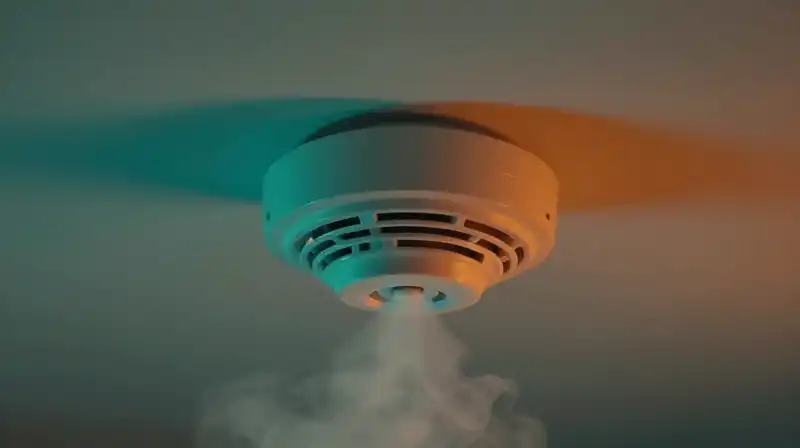
Vaping can potentially set off standard smoke detectors and fire alarms. While it is not a certainty that vapor will trigger a system, it is a real possibility. The key to understanding this risk lies in how different types of detectors operate and the physical characteristics of vape vapor. Smoke detectors are not just designed to sense combustion; they monitor changes in air quality—specifically particle concentration or light scattering. Since vapor is composed of tiny, dense droplets rather than traditional smoke, it can be misinterpreted by sensitive alarms, leading to a false activation.
How Smoke Detectors Detect Vapor vs. Smoke
To determine if a vape will set off your alarm, it is essential to know the two primary technologies used in consumer smoke detectors: Ionization and Photoelectric.
Ionization Detectors: These older, less common units detect smoke by sensing when charged particles (ions) in the air are disrupted. They are particularly susceptible to dense, non-combustible vapor, meaning a heavy cloud of vape vapor can sometimes disrupt the flow of ions and trigger the alarm.
Photoelectric Detectors: Most modern residential alarms use photoelectric sensors. These work by detecting light scattering. A beam of infrared light is aimed at a sensor; if particulate matter enters the beam and scatters the light onto the sensor, the alarm sounds. Because vape vapor consists of microscopic particles, they can scatter this light, making photoelectric detectors highly vulnerable to false alarms caused by vapor.
The Mechanics of Vapor Triggering Alarms
Vape vapor is fundamentally different from smoke, as it lacks the high temperatures and toxic chemicals associated with fire. However, its physical properties are similar enough to confuse a sensor.
- Particle Interference: The vapor is made up of countless fine, water-based droplets and aerosols. These particles are small enough to be absorbed by the detector’s sensitive element or, more commonly, dense enough to obscure a light beam.
- Volume and Density: The effectiveness of a vape in triggering an alarm is directly linked to the volume and density of the vapor produced. A low-power, smokeless device produces minimal risk, whereas a high-powered device generating large, thick clouds poses a much greater threat to the detector.
- Sensitivity Limits: Most smoke detectors lack the ability to definitively distinguish between harmless water vapor and actual smoke. If the concentration of particles reaches the specific threshold of the detector, it will trigger the alarm, regardless of whether the source is a fire or a vaping device.
Factors That Increase the Risk of False Alarms
Several conditions can increase the likelihood that your vaping will set off a smoke detector:
- E-Liquid Composition: E-liquids that contain high concentrations of vegetable glycerin (VG) or propylene glycol tend to create much thicker, denser clouds. This increased density makes it significantly more likely to trigger both photoelectric and ionization sensors.
- Proximity to the Detector: The closer the vaping activity is to the sensor, the more likely the vapor is to be immediately absorbed or scatter the light, leading to an immediate false alarm.
- Detector Sensitivity: Higher-end or more sensitive detectors—such as those designed for sensitive environments like hotels or industrial settings—will be more prone to activation by vapor compared to older, less sensitive models.
Practical Solutions: How to Vape Without Triggering an Alarm
If you need to vape indoors near a detector, there are several practical measures you can take to minimize the risk of a false alarm. These methods focus on controlling the volume of vapor and controlling airflow.
- Strategic Vaping Locations: Ensure the vaping area is as far away from the smoke detector as possible. If the detector is in the ceiling or centrally located, keep your device and head at a safe distance.
- Maximize Ventilation: When vaping, ensure there is active airflow (e.g., a nearby window open or a fan blowing out the window). This allows the dense vapor to dissipate rapidly, reducing the time the particulates remain in the detector’s “field of view.”
- Control Device Output: Adjust your device settings or utilize lower-powered units. Using high-quality devices with adjustable airflow allows you to achieve your nicotine delivery goal while keeping vapor production to a minimum.
- Maintain Cleanliness: Regularly cleaning your device prevents the buildup of residue on the coil and mesh. Residue can increase the density of the vapor output, which raises the chance of triggering the alarm.
- Utilize Vaporless Products: Many manufacturers offer specialized products using “vaporless juice.” These provide the nicotine experience of vaping without producing significant clouds of vapor, offering a robust solution to the false alarm issue.
Critical Safety Warning: Alarm Maintenance
While the potential for false alarms is real, it is vital to maintain the integrity of your fire safety system. Never disable, cover, or tamper with a smoke alarm, even if you believe you are only dealing with a false alarm.
Smoke detectors are life-saving devices designed to detect the specific chemical and physical markers of combustion. Disabling them removes the crucial safety net required to detect a genuine fire. Even if vapor can trigger an alarm, a functioning detector is the only reliable way to ensure timely warning during a real emergency. The occasional false alarm should always be treated as a necessary trade-off for maximum life safety.
Summary of Decision Criteria
The decision of whether or not your vape will trigger a fire alarm depends on three primary, interconnected factors. To assess your specific situation:
Detector Type:
If you have an Ionization alarm, the risk of triggering is generally higher. If you have a Photoelectric alarm, the risk is also high due to the nature of vapor scattering light.
Vapor Density:
High-power, high-VG, or poorly maintained devices will increase the risk. Low-power, smokeless, or properly diffused vapors will minimize risk.
Environmental Factors:
Proximity and lack of ventilation significantly increase the chance of a false alarm. Strategic placement and adequate airflow are the best mitigation tactics.
Frequently Asked Questions
Can a smoke detector detect vaping in your house?
Yes, vaping can potentially set off standard smoke detectors and fire alarms because the dense vapor is composed of tiny particles that can scatter the light used by photoelectric sensors or disrupt ionized particles. The likelihood of a false activation depends on the vapors density and the specific detector type.
How to vape without triggering a smoke detector?
Minimize the risk of false alarms by placing the device far from the detector and maximizing airflow, and by utilizing lower-powered units, maintaining device cleanliness, or using vaporless products.
Can vaping cause a smoke detector to go off?
Vaping can potentially set off standard smoke detectors and fire alarms because the microscopic particles in vapor can confuse the sensors. These detectors, especially ionization and photoelectric models, are vulnerable to false alarms caused by the density and characteristics of the vapor.
Will vaping next to a smoke detector set it off?
Vaping can potentially set off standard smoke detectors and fire alarms, even though it is not a certainty that vapor will trigger a system. The risk of a false activation is higher when the vaping occurs near the detector, or when the device produces high-density vapor.
Can I vape in a room with a smoke alarm?
Vaping can potentially set off standard smoke detectors and fire alarms because the vapor can be misinterpreted by sensitive sensors. The likelihood of this occurring depends on the detector type, the volume and density of the vapor, and environmental factors such as proximity to the alarm.
Can smoke detectors pick up vapor?
Yes, smoke detectors can potentially be triggered by vapor because they monitor particle concentration and light scattering, which can be mimicked by the dense, microscopic droplets that compose vape vapor. Different detector types, such as ionization and photoelectric alarms, are particularly vulnerable to this type of false activation.
How to tell if a smoke alarm detects a vape?
The decision of whether your vape will trigger the alarm depends on three primary factors: the type of detector (Ionization or Photoelectric), the vapor density of your device, and environmental elements such as proximity and ventilation. High-powered, high-VG devices and detectors that are close to the vaping area significantly increase the likelihood of a false alarm.
Can vapor make a smoke detector go off?
Vaping has the potential to set off standard smoke detectors and fire alarms because vapors tiny, dense droplets can be misinterpreted as smoke. This risk is particularly high for ionization and photoelectric detectors and is directly linked to the volume and density of the vapor produced.
Will a vape set off a fire alarm?
Vaping can potentially set off standard smoke detectors and fire alarms because the vapors physical properties can confuse the sensors, making them interpret the particles as smoke. The likelihood of a false alarm depends on the detector type, the volume and density of the vapor, and the proximity of the vaping activity to the sensor.
Can you vape indoors without setting off the fire alarm?
To minimize the risk of a false alarm, you can control vapor production by using lower-powered devices, utilizing vaporless products, and maximizing ventilation. It is recommended that you ensure the vaping area is as far away from the smoke detector as possible.
How to Vape Without Triggering an Alarm
Strategic Vaping Locations
Ensure the vaping area is as far away from the smoke detector as possible. If the detector is in the ceiling or centrally located, keep your device and head at a safe distance.
Maximize Ventilation
When vaping, ensure there is active airflow (e.g., a nearby window open or a fan blowing out the window). This allows the dense vapor to dissipate rapidly, reducing the time the particulates remain in the detector’s "field of view."
Control Device Output
Adjust your device settings or utilize lower-powered units. Using high-quality devices with adjustable airflow allows you to achieve your nicotine delivery goal while keeping vapor production to a minimum.
Maintain Cleanliness
Regularly cleaning your device prevents the buildup of residue on the coil and mesh. Residue can increase the density of the vapor output, which raises the chance of triggering the alarm.
Utilize Vaporless Products
Many manufacturers offer specialized products using "vaporless juice." These provide the nicotine experience of vaping without producing significant clouds of vapor, offering a robust solution to the false alarm issue.
Related Articles