
Foxkin Defined: Exploring the Species and the Identity

Introduction
Foxkin, a term used in both fantasy lore and personal identity communities, describes a being with physical and spiritual characteristics akin to the fox. While often encountered in the context of anthropomorphic races in roleplaying games, the concept also serves as a potent identifier within the broader “Otherkin” movement. To understand Foxkin is to explore a duality: one side is a detailed, organized fantasy species with specific traits and cultures; the other is a deeply personal, subjective expression of spiritual connection to the characteristics of a fox.
When discussing the Foxkin, it is essential to first clarify the context. Are you interested in the physical, magical attributes of the race found in fantasy settings, or are you seeking to understand the personal experience of identifying with the traits of a fox? This distinction informs how the term is applied—whether as a biological race in a high-fantasy world or as a core aspect of nonhuman identity.
Defining the Foxkin Identity (The Kin Concept)
The “Foxkin” concept within the Otherkin and Alterhuman community refers to individuals who feel their inner self, personality, instincts, or spirit matches those associated with the fox. This is a form of ‘animal kin,’ which posits that a person’s soul or true nature is that of a specific creature.
Unlike general animal fandom, which often focuses on the outward appearance of animals, being Foxkin involves a profound, internal alignment. For some, it is a purely spiritual sense of “nonhumanity”; for others, it manifests in behavioral patterns, mannerisms, and a deep sense of freedom from typical human constraints. The identity is a spectrum, ranging from subtle traits—such as quick wit or cunning—to a desire for complete, perceived transformation.
The identification with fox characteristics is often a way of expressing facets of the self that align with those traits. Because the fox is culturally associated with intelligence, adaptability, and secrecy, those who identify as Foxkin may find resonance with those qualities, viewing them as integral to their authentic self.
Foxkin as a Fantasy Species (RP and Lore)
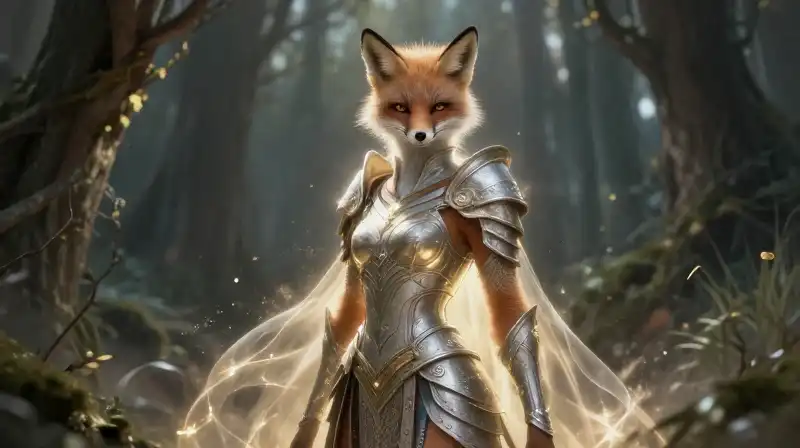
In various fantasy settings, Foxkin are depicted as humanoid races sharing distinct physical traits with their canine counterparts: bushy tails, digitigrade legs, and refined facial features. These species possess rich cultural elements, such as a strong focus on bloodlines, destiny, and the reverence for ancestors.
The social structure often involves a dual naming convention. Community members might use formal ‘Vulpan’ names for close associates, while opting for ‘common names’ in public life to maintain their relative secrecy. Standard race attributes include 35 feet walking speed, proficiency in Perception, and the inherent ability to cast a Necromancy cantrip, suggesting a deep tie to ancient or natural energies.
Subspecies and Special Abilities
Fantasy Foxkin often feature subraces that reflect specific environmental or magical affinities, providing mechanical differences for player characters. These variations allow for a specialized connection to “the magic of the woods.”
| Subrace | Primary Boost | Specialized Traits | Magical Connection |
| Subrace | Core Attribute Bonus | Unique Abilities | Magical Focus |
|---|---|---|---|
| Red Foxkin | Charisma | Advantage in magical connection and foraging while digging | Specialized Cantrips (based on class) |
| Grey Foxkin | Dexterity | Natural climbing capabilities | Sorcery specialization |
| Silver Foxkin | Intelligence | Burrowing abilities | Wizard cantrip specialization |
| Arctic Foxkin | Constitution | Energy reserve, requiring half rations in scarcity | Specialized Cantrips (based on class) |
These subraces show how specific traits like high Constitution (Arctic Foxkin) address survival and endurance, while high Intelligence (Silver Foxkin) leans into intellectual mastery.
Understanding the Difference: How Do I Know If I Am Foxkin?
If the term is used in the context of personal identity, determining if one is Foxkin is a process of internal self-discovery rather than a checklist. It is about observing persistent traits and aligning with a specific internal feeling, rather than waiting for a physical manifestation.
Key indicators often revolve around alignment with the core characteristics of the fox. Consider the following:
- Intuitive Cunning: A tendency to see social situations or problems through a lens of adaptability and quick wit.
- Need for Solitude and Mystery: A comfort in observing from the periphery, valuing privacy, and having a natural “secret” or private interior life.
- Spiritual Alignment: A deep, persistent feeling that the “true self” or spirit resonates more strongly with the behaviors and instincts of a fox than with purely human expectations.
- Aesthetic Resonance: A powerful, innate appreciation for the features, ecology, and lore associated with foxes.
It is crucial to distinguish between transient interests and a core, “nonhuman” identity. While liking fox imagery is a fan activity, the Foxkin identity is a belief in a fundamental spiritual match.
What Does it Mean to Kin an Animal?
Animal kin is a broad identity umbrella that encompasses Foxkin. It is the deeply felt experience or belief that one possesses a spiritual or supernatural connection to a non-human creature. The “species transition” discussed within this community refers to the internal process of moving beyond a perceived purely human identity to embody the traits and perspective of an animal.
This identification often falls under the broader term “Alterhuman” or “Nonhuman Identity.” The focus is not necessarily on physical transformation—though that may be desired by some—but on the internal freedom to act, feel, and perceive the world differently, aligning one’s life with the instinct and spirit of their claimed kin.
Navigating the Community and Public Perception
Both within the fictional realm and the identity community, Foxkin encounter unique social dynamics. In the fictional setting, they are often communal and highly trusting of their own kind but remain wary of outsiders, which fuels their secretive nature regarding bloodlines and destiny.
In the identity community, the expression of traits can sometimes be met with ridicule from external groups, leading to strong defensive tendencies. This necessitates strong boundaries and clear communication when discussing the internal validity of these beliefs.
For those navigating this path, understanding the difference between a ‘trend’ and a ‘core identity’ is vital. The community focuses on the validity of the experience, ensuring that the connection is seen not as a psychological condition, but as a fundamental part of who one is.
Practical Considerations and Synthesis
The experience of being Foxkin, regardless of whether it is a race or an identity, is defined by a deep connection to the wild, cunning, and secretive nature of the fox. When approaching this topic, be mindful of the nuances involved:
- Fictional Context: Use the established subrace traits and social conventions to deepen immersion or character roleplaying.
- Identity Context: Focus on internal alignment and behaviors that reflect the fox’s characteristics. This is about *feeling* like a fox, not necessarily *looking* like one.
- The Role of Boundaries: When discussing this identity publicly, distinguish between personal spiritual experience and generalized fandom to avoid being dismissed by external groups.
By addressing the context first and then exploring the internal and external facets of this unique connection, a clearer picture of the Foxkin is established.
Frequently Asked Questions
What does being Foxkin mean?
In a personal identity context, being Foxkin means having a spiritual or inner alignment with the behaviors and instincts of a fox. In fantasy lore, it describes humanoid races that possess distinct physical traits like bushy tails and digitigrade legs.
How do you know if you are Foxkin?
Identifying as Foxkin is a process of internal self-discovery that involves aligning with the core characteristics of the fox, such as intuitive cunning, needing solitude and mystery, or feeling a deep spiritual resonance with the foxs instincts. It is described as a belief in a fundamental spiritual match rather than a simple checklist or transient interest.
What does it mean to kin an animal?
Animal kin is the deeply felt experience or belief that one possesses a spiritual or supernatural connection to a non-human creature. This identity focuses on the internal freedom to act, feel, and perceive the world differently, aligning ones life with the instinct and spirit of their claimed kin.
How to Identify as Foxkin
Assess Intuitive Cunning
Observe a tendency to see social situations or problems through a lens of adaptability and quick wit.
Evaluate Need for Solitude and Mystery
Check for a comfort in observing from the periphery, valuing privacy, and having a natural "secret" or private interior life.
Examine Spiritual Alignment
Determine if there is a deep, persistent feeling that your "true self" or spirit resonates more strongly with the behaviors and instincts of a fox than with purely human expectations.
Gauge Aesthetic Resonance
Look for a powerful, innate appreciation for the features, ecology, and lore associated with foxes.
Related Articles