
What is Animal Kin? Exploring Connections in the Alterhuman Community

Introduction
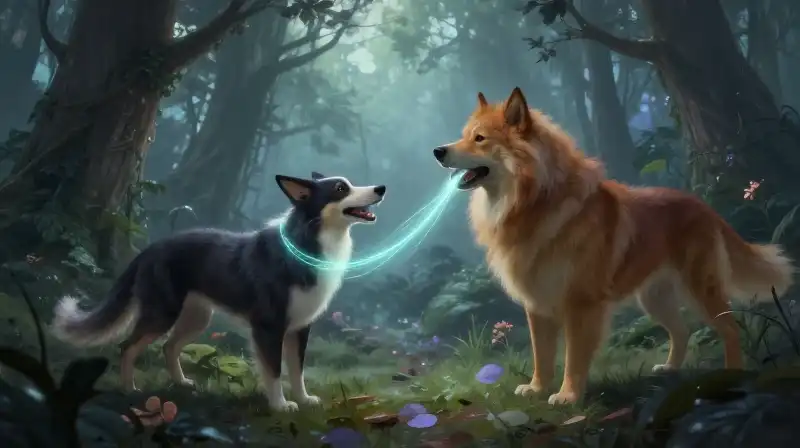
Animal kin is a belief system where an individual experiences a profound internal, spiritual, or supernatural connection to a specific animal or mythical creature. At its core, kin identity suggests that a person feels they possess the essential nature or soul of that chosen species, whether it be a mundane animal like a cat, a fantasy creature like a dragon, or a symbolic entity. This concept operates within the wider “Otherkin” community, an umbrella subculture defined by people who identify as partially or entirely nonhuman. Unlike simply liking a certain animal, identifying as animal kin is fundamentally about an internal sense of self, a subjective feeling of inherent connection, rather than merely acting in an animalistic manner.
Defining the Kinship: Meaning and Scope
The term animal kin refers specifically to the experience of identifying with the essence of an animal. This belief is often treated by adherents through a narrative lens, describing a personal reality that is perceived as more aligned with their nonhuman kintype than with typical human characteristics. It is important to differentiate between key terms:
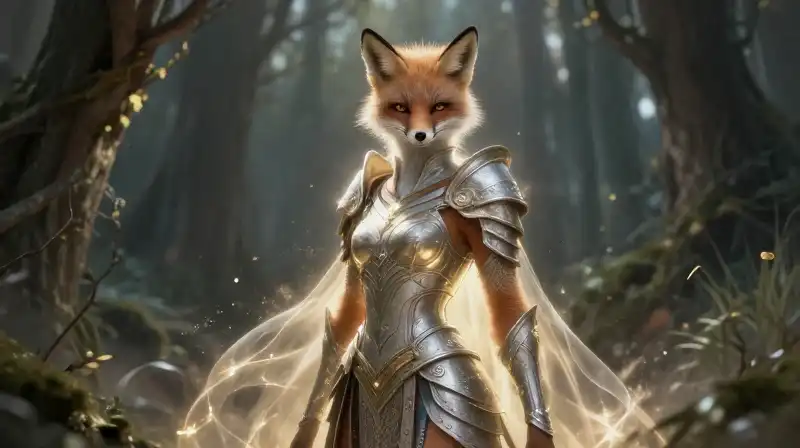
- Animal Kin: The belief that an individual shares a spiritual or essential nature with a specific species (e.g., being a foxkin).
- Kintype: The specific entity or species one identifies with (e.g., dragonkin, rabbitkin, foxkin).
- Otherkin: The broader subculture encompassing all nonhuman identity claims—this can include animals, mythical beings, machines, or abstract concepts.
- Alterhuman: The overarching term for all nonhuman identity subcultures, which includes therianthropy and otherkin.
- Therianthropy (Therian): The specific practice of identifying as an animal, often focusing more on perceived animal traits and behaviors.
The Broader Alterhuman Spectrum
Animal kin does not exist in isolation; it is part of a diverse network of identities that explore what it means to be “other.” This perspective is comparable to how identity is viewed in other marginalized communities, with some adherents viewing the process as analogous to identifying with a gender that feels fundamentally different from the assigned one. This spectrum includes identification with diverse entities:
- Natural World: Animals, fauna, and local spirits.
- Mythology and Lore: Creatures from ancient tales, legends, or specific myth cycles (e.g., identifying with an elf, fae, or kitsune).
- Popular Culture: Creatures or entities drawn from literature, video games, or film.
- Concepts and Machines: Some individuals identify with abstract concepts or technology (though this is less common than biological species).
Kinship vs. Fandom: A Practical Distinction
A frequent source of confusion is the difference between being an animal kin and being a member of the general furry fandom. While both groups share an interest in anthropomorphic characters and nonhuman entities, their fundamental internal drivers differ greatly.
| Feature | Animal Kin Identity | General Furry Fandom |
|---|---|---|
| Focus | Internal self-identification and spiritual connection. | Appreciation of art, characters, and community interaction. |
| Driver | Perceived essential nature, soulful connection. | Aesthetic interest and social community. |
| Expression | Internal realization, subtle expression of traits. | Costuming, roleplaying, artistic creation. |
| For those interested in “Animal kin costume,” it is crucial to recognize that costuming is a *form of external expression* within the fandom, whereas animal kin is an *internal state of being* or connection. |
Exploring the Internal Experience
The experience of animal kin is often non-monolithic, operating on a spectrum. While some adherents feel a singular, profound connection to their kintype—believing they embody its very spirit—others may experience it through a more psychological or spiritual lens. Some pathways of kin identity include:
- Spiritual Affinity: Believing one has a genuine, supernatural link to the entity, often tied to neo-pagan or spiritual practices.
- Personality Resonance: Identifying with a specific behavioral or emotional aspect of an animal. For example, someone might “Foxkin” because they deeply resonate with the perceived traits of cunning, cleverness, or swiftness, rather than claiming to *be* a fox.
- Neurodivergence or Psychological Interpretation: Some individuals find the kin concept helps them understand their own temperaments or experiences.
Navigating Kinship Through Tools and Community
The vast nature of otherkin means that individuals often seek structures, both digital and physical, to help define or explore their identity. For those interested in the spiritual aspects of kin, resources like the Animal Kin Oracle—a 65-card deck featuring elemental divisions (Earth, Air, Water, Fire, Spirit)—offer a framework for introspection. These decks provide “Kin Essence messages” that detail animal attributes and offer guidance based on intuition, allowing individuals to explore the deeper connection to the natural world beyond mere fandom. The associated texts in these resources typically provide comprehensive information on different identity concepts like “primary” or “power” animals. Furthermore, online support networks are the primary organizational structure for many otherkin. These groups provide safe spaces for sharing personal narratives and exploring identity claims, often categorized by the individual’s specific kintype.
Clarifying Related Terms: Addressing Common Queries
Understanding the distinction between terms is essential for precise identification of the experience.
What is it called when you kin an animal?
When an individual identifies with the essence of a specific species, it is said they have “kin.” The entity they identify with is their “kintype.”
What animal is Kine in the Bible?
It is important to note that “Kine” typically refers to domesticated female cattle, and the term “kin” in the context of animal kin is a modern subcultural term referring to spiritual identification. There is no established religious or mythological figure known as “Kine” in the Bible; the word is unrelated to the concept of animal kin.
Animal kin meaning and Animal kin mythical creature
The animal kin meaning is the subjective experience of possessing the spirit or soul of a creature. This concept extends naturally to mythical creatures (e.g., Dragonkin, Wyvernkin), as the Otherkin definition encompasses all nonhuman entities, not just those found in nature.
Synthesis and Prudent Identification
For those beginning to explore the concept of animal kin, the most practical first step is self-reflection regarding the nature of the connection. Is the desire to kin based primarily on aesthetic attraction, or is there a persistent, internal feeling that the entity is a part of your core identity? Always approach this identity with self-compassion and a clear understanding that the experience—while profoundly real to the individual—can be viewed through various lenses, whether spiritual, psychological, or narrative. The identity in the alterhuman community is personal; its validation or categorization rests with the individual.
Frequently Asked Questions
What is an animal kin?
Animal kin is a belief system where an individual experiences a profound internal, spiritual, or supernatural connection to a specific animal or mythical creature. At its core, this identity suggests that a person feels they possess the essential nature or soul of their chosen species.
What is it called when you kin an animal?
When an individual identifies with the essence of a specific species, it is said they have kin. The entity they identify with is their kintype.
What animal is Kine in the Bible?
Kine typically refers to domesticated female cattle. There is no established religious or mythological figure known as Kine in the Bible, and the word is unrelated to the subcultural concept of animal kin.
How to Explore Animal Kin Identity
Self-Reflection on Connection
For those beginning to explore the concept, the first practical step is self-reflection regarding the nature of the connection to the chosen entity.
Determine Motivation
Evaluate whether the desire to kin is based primarily on aesthetic attraction or if it stems from a persistent, internal feeling that the entity is part of your core identity.
Maintain Compassion
Always approach this identity with self-compassion and a clear, open mind regarding its validity.
Understand Lenses
Recognize that the experience can be viewed through various lenses—whether spiritual, psychological, or narrative—and that your identity is personal.
Related Articles