
Cow vs. Bull: Biology and Definitions of Male and Female Cattle

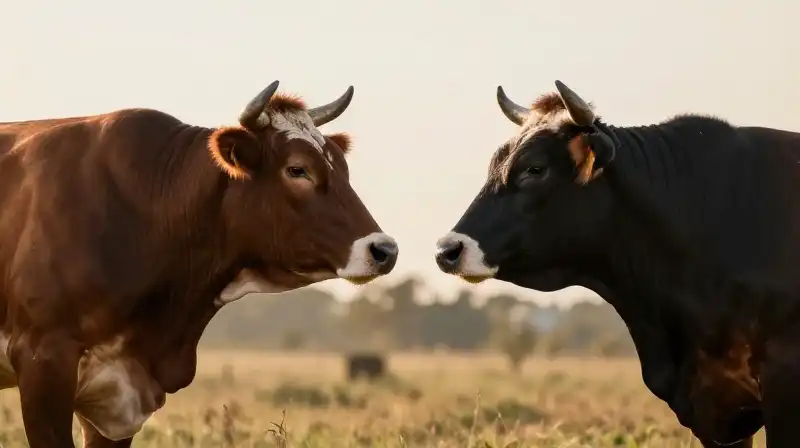
Introduction
If you are asking whether a bull is a cow, the short answer is no. A bull is a male, while a cow is a mature female. While both refer to the species *Bos taurus*, or domestic cattle, they are distinct biological entities defined by their gender, age, and reproductive status. The confusion often arises because the term “cow” is sometimes used colloquially to refer to any adult bovine, regardless of sex. However, for precise biological and agricultural purposes, the terms are strictly defined by their gender and maturity. A cow is specifically defined as an adult female bovine capable of reproduction and producing milk. A bull, conversely, is a mature, intact (uncastrated) male cattle kept primarily for breeding. The differences between these two animals go beyond simple gender; they involve profound physiological, behavioral, and economic distinctions, particularly when considering their utility in dairy and beef production.
The Fundamental Distinction: Sex and Reproductive Status
The core difference between a bull and a cow lies in their sexuality and their hormonal profiles.
Cow: A cow is a mature female. Once she has given birth and is capable of producing milk, she is officially designated as a cow. Her reproductive cycle is key to dairy and some breeding operations. Unlike males, only female mammals possess mammary glands, making the milk production capacity of a cow a defining biological trait.
Bull: A bull is a mature male bovine that has not been castrated. Being “intact” means he retains his full set of reproductive capabilities and natural hormonal drive. Bulls are highly desirable for breeding programs but are also notoriously aggressive and territorial due to high levels of natural testosterone and reproductive instincts. This intense drive often results in competitive dominance within a herd.
Physiology and Physical Characteristics
While both bulls and cows share the basic physical structure of the species, there are observable differences, especially when comparing intact males to females or castrated males.
- Build and Musculature: Bulls are generally larger and significantly more muscular than cows of the same breed, with a robust, powerful frame built for mating and dominance.
- Horn Use: Bulls, especially bulls with horns, exhibit intense aggression and territorial behavior to defend their status and breeding rights.
- Breast/Udder: Only cows possess udders, making the udder the definitive physical indicator of a mature female bovine in this species.
Beyond Male and Female: Understanding Other Bovine Terms
To fully understand the landscape of cattle, it is important to differentiate between the primary terms (cow/bull) and the secondary classifications used for age and status:
Heifers and Calves
A heifer is an immature female bovine. She is still growing and has not yet reached reproductive maturity. A calf is a general term for any very young bovine, regardless of gender, born to a mother.
Steers and Oxen
The creation of a steer or an ox is a critical agricultural process. Both are castrated male cattle, which alters their hormonal development and behavior significantly. Because the high levels of testosterone that drive a bull’s aggression are removed, steers are much more docile and easier to handle. Physically, steers often take on a body type that more closely resembles that of a mature cow, which makes them ideal for commercial meat production where docility and rapid growth are prioritized.
| Term | Gender | Age/Status | Primary Use |
|---|---|---|---|
| Cow | Female | Mature (after giving birth) | Dairy production, breeding |
| Bull | Male | Mature (Intact) | Stud breeding, meat |
| Heifer | Female | Young (Pre-reproductive) | Future dairy/beef |
| Steer/Ox | Male | Mature (Castrated) | Commercial meat production |
Practical Differences: Behavior and Agricultural Utility
The functional purpose of a bull versus a cow dictates their treatment on a farm.
Breeding vs. Production: A bull’s primary utility is his reproductive capability. He is used to inseminate cows (or mate directly) to produce calves. His aggressive nature is a consequence of this biological imperative. In contrast, a cow’s primary value in a dairy setting is her milk output. Her productivity is directly linked to her reproductive success, as she requires calves to maintain and stimulate milk production.
Meat Production: After their primary agricultural utility ends, both male and female cattle are consumed for meat. While both can be slaughtered for beef, the preparation often differs:
- Cows: Used for traditional beef, though their age at slaughter is often dictated by the end of their dairy production.
- Bulls: Can be used for beef, but often, they are castrated into steers first, as the removal of aggressive behaviors makes them safer and more efficient to raise for meat.
Addressing Common Confusion: Frequently Asked Questions
Many search queries stem from the desire to clarify these definitions. Here is a breakdown of the common points of confusion:
- Does a bull count as a cow? No. A cow is a female, and a bull is a male. They are two different sexes.
- Are there female bulls or male cows that are not bulls? “Female bulls” do not exist in the standard taxonomy; if a female bovine is mature and produces milk, she is a cow. A “male cow” is a common colloquialism, but the technically correct term is a bull.
- Is steak from a cow or bull? Steak can be sourced from either, but if a large, muscular male is raised for meat without being castrated, he is a bull. Most commercially raised beef comes from steers (castrated males) or cows.
- Do all bulls have horns? Many do, but not necessarily all. Horn status depends on the specific breed and the farm’s management practices, not solely on the bull’s gender.
Synthesis and Practical Criteria for Differentiation
To summarize the distinction for practical application, you can follow these criteria: look at sex first, then age, and finally, status.
- Gender Check: If it is a female, it is a cow (if mature) or a heifer (if young). If it is a male, it is a bull (if intact) or a steer/ox (if castrated).
- Behavioral Observation: Intense aggression, dominance, and strong territorial instincts are almost always signs of an intact bull. Steers, being castrated, are generally docile.
- Utility Check: If the animal is primarily valued for milk production, it is a cow. If it is primarily valued for breeding, it is a bull.
Understanding these terms correctly is essential for proper animal husbandry and appreciating the biological roles these powerful animals play in agricultural ecosystems.
Frequently Asked Questions
Does a bull count as a cow?
No, a bull does not count as a cow because they are two different sexes. A bull is a mature, intact male, while a cow is specifically defined as a mature female bovine capable of reproduction and producing milk.
Are all bulls just male cows?
No, bulls are not the same as cows; they are two distinct biological entities. A bull is defined as a mature male bovine, while a cow is strictly defined as a mature female bovine.
How do you know if it's a bull or a cow?
A cow is a mature female bovine capable of reproduction and producing milk, while a bull is a mature, intact male cattle kept primarily for breeding. The definitive physical indicator of a mature female is the presence of udders.
Are bulls just male cows?
No, a bull is a male, while a cow is a mature female, making them two distinct biological entities. They are differentiated by their gender, reproductive status, and physiological characteristics.
Are bulls part of the cow family?
A bull is not a cow, as they are distinct biological entities defined by gender: a bull is a mature male, while a cow is a mature female. Although both animals refer to the species Bos taurus, they are separated by status and sex.
Related Articles