
Great White Sharks at Alcatraz: Are They Really a Danger to Swimmers?

Introduction
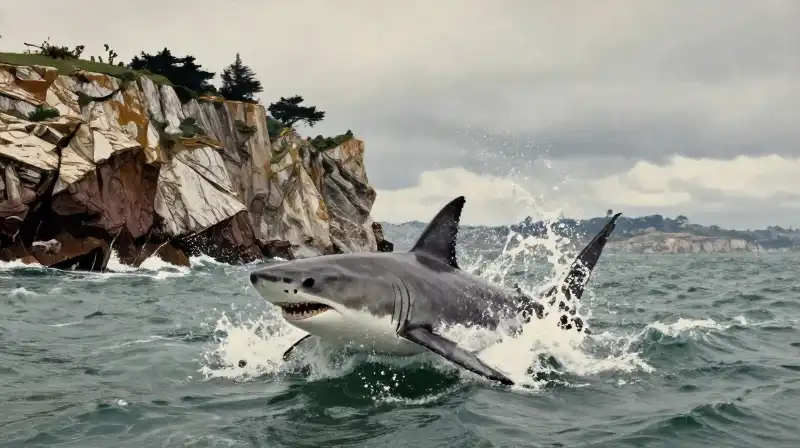
The narrative surrounding Great White Sharks near Alcatraz often features sensationalism, leading many to wonder if the waters of San Francisco Bay pose a lethal threat to swimmers. While Great White sharks have been documented transiting and even spending time in the bay, particularly near Alcatraz Dock, the widely feared myth that they are man-eaters is largely unfounded. The reality is more nuanced: while the presence of apex predators requires awareness, the most serious and documented risks to a person swimming in the San Francisco Bay are environmental.
Shark Presence in San Francisco Bay: Myth vs. Reality
It is a verified fact that Great White sharks are present in the waters around San Francisco. However, recent scientific observations, monitoring by groups like Shark Stewards, and public sightings confirm that these encounters are typically observational rather than predatory. When Great Whites are spotted near Alcatraz, they are generally observed engaging in the natural feeding behaviors of the ecosystem, preying on local marine life such as harbor seals or pinnipeds.
Experts clarify that white sharks are not considered aggressive man-eaters; their interactions with humans are overwhelmingly non-predatory. Historical records and extensive local experience indicate that there is no confirmed history of documented white shark bites on swimmers within the confines of San Francisco Bay. For context, many common species found in the Bay, such as Leopard sharks and Broadnose sevengills, are bottom-feeding and pose no known risk to swimmers.
The Actual Threats to Bay Swimmers: Why Environmental Hazards Matter More
For a swimmer near Alcatraz, the actual risk profile is overwhelmingly dictated by the marine environment rather than shark presence. The Bay presents several significant hazards that demand greater caution than the presence of sharks.
The primary risks include:
- Cold Water: The frigid temperatures of the San Francisco Bay are a constant threat to human endurance and safety.
- Strong Currents: The powerful currents, especially those near the Golden Gate Bridge and through the Bay, can quickly overwhelm even strong swimmers.
- Limited Visibility and Fog: Dense fog and lower visibility make navigation dangerous for both swimmers and passing vessel traffic.
- California Sea Lions: Local marine animal interactions have historically involved aggressive California sea lions, posing a greater immediate physical danger than sharks.
These environmental factors require preparation, endurance, and a high degree of situational awareness—often more so than worrying about an encounter with a large marine predator.
Addressing the “Fabricated Danger” Narrative
The notion that Alcatraz guards fabricated myths about man-eating sharks appears to be an exaggeration of reality. While the intent behind maintaining hot showers for prisoners was practical—to prevent inmates from acclimatizing to the extreme cold—the constant fear of shark attacks often serves to overstate the actual danger to those in the area. Shark sightings near the docks, including those that have provided public viewing opportunities, have been documented predation on seals, not humans.
While sharks, including the feared Great White, have been recorded entering and exiting the San Francisco Bay, these transits are part of their migratory and feeding patterns, not indicative of a predatory intent toward people. The risk is therefore not one of a “shark attack,” but one of navigating a complex, cold, and strong coastal environment.
Could You Swim From Alcatraz? Evaluating Feasibility
Swimming from Alcatraz is a challenging endeavor, regardless of the presence of sharks. The primary obstacles are not predatory, but physical. The currents are notoriously strong, and the water is consistently cold. A swimmer must possess exceptional endurance and a high degree of familiarity with open-water swimming. While documentation confirms the consistent presence of sharks nearby, the practical limits of human endurance and the force of the tides are the determining factors in whether a swim is successful or safe.
Navigating the Bay Ecosystem: What to Expect
Most documented encounters involve white sharks of estimated lengths of 8 to 10 feet, which are apex predators in this specific region. Their activity is generally concentrated along the outer coast near seal colonies, but frequent transits through the inner Bay do occur. Surfers and local observers consistently report seeing various shark species. This wildlife presence is generally viewed positively by conservationists as an indicator of the Bay’s overall health.
Practical Safety Guidelines for Bay Swimmers
While the risk of a serious, predatory shark incident near Alcatraz is considered extremely low, maintaining a vigilant and educated approach is critical. Focus on readiness and environmental management rather than predator avoidance. Here are useful criteria for minimizing risk:
- Monitor Environmental Conditions: Always check tide charts and current reports. Strong currents can be life-threatening regardless of wildlife.
- Maintain Situational Awareness: Be highly visible and aware of passing vessel traffic, which is common in the area.
- Prioritize Gear: Given the temperature, appropriate cold-water gear is not optional but highly recommended to prevent hypothermia.
- Focus on Local Hazards: Be particularly aware of aggressive sea lion activity and strong undertows rather than the presence of apex predators.
Synthesis of Bay Risks
In summary, Great White sharks are part of the San Francisco Bay ecosystem, and their presence near Alcatraz is a factual observation, but their danger to swimmers is negligible compared to the natural forces of the Bay. The primary risks—frigid temperatures, powerful currents, and aggressive sea lions—are human-level challenges that require preparation and physical capability. For those who swim in the San Francisco area, the prudent decision is to focus on environmental assessment and personal endurance, treating the Bay as a challenging and dynamic natural environment rather than a hunting ground for predators.
Frequently Asked Questions
Could you swim from Alcatraz?
Swimming from Alcatraz is a challenging endeavor, primarily due to the notoriously strong currents and consistently cold water. A swimmer must possess exceptional endurance and familiarity with open-water swimming, as the obstacles are physical rather than predatory.
How to maintain safety while swimming in San Francisco Bay
Monitor Environmental Conditions
Always check tide charts and current reports. Strong currents can be life-threatening regardless of wildlife.
Maintain Situational Awareness
Be highly visible and aware of passing vessel traffic, which is common in the area.
Prioritize Gear
Given the temperature, appropriate cold-water gear is not optional but highly recommended to prevent hypothermia.
Focus on Local Hazards
Be particularly aware of aggressive sea lion activity and strong undertows rather than the presence of apex predators.
Related Articles