

What Does It Mean to See Red? Symbolism, Perception, and Anger

Introduction
The meaning of the color red is extraordinarily multifaceted, shifting radically depending on whether you are discussing culture, psychology, or your own biology. When someone asks, “if you see the color red this means,” the answer depends entirely on the context: are you referring to a vibrant pigment in a painting, a stop sign in the street, a dream, or the intense feeling of rage? Red is scientifically linked to the most intense physiological responses and culturally represents everything from the luck of a newborn to a warning of imminent danger. Understanding its meaning requires distinguishing between its symbolic weight and its powerful physical and emotional impact.
Symbolism of Red Across Cultures and Psychology
In a symbolic context, red universally denotes high energy and intensity. Psychologically, it is the most stimulating color, compelling attention and evoking powerful emotions. Its specific interpretation varies dramatically based on geographical and spiritual traditions.
Spiritually, red is linked to foundational energy and vitality. It is associated with the Muladhara, or Root Chakra, symbolizing security, grounded stability, and survival. In its deepest sense, it represents life-sustaining elements like fire and blood.
Culturally, red serves contradictory purposes:
- Prosperity and Luck: In Chinese and Japanese cultures, red is a primary color for celebrations, symbolizing good fortune, health, and vigor.
- Passion and Romance: In many Western contexts, red embodies intense love, sensuality, and desire. Light or pastel shades of red often represent romance and sensitivity.
- Danger and Warning: On a societal level, its intense, arresting quality is leveraged to signal caution. Stop signs and fire alarms use red because it demands immediate focus, representing danger and aggression.
- Mourning: Notably, in South African culture, red can be a significant mourning color, signifying loss and grief.
The Physiological Meaning: When “Seeing Red” Means Anger
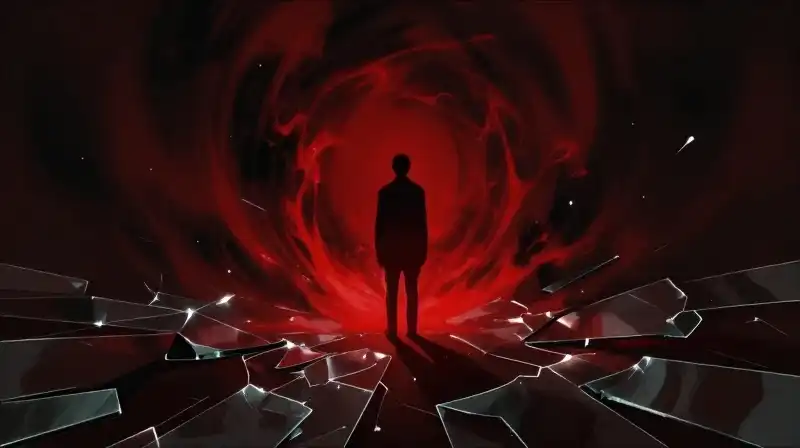
When the phrase “seeing red” is used, it moves away from a symbolic interpretation and refers to a powerful, involuntary physiological state: rage. This state is an extreme manifestation of the body’s fight-or-flight response.
The central nervous system interprets extreme stress, intense emotion, or perceived threat as requiring an immediate, often aggressive, reaction. This heightened state can manifest as irritability, explosive anger, and a feeling that one is “seeing red.” This reaction often originates from underlying emotional triggers such as rejection, feeling undervalued, loss of control, or fear of competition.
Because this response is an involuntary physiological state, the focus shifts from managing the anger itself to managing the root cause. Recognizing the early physical signs of this stress—such as changes in stomach sensation, rapid breathing, or tension in the hands—is key to early intervention. This allows a person to regain composure before the state escalates into full rage.
The Neurological Reality: How We Perceive Red
The perception of red, like all colors, is a complex interplay between physics, biology, and the brain. It begins when light waves strike the receptors in the eye, sending signals that the brain “decodes” as red. However, the scientific understanding of this process introduces critical nuances regarding subjectivity and variability.
Subjectivity and Qualia: The subjective experience of color, or qualia, is the individual, private feeling of seeing red. While objective neurological differences, such as color blindness, are verifiable, whether every individual experiences the *exact* same internal subjective quality of the color remains a highly complex, philosophical, and currently untestable concept. The brain doesn’t just label the signal; it interprets and labels it based on individual experience and genetic make-up.
Biological Variation: Research confirms that color perception is not uniformly absolute. Genetic factors, including specific types of tetrarchromacy, can lead individuals to perceive different shades or saturation levels of red than others. This variability in light receptor sensitivity means that the intensity of the red a person sees can differ slightly from the intensity experienced by someone else.
Managing Emotional Intensity and Red Flags
Given that red symbolizes intensity, be it emotional or physiological, recognizing when it is a signal of heightened state—rather than simply a visual choice—is essential. If the “red” you are facing is anger, effective management focuses on interrupting the physiological alarm state.
There are several practical approaches to de-escalating intense emotional responses:
- Physiological Interruption: Practice slow, deep breathing from the diaphragm. This directly signals the parasympathetic nervous system to calm the fight-or-flight response.
- Cognitive Restructuring: Actively challenging angry thought patterns to view a situation with more realism and perspective. Instead of viewing a minor slight as a catastrophic attack, re-framing it helps lower the emotional charge.
- Identifying the Source: Taking time to journal or reflect on the specific root emotion—whether it is fear of competition, rejection, or jealousy—behind the rage, rather than just the external stimulus.
- Time and Space: Taking a physical break, such as a short walk, can provide the necessary distance to bring a heightened emotional state back down before responding.
For recurring or severe episodes, seeking professional mental health support is recommended. Remember that anger is a normal part of the human experience; the goal is to manage the response so it no longer dictates your actions or well-being.
Synthesis: Choosing the Right Red Context
When encountering red, determine its function: Is it a cultural symbol, a warning, or an internal emotional state? If you are seeing red as a passion, it signifies life and courage. If you are seeing red in a dream, the spiritual meaning will dictate the significance. Most importantly, if “seeing red” translates to intense anger or frustration, treat it as a physical alarm demanding a conscious response. By understanding the difference between the symbolic vibrancy of the color and the physiological warning of the intensity, you can move from reaction to informed response, whether managing a creative project or regulating a heated argument.
Frequently Asked Questions
What does the meaning of seeing red mean?
When the phrase seeing red is used, it refers to a powerful, involuntary physiological state of rage. This state is an extreme manifestation of the bodys fight-or-flight response, which can manifest as irritability and explosive anger.
How to De-escalate Intense Emotional Responses
Physiological Interruption
Practice slow, deep breathing from the diaphragm to signal the parasympathetic nervous system and calm the fight-or-flight response.
Cognitive Restructuring
Actively challenge angry thought patterns to view a situation with more realism and perspective, reframing minor slights to lower the emotional charge.
Identifying the Source
Take time to journal or reflect on the specific root emotion—such as fear of competition, rejection, or jealousy—behind the rage rather than focusing on the external stimulus.
Time and Space
Take a physical break, such as a short walk, to provide necessary distance and help bring a heightened emotional state back down before responding.
Related Articles