
How Oil Rigs and Platforms Are Built: Modular Engineering Explained

Introduction
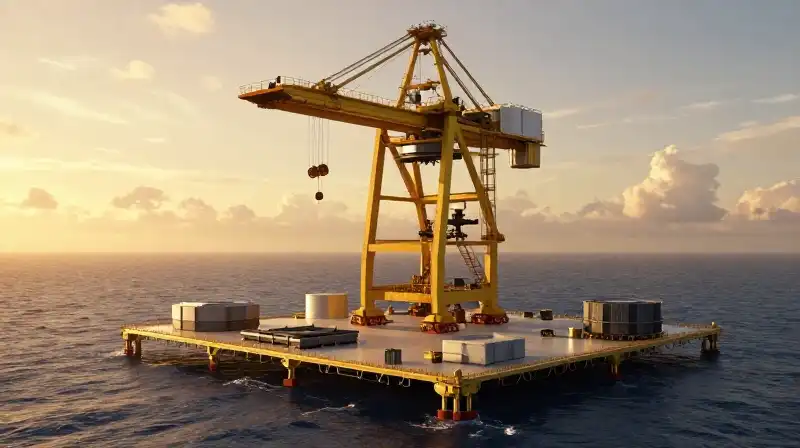
Constructing an offshore oil rig or platform is a process of immense scale and precision, relying heavily on modular engineering rather than monolithic fabrication. These structures are massive, highly engineered systems designed to withstand some of the most extreme environmental conditions on Earth. The construction process begins on land, where components are meticulously engineered, manufactured, and assembled in controlled environments, only to be transported to the deep ocean for final installation. Understanding how these platforms are built requires examining the lifecycle of the structure, from initial computer modeling to the specialized deployment methods dictated by water depth and geological conditions.
The Foundation: Land-Based Modular Fabrication
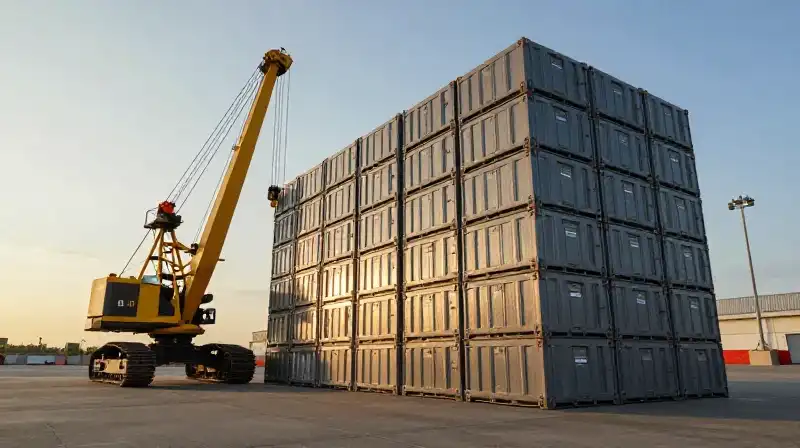
The initial phase of building an oil rig involves rigorous planning using detailed computer modeling to simulate structural integrity against wind, wave forces, and seismic activity. Given the sheer size and complexity, these structures are not built as single units; they are designed using a modular approach. Components—such as the substructure, living quarters, drilling equipment, and deck modules—are fabricated in highly controlled industrial settings, typically in specialized shipyards or dry docks.
This modular assembly allows for efficient production. Components are built, stress-tested, and outfitted with necessary machinery before being lifted and joined. These completed modules are often sized to fit onto specialized heavy-lift transport vessels. The final, fully assembled unit is then towed or moved to the designated offshore location, transitioning from a land-based construction project to an offshore installation challenge.
Classification by Design: Matching the Structure to the Environment
The method of construction changes fundamentally depending on the intended use and the depth of the water where the rig will operate. There is no single “standard” oil rig; they are highly specialized structures.
Fixed platforms are generally utilized in shallower waters, while deepwater operations require more complex, movable, or buoyancy-driven designs.
| Platform Type | Primary Construction Method | Typical Water Depth | Key Feature |
|---|---|---|---|
| Fixed Platforms | Steel legs driven into the seabed | Shallow to moderate | Permanent, stable foundation. |
| Jack-up Rigs | Retractable steel legs lowered to the seabed | Shallow to moderate | Provides a stable, elevated platform that “jumps” onto the seabed. |
| Semi-submersibles | Floating on submerged pontoons/tanks | Deep water | Floats on stable pontoons, allowing mobility and stability. |
| Drillships | Large, motorized surface vessels | Deep water / Mobile | High mobility, designed for exploratory drilling in specific coordinates. |
Deployment and Stability Mechanics
Once the rig reaches its offshore coordinates, the installation method depends on whether the structure is meant to be fixed or mobile.
Fixed and Semi-Submersible Installation
Fixed platforms require the substructure legs to be driven deep into the seabed, often using specialized hammering techniques, ensuring maximum stability. Semi-submersibles, designed for deep water, are transported to the site. They utilize internal ballast and adjustable buoyancy. Operators carefully manage the amount of water inside the submerged pontoons, allowing the rig to settle and stabilize precisely at its operational depth before drilling begins.
Advanced Floating Rigs and Dynamic Positioning
For mobile deepwater units, such as some modern floating rigs, physical anchors may not be sufficient or feasible. These rigs utilize Dynamic Positioning (DP) systems. DP systems are sophisticated navigation and control setups involving powerful thrusters powered by GPS and computer controls. These thrusters continuously adjust thrust in multiple directions to maintain the vessel’s precise station, compensating for currents and wind, without needing traditional heavy anchors.
If a floating rig in a deep water area does not employ DP, it must still be held in place using substantial mooring systems—a network of cables connecting the rig to secure points on the ocean floor.
The Engineering of Durability: Preventing Corrosion and Wear
A common concern when discussing offshore structures is material degradation. How oil rigs stay in place and resist environmental damage is managed through meticulous engineering, primarily focused on corrosion control.
These massive structures are constructed primarily from high-grade, heavy-duty steel. However, steel is prone to corrosion in the marine environment. To combat this, construction involves several layers of protection:
- Protective Coatings: Application of multi-layer, highly durable marine epoxy and anti-fouling paints on all exposed surfaces.
- Cathodic Protection: Installing electrical currents (via sacrificial anodes, typically made of zinc or aluminum) around the submerged parts of the structure to prevent galvanic corrosion.
- Material Selection: Using specialized, salt-resistant alloys for critical internal and structural components.
The combination of specialized material science, continuous inspection regimes, and advanced maintenance protocols ensures the structural integrity of these platforms over decades of use in harsh oceanic conditions.
Synthesis: Critical Factors in Rig Engineering
The successful construction and operation of an oil rig are rarely about the materials alone; they are defined by the environmental context. If a platform is designed for shallow waters, the engineering prioritizes robust, fixed seabed foundations (like jack-ups). If it is designed for dynamic, deep-sea conditions, the engineering shifts focus entirely to stability, controlled buoyancy, and advanced station-keeping systems like Dynamic Positioning.
In essence, the construction process is a transition: from the controlled, precise, modular assembly on dry land, to the complex, environmentally dictated deployment offshore. A rig’s design—and therefore its entire construction method—is chosen specifically to balance operational needs against the unique demands of the ocean floor it serves.
Frequently Asked Questions
How were oil rigs constructed?
Oil rigs are constructed on land using a modular approach where components are meticulously engineered, manufactured, and assembled before being transported to the ocean. The final construction method is dictated by water depth, ranging from driving fixed platform legs into the seabed to utilizing adjustable buoyancy for semi-submersibles or Dynamic Positioning systems for mobile deepwater units.
How are oil rigs even built?
The process involves modular engineering, where components are meticulously assembled on land before being transported to the deep ocean for final installation. The specific building method depends on the environment, utilizing methods like driving steel legs for shallow waters or employing advanced buoyancy and dynamic positioning for deep water.
How are oil platforms constructed?
Construction begins with land-based modular fabrication, where components are engineered and assembled in controlled industrial settings before being moved to the ocean. Final installation methods vary by water depth, including driving steel legs into the seabed for fixed platforms, or utilizing buoyancy and Dynamic Positioning systems for mobile deepwater units.
How do oil platforms stay in place?
Fixed platforms and jack-up rigs use steel legs driven or lowered into the seabed for stability in shallower waters. In deep water, platforms may float on submerged pontoons, or mobile units can utilize Dynamic Positioning systems and substantial mooring systems to maintain their precise location.
How do oil rigs not rust?
Oil rigs resist corrosion through meticulous engineering, which includes applying durable protective coatings and using specialized, salt-resistant alloys. They also employ cathodic protection, installing electrical currents via sacrificial anodes to prevent galvanic corrosion on submerged parts of the structure.
How to construct an offshore oil rig
Initial Planning and Modeling
Conduct rigorous planning using detailed computer modeling to simulate the structural integrity of the platform against environmental factors like wind, wave forces, and seismic activity.
Modular Fabrication
Fabricate specialized components (substructure, living quarters, drilling equipment, and deck modules) in highly controlled industrial settings or shipyards.
Assembly and Outfitting
Lift and join the completed modules, ensuring they are stress-tested and outfitted with all necessary machinery to form a fully assembled unit.
Transport to Site
Move the final, fully assembled unit using specialized heavy-lift transport vessels or to be towed to the designated offshore location.
Offshore Deployment
Install the structure according to its type: drive substructure legs into the seabed for fixed platforms, or manage internal ballast and buoyancy for semi-submersibles and mobile units.
Establish Stability
For mobile units, utilize advanced Dynamic Positioning (DP) systems or mooring systems to maintain precise station against currents and wind.
Implement Corrosion Control
Apply protective measures, including multi-layer marine epoxy coatings and installing cathodic protection (sacrificial anodes) to prevent marine corrosion.
Related Articles