
Crane Transportation Methods: Modular Logistics and Heavy Hauling

Introduction
The transportation of large-scale construction cranes is not a monolithic event; it is a complex, highly systematic logistical operation centered on modular design. Because cranes are engineered in segments—from the tower base and boom sections to counterweights and hydraulic components—they are rarely moved as single, complete units unless they are small mobile models. Instead, they are disassembled into manageable components and transported using specialized heavy-duty hauling methods.
The core of crane transportation lies in understanding this modularity. Each piece is designed to fit into the spaces created by the crane’s own mechanical movement, particularly during self-assembly. Whether a tower crane is being moved city-to-city or a massive crawler crane is being delivered to a job site, the process requires meticulous planning, specialized equipment, and strict adherence to legal and safety protocols. This guide explores the specific methods and logistical considerations required to move these massive machines.
Modular Logistics: The Principles of Crane Disassembly and Transport
Most cranes utilized in large-scale construction are not moved whole. Their ability to be disassembled is a critical design feature, allowing them to be transported piece-by-piece on flatbed trailers. This modular strategy minimizes road width restrictions, allows for movement through densely populated areas, and ensures the weight and dimensions remain within legal limits for highway travel.
During deconstruction, engineers carefully document every connection point. For large tower cranes, the process involves systematically detaching the “jib” (the main horizontal boom) from the tower, followed by the dismantling of the mast into segments. These sections, along with ancillary parts like counterweights and base components, are then loaded onto trailers for transit. This systematic approach ensures that when the crane reaches its destination, it can be “built” back up into its operational form.
Transport Methods by Crane Type
The methodology for moving a crane is dictated primarily by its structural type, weight distribution, and overall dimensions. Different crane categories require highly specific logistical approaches.
| Crane Type | Transport Strategy | Common Trailers/Equipment | Key Consideration |
|---|---|---|---|
| Mobile Cranes (All-Terrain/Boom Trucks) | Driven directly to the site or moved with minimal disassembly. | Standard heavy-duty trucks; sometimes specialized boom carriers. | Ease of maneuverability; transport limited by local road dimensions. |
| Tower Cranes | Transported in major structural segments (jib, mast segments, base). | Flatbed trucks, Low-bed trailers, RGN (Removable Gooseneck) trailers. | Height and length restrictions; requires route assessment for bridges/overpasses. |
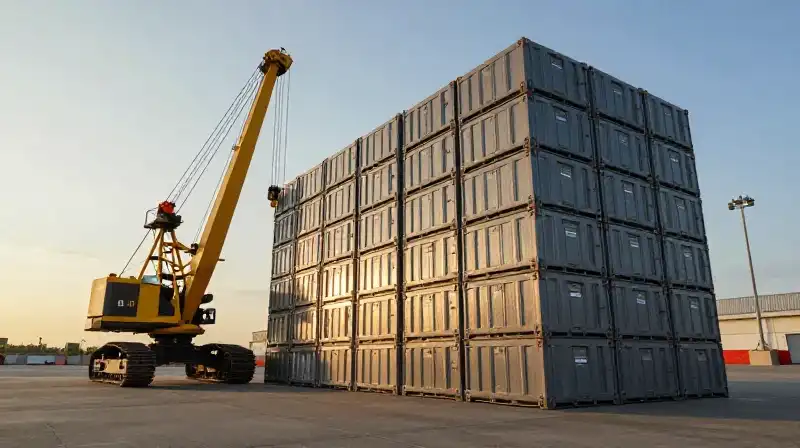
| Crawler Cranes | Requires significant disassembly. Main body, boom, and counterweights are separate loads. | Lowboys or Multi-axle heavy haul trucks. | Extreme weight (load balancing); often requires multiple separate loads. |
| Telescopic Boom Cranes | Can be moved intact if dimensions allow; otherwise, sectional transport. | Low-profile trailers or Gooseneck trailers. | Maintaining stability and meeting dimensional restrictions (overall height/width). |
Managing Extreme and Super Loads
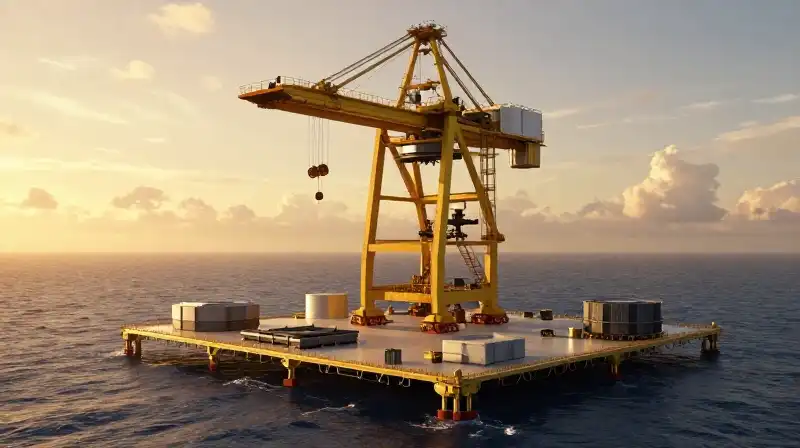
For the heaviest cranes, such as massive crawler cranes or specialized super-lift cranes, standard trailers are insufficient. Transport must be handled by dedicated heavy-haul teams. This often involves:
- Utilizing multiple trailers and auxiliary axles (stingers) to distribute massive weight.
- Employing dedicated heavy haul trucks designed for extreme load capacities.
- In complex cases, transporting components via rail or barge if road access is impossible or if the load exceeds all legal road limits.
The Planning Phase: Route Assessment and Compliance
The logistics of moving large equipment are heavily governed by regulatory requirements. Before any transport begins, rigorous planning is essential to prevent delays, accidents, and fines.
Route Assessment: The most critical step is analyzing the proposed path. Transport teams must identify all physical obstacles, such as low bridges, tight road clearances, steep inclines, and narrow streets. For exceptionally wide or tall components, temporary route modification—such as reversing traffic or requiring escort vehicles—may be necessary.
Permitting and Legal Compliance: Transporting oversized or overweight machinery on public roads requires explicit legal authorization. Securing the necessary permits is not optional; it is a prerequisite for the entire operation. These permits dictate travel times (often restricting movement to night hours), required escort vehicles, and the maximum allowable weight on different sections of the route.
Assembly and Operation: Getting the Crane Operational
Once components reach the job site, the process shifts from transport logistics to assembly. Many cranes, especially tower and self-erecting models, are designed with “self-assembly” functions.
In this process, the crane uses its own hydraulic functions to create the necessary space or positioning for the subsequent piece. For example, a self-erecting crane uses hydraulic legs to lift and rotate its mast into place. During manual assembly, workers use the crane’s own lift capacity to carefully hoist and connect each segment—such as a boom section or a mast piece—onto the previously erected tower section, thus building the crane upwards.
Special Case: Demolition and Reinstallation
Addressing scenarios such as deconstruction (e.g., the dismantling of a crane from a skyscraper like the Burj Khalifa), this requires reverse logistics. The crane is carefully broken down into its smaller modular pieces, and each component is then individually lowered and transported off the site using the same heavy haul methods described above. The ability to systematically disassemble and move components is what makes crane removal a feasible engineering task.
Practical Logistics and Risk Mitigation
Successful crane transportation requires addressing more than just mechanical hauling; it involves managing environmental and operational risks.
Weight Distribution: Accurate load balancing is vital. Every component must be securely fastened according to strict manufacturer instructions. Imbalanced loads are a primary safety concern, especially when using trailers with limited structural capacity. Utilizing load distributing plates and ensuring the crane’s weight is evenly placed across the axles is non-negotiable.
Environmental Contingencies: Transport scheduling must account for weather. Adverse conditions, such as high winds, heavy rain, or extreme temperatures, can destabilize heavy loads and disrupt schedules. Real-time monitoring and GPS tracking are increasingly used to anticipate these issues and optimize travel plans.
Final Practical Warning: Always prioritize the manufacturer’s disassembly and securing protocols. Ad-hoc solutions for securing a multi-ton tower segment can lead to catastrophic failure during transit. The complexity of crane transportation demands coordination between civil engineers, heavy equipment specialists, and legal authorities.
Frequently Asked Questions
How do they transport a crane?
Large construction cranes are rarely moved as single units; instead, they are disassembled into modular components and transported piece-by-piece using specialized heavy-duty hauling methods, such as flatbed or low-bed trailers. Depending on the type, they may move directly to the site or require significant disassembly and transportation via specialized equipment like multi-axle trucks or, in extreme cases, rail and barge.
How did they get the cranes down from the Burj Khalifa?
The crane was removed by breaking it down into its smaller modular pieces, and each component was individually lowered and transported off the site using heavy haul methods.
How to Plan the Transportation of Large Construction Cranes
Analyze the Proposed Route
The transport team must analyze the intended path to identify all physical obstacles, including low bridges, tight road clearances, steep inclines, and narrow streets.
Assess and Plan for Route Modification
For exceptionally wide or tall components, determine if temporary modifications are required, such as reversing traffic flow or requiring escort vehicles.
Secure Necessary Permits and Legal Authorization
Obtain explicit legal authorization for transporting oversized or overweight machinery on public roads, as securing these permits is a prerequisite for the entire operation.
Understand Operational Constraints
Review the permits to understand critical restrictions, such as mandated travel times (often restricted to night hours), required escort vehicles, and maximum allowable weight limitations on different sections of the route.
Related Articles