
Clementine vs. Tangerine vs. Mandarin: Decoding the Difference

Introduction
The terms mandarin, tangerine, and clementine are often used interchangeably in grocery stores, leading to significant confusion among consumers. While all three belong to the citrus family and share characteristics like high vitamin C content and portability, they are not identical. The differences lie in their specific botanical classifications, which manifest practically as variations in size, flavor complexity, skin thickness, and ease of peeling. Understanding these nuances allows you to choose the specific fruit that best fits your needs, whether you are seeking a simple, sweet snack or a zesty fruit for culinary preparations.
Botanical Relationships: Defining the Parent and the Hybrids
To understand the differences, it is essential to look at the fruit’s origins. All three varieties are rooted in the general category of the Mandarin (Citrus reticulata).
The Mandarin (Citrus reticulata)
The Mandarin is considered the foundational parent species from which many other varieties descend. It is a broader category that encompasses many characteristics and is less about a single specific variety and more about the genus. Mandarins are typically known for a delicate sweetness, often possessing a slight hint of tang, and generally feature an easily peelable skin.
Clementines and Tangerines as Specific Hybrids
Clementines and Tangerines are both human-made hybrids derived from the Mandarin, but they involve different crosses:
- Clementines: These are a specific, modern cultivar developed through a cross between a mandarin and a sweet orange. They are meticulously bred for specific traits like extreme sweetness, low acidity, and seedlessness.
- Tangerines: These are generally classified as a subtype or hybrid derived from the Mandarin, often crossing with other citrus types (like oranges). They are typically noted for being larger and having a more complex, zesty flavor profile than clementines.
Practical Comparison: Taste, Texture, and Usage
The differences in botanical makeup translate directly into practical, observable attributes that impact how the fruit tastes and how easy it is to eat.
Flavor and Nutritional Profile
Each variety offers a distinct flavor experience:
- Clementines: Known for uniform sweetness and low acidity. Their low calorie count (typically around 35 kcal) and intense sweetness make them ideal for pure snacking and younger palates.
- Tangerines: Offer a more pronounced sweet-tart profile. They possess a deeper, bold citrus aroma and more complex flavor notes, making them excellent for culinary applications.
- Mandarins: Provide a balanced flavor—sweetness with a noticeable tang. They are highly valued for juicing and fruit salads due to their moderate nutritional density and palatable flavor.
Physical Attributes: Size and Peeling
While size varies greatly within each category, general tendencies apply:
| Feature | Clementine | Tangerine | Mandarin |
|---|---|---|---|
| Typical Size | Small, compact, oval | Medium, larger than clementines | Variable, often moderate |
| Peel Ease | Exceptional (often near-perfect) | High, though slightly less uniform | High |
| Skin Thickness | Generally thin | Varies, often slightly thicker than clementine | Moderate |
| Best Use | Snacking, lunchboxes | Culinary uses (zesting, marmalade), juicing | Juicing, fruit salads |
Deciding Which Citrus to Choose
The best choice between a clementine, tangerine, or mandarin depends entirely on your specific consumption goals.
For Easy Snacking (The Clementine Choice)
If your primary requirement is convenience—a fruit that is intensely sweet, easy to eat on the go, and requires minimal prep—the clementine is the superior choice. They are consistently small and perfectly optimized for snacking.
For Flavor and Cooking (The Tangerine Choice)
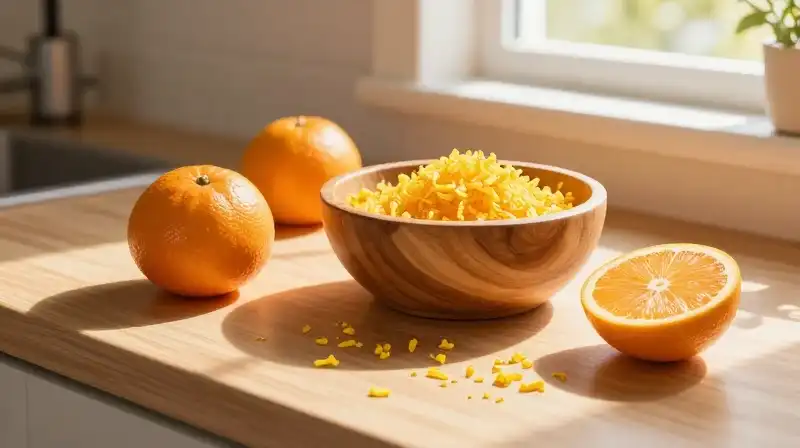
If you plan to use the fruit for cooking, zesting, or seeking a more intense, zesty flavor profile, the tangerine is typically the better fit. Its bolder flavor compounds and robust aroma make it more suited for deepening the complexity of a dish or marmalade.
For Balanced Utility (The Mandarin Choice)
Mandarin oranges occupy a broad space. They are excellent for juicing because they offer a reliable balance of sweetness and tang, making them versatile for both drinking and incorporating into broader fruit salads. They are often the least acidic of the three, making them generally well-suited for all uses.
Addressing Common Citrus Confusions
Several market-specific names and common user queries relate to these classifications.
What are Halos and Cuties?
Terms like ‘Halos’ and ‘Cuties’ are often brand or marketing names, rather than strict botanical classifications. However, most ‘Cutie’ varieties are bred for small size, sweetness, and ease of peeling, meaning they are functionally very similar to highly optimized clementines—a specific type of seedless mandarin or clementine.
Tangerine vs. Mandarin Orange
In retail, the terms are frequently used interchangeably, which leads to general consumer confusion. While they are related, the Mandarin typically refers to a broader group (or the parent fruit), while a “Tangerine” refers to a specific hybrid known for its larger size and zesty, complex flavor profile. The core difference is often in the size and the flavor intensity.
Selection Synthesis and Practical Tips
The distinction between clementine, tangerine, and mandarin is one of optimization: the clementine is optimized for sweet, convenient snacking; the tangerine is optimized for complex, culinary flavor; and the mandarin is optimized for reliable juicing and balanced sweetness. When shopping, pay attention to skin thickness if easy peeling is paramount. If an entire batch of mandarins is being sold under one label, you may find inconsistencies in peeling effort and flavor compared to single-cultivar items like branded clementines. Always choose the variety whose primary attributes align with your planned usage—convenience, complexity, or juice.
Frequently Asked Questions
What are tangerines called now?
In retail, the terms tangerine and mandarin are frequently used interchangeably, which leads to general consumer confusion. The Mandarin typically refers to a broader group, while a Tangerine refers to a specific hybrid known for its larger size and zesty flavor profile.
Are halos clementines or tangerines?
Halos is often a brand or marketing name rather than a strict botanical classification. Functionally, they are similar to highly optimized clementines, as they are bred for traits such as small size, sweetness, and ease of peeling.
What is the difference between clementines and mandarins and tangerines?
Clementines are intensely sweet and small, optimized for convenient snacking, while tangerines are larger hybrids noted for a more complex, zesty flavor profile suitable for culinary uses. Mandarins are the foundational parent species, generally characterized by a balanced sweetness with a noticeable tang.
Are halos tangerines or clementines?
Terms like Halos are often brand or marketing names, not strict botanical classifications. The article notes that marketed varieties are functionally very similar to highly optimized clementines.
Are tangerines or clementines healthier?
Both clementines and tangerines share the characteristic of having a high vitamin C content. Clementines are specifically noted for their low calorie count, which is typically around 35 kcal.
Which is better, orange or clementine?
The clementine is better for easy snacking because it is intensely sweet, has low acidity, and is optimized for convenience. Conversely, a tangerine is better for culinary applications as it offers a more pronounced, complex, and zesty flavor profile.
How to choose the right citrus fruit (Clementine, Tangerine, or Mandarin)
Identify your primary consumption goal
Determine if you are seeking a convenient snack, a complex flavor for cooking, or a reliable fruit for juicing or salads.
Select the appropriate fruit based on usage
If prioritizing sweet convenience and snacking, choose a Clementine. If seeking zesty flavor for culinary uses or zesting, choose a Tangerine. If needing reliable juicing or balanced utility, choose a Mandarin.
Evaluate practical attributes when shopping
If easy peeling is a paramount concern, pay close attention to the skin thickness; CLEMENTINE varieties are generally optimized for near-perfect peeling.
Match the fruit to its optimization
Ensure the chosen variety aligns with its intended strength: Clementines for snack optimization, Tangerines for flavor complexity, or Mandarins for balanced utility and juicing.
Related Articles