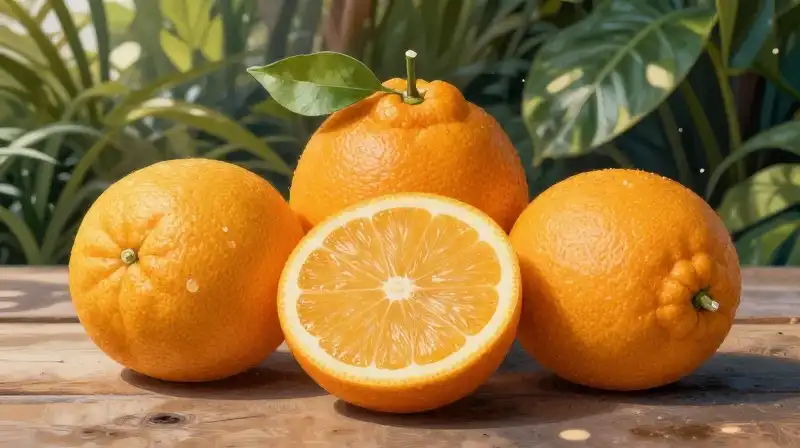
Mandarin vs Clementine: Key Differences in Taste, Texture, and Health

Introduction
When shopping for citrus, the terms mandarin, clementine, and tangerine are often used interchangeably, leading to consumer confusion. While they all belong to the *Citrus* family, they represent distinct varieties with unique characteristics regarding flavor, skin, and texture. The primary distinction lies in their botanical classification: the mandarin is the parent species, whereas the clementine is a specific hybrid. Ultimately, choosing between a mandarin and a clementine comes down to whether you prioritize a subtle, intense fragrance and aromatic complexity or an effortless, intensely sweet snack.
Botanical Distinction: Parent vs. Hybrid
To understand the differences between a mandarin and a clementine, it helps to look at how they are cultivated. The mandarin (*Citrus reticulata*) is one of the world’s oldest cultivated fruits, originating thousands of years ago in China. It serves as the ancestral species for many modern citrus varieties. The clementine (*Citrus clementina*), however, is a newer, human-made creation. Discovered in 1902, it was specifically bred by crossing a mandarin with the bitter orange. Because of this hybrid nature, the clementine has developed specific traits—namely its easily manageable size and uniform sweetness—that differ significantly from its parent, the original mandarin.
Comparing Physical Attributes and PeelingPeel, Texture, and Segment Structure One of the most noticeable differences for the consumer is the physical structure and ease of preparation. Mandarin and clementine peel are thin and provide a relatively soft, quick peel compared to the tough, thick rind of a standard orange. However, they exhibit different nuances: * **Mandarin:** The peel is thinner, which facilitates very easy peeling by hand. Its thinness, however, makes the fruit more prone to pressure marks or drying out once out of storage. Mandarins are generally characterized by having exactly nine segments. * **Clementine:** Clementines typically possess a relatively thicker skin than the mandarin. This thicker layer acts as a protective barrier, allowing the clementine to store for longer—up to two months in favorable conditions—without drying out. They are less uniform in their segment count, typically ranging from eight to twelve. * **Seed Status:** This is perhaps the most defining functional difference. While mandarins may contain seeds (or pips) within their flesh, clementines are typically bred to be seedless, or to contain only a very few, making them a consistent choice for those seeking hassle-free eating.
Flavor and Aroma Profiles: Sweet vs. Tart
The flavor profile of each fruit provides a crucial point for consumer decision-making. While both are sweet, their intensity and complexity are distinct. Clementines are renowned for being exceptionally sweet. Their sugar content makes them a highly reliable choice for snacks, particularly for children, where they offer a consistently intense, uncomplicated sweetness. Conversely, mandarins tend to be more aromatic and can offer a slightly more complex or tart flavor profile. This means mandarins often provide a deeper, more nuanced citrus experience, whereas clementines deliver a pure, high-intensity sugary burst. While both are orange-colored and share a fresh scent, the mandarin often possesses a higher, more distinctive aromatic presence.
Nutritional Snapshot: Health Benefits
From a nutritional perspective, both fruits are healthy sources of Vitamin C and fiber, but they offer subtle differences that affect their health utility: * **Vitamin C:** Clementines are generally noted for being richer in vitamin C. * **Potassium and Calories:** Mandarin oranges often contain more potassium and are slightly higher in overall calories compared to their clementine counterparts. * **General Composition:** Both fruits maintain a medium size and similar overall fresh citrus scent, meaning the health benefits of choosing one over the other are minimal compared to the practical differences in taste and preparation.
Making the Choice: Mandarin vs. Clementine
Which fruit you should purchase depends entirely on your consumer priority. To help decide, consider the following scenarios:
- **Choose Mandarin if:** Your priority is a more nuanced flavor and intense aroma. You prefer a fruit with a slightly more complex, slightly tart flavor profile, and you are comfortable with the very easy peeling process of a thin rind.
- **Choose Clementine if:** Your priority is extreme ease of consumption and seed-free convenience. You want a consistently sweet, reliable flavor and benefit from the clementine’s slightly thicker rind, which offers better protection against bruising and longer shelf life.
- **Compare to Oranges:** Neither mandarin nor clementine should be chosen if you prefer a highly distinct, robust, and thick-skinned fruit. Standard oranges require mechanical peeling or cutting and offer a very different flavor profile from the delicate nature of the mandarin family.
In summary, while clementines have become a common generic term used for easily peelable, seedless mandarins, they remain a specific hybrid that specializes in sweetness and handling. Mandarins are the parent fruit, offering superior fragrance and aromatic depth, but are more likely to contain seeds. By understanding the subtle differences in skin thickness, seed status, and flavor complexity, consumers can make an informed decision that aligns with their culinary needs and preferences.
Related Articles