
Understanding Overdriving Headlights: Safety, Speed, and Visibility

Introduction
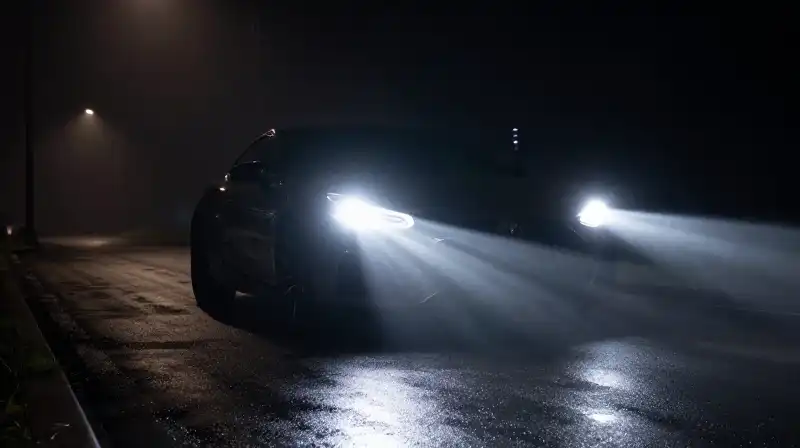
Overdriving headlights is a critical, yet often misunderstood, driving hazard. Simply put, it occurs when the speed at which you are traveling exceeds the effective distance your vehicle’s headlights can illuminate the road ahead. This situation is not merely about driving fast; it describes a dangerous discrepancy where the physical space required to come to a complete stop—your stopping distance—is greater than the range of visible light provided by your lights. Recognizing this gap between sight and safety is essential for proactive defensive driving.
Understanding the Gap: Stopping Distance vs. Visibility Distance
The core concept of overdriving headlights lies in the relationship between two distinct measurements: stopping distance and visibility distance. If your headlights only illuminate 100 feet, and at your current speed, it takes 150 feet for your vehicle to stop, you are inherently overdriving your headlights. You are traveling blind for that extra 50 feet.
The Components of Stopping Distance
Stopping distance is a variable calculation determined by several factors, not just speed. It is fundamentally comprised of two parts:
- Reaction Time: The delay between perceiving a hazard and physically applying the brakes. This is largely unavoidable but can be mitigated by reducing speed.
- Braking Distance: The actual distance the tires require to decelerate and stop once the brakes are applied. This distance increases exponentially with speed.
At higher speeds, even a minimal increase in velocity causes the braking distance to skyward, making it highly probable that the distance you need to stop will significantly outstrip the effective range of standard automotive illumination.
The Compounding Risks of Speed and Visibility
When a driver overdrifts their headlights, the risk profile changes dramatically. The lack of sufficient forward visibility increases the chances of striking hazards that the driver cannot see until it is too late. Hazards include missing sections of pavement (potholes or gravel), poorly marked road crossings, wildlife, or vehicles making sudden maneuvers out of sight.
How Speed Increases Risk
The danger isn’t limited to long-distance hazards; it affects immediate safety as well. If you are moving quickly, even a short, unseen obstacle can be catastrophic. Furthermore, high-speed overdriving often forces drivers to react more suddenly, increasing the likelihood of loss of control, even if the initial hazard was small.
Headlight Misuse: The Danger of Excessive Brightness
While “overdriving headlights” primarily refers to insufficient illumination range due to speed, it is crucial to distinguish this from the dangers of improper usage, specifically excessive brightness or glare. Using improperly positioned or overly powerful lights can be just as dangerous.
Glare and Opposing Traffic
When headlights are too intense or poorly aimed, the light can reflect directly into the windshield of opposing motorists. This phenomenon, known as “glare,” causes temporary impairment, reducing their visibility just as much as speed limits reduce your own. Safety mandates that drivers strictly use low beams when approaching or passing another vehicle to prevent dazzling and ensure both parties maintain clear sight.
Common Causes of Poor Illumination
Beyond speed, several maintenance and placement issues can compromise the safety and effectiveness of a lighting system:
- Dirty Lenses: Dirt, road grime, and dust accumulate on lenses, scattering the light and reducing visibility.
- Improper Alignment: Faulty mounting or misalignment can cause the beam pattern to spread too widely or point improperly, reducing effective forward focus.
- Faulty Fixtures: Component failure or non-regulation intensity can lead to ineffective or blinding illumination.
Preventative Measures and Safe Driving Practices
Avoiding the dangers of overdriving headlights requires a commitment to defensive driving and routine vehicle maintenance. The goal is to keep your speed always commensurate with what your lights can clearly show you.
Practical Driving Decisions
Adopting the “speed matching visibility” rule is the most effective prevention strategy. Consider these practical steps:
- Reduce Speed When Visibility Decreases: If weather conditions (fog, rain, heavy snow) or road conditions (twilight, curves) reduce your visual range, you must reduce your speed proportionally.
- Check Visibility Regularly: Do not assume your lights are perfect. Routinely inspect headlamp lenses and ensure they are clean and free of damage.
- Adhere to Low Beam Etiquette: Always switch to low beams when within range of an oncoming vehicle. This reduces glare and allows for better contrast.
Maintenance and Calibration
Proper vehicle care ensures the system functions as intended.
Periodic maintenance should include:
- Lens Cleaning: Regular washing and polishing of headlights.
- Beam Pattern Check: Professional calibration ensures the beam is directed onto the road surface, minimizing scatter into the opposing lane.
- System Oversight: While modern vehicles offer automatic lighting adjustments, drivers must still ensure these systems comply with immediate traffic and environmental conditions.
Practical Safety Checklist for Night Driving
Ensuring safe nighttime travel involves more than just operating the headlights; it requires an overall focus on environmental awareness and vehicle readiness. Before starting a journey, take these final precautionary steps:
- Assess the Environment: Determine the required speed based on current road conditions, not just the posted limit.
- Verify Illumination: Perform a quick check of both high and low beam functionality and ensure they are clean.
- Scan the Distance: Actively look for objects, animals, or road irregularities far ahead, even if your current speed seems safe. This practice trains the eye to utilize maximum available range.
How to Avoid Overdriving Headlights and Improve Night Driving Safety
Assess the Driving Environment
Determine the required speed by considering current road conditions, weather, and visible distance, rather than relying solely on the posted speed limit.
Maintain Headlight Clarity
Routinely inspect headlamp lenses to remove dirt, grime, and dust, as these accumulation can scatter light and reduce effective illumination.
Ensure Proper Beam Functionality
Perform a quick verification check of both high and low beam functions and ensure the lights are correctly aligned and free from component failure.
Manage Speed Based on Visibility
Reduce speed proportionally if visibility decreases due to factors such as fog, heavy rain, or navigating sharp curves and twilight.
Follow Low Beam Etiquette
Always switch to low beams when you are within range of an oncoming vehicle to prevent excessive glare and ensure clear sight for both drivers.
Actively Scan the Distance
Train your eyes to utilize maximum visual range by actively looking for objects, animals, or road irregularities far ahead of the vehicle.
Related Articles