
Electric Shaver vs Blade: Which Shaving Method Is Right for You?

Introduction
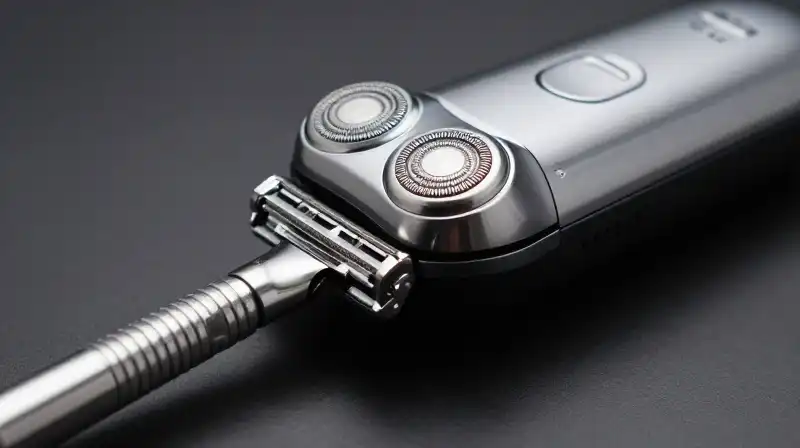
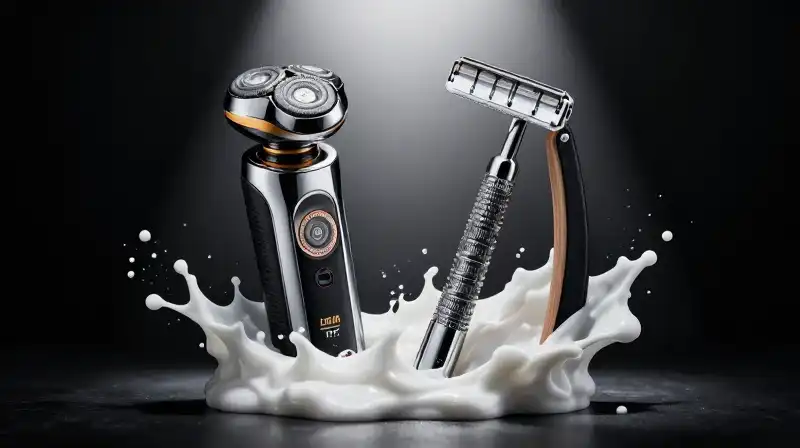
Choosing between an electric shaver and a traditional manual blade represents a fundamental decision in daily grooming, as it dictates the entire experience—from the speed of the process to the ultimate smoothness of the result. Neither method is universally superior; the optimal choice depends entirely on your priorities: Are you prioritizing rapid convenience and minimal preparation, or maximum closeness and traditional tactile comfort? The core difference lies in the technology: manual methods rely on sharp, exposed metal edges to slice hair, while electric shavers utilize oscillating or rotating foils and cutters to trim or shave hair without direct skin contact via blades.
Mechanism and Performance: How They Differ
To understand which method is right for you, it is helpful to look at the operational mechanics. The primary distinction is between wet and dry shaving techniques, which dictates the function of the tool.
| Feature | Manual Blade (Wet Shaving) | Electric Shaver (Dry Shaving) |
|---|---|---|
| Core Function | Slicing the hair at the skin level with a sharp edge. | Cutting or trimming hair beneath a protective foil/grid. |
| Preparation | Requires water, soap, or cream to soften the hair and create lubrication. | No preparatory steps are needed; it works on dry skin. |
| Primary Goal | Maximum closeness and traditional smoothness. | Speed, ease of use, and consistency. |
| Shaving Style | Requires a specific technique and light, consistent pressure. | Requires minimal pressure; the device does the work. |
The Electric Shaver Experience: Speed and Automation
Electric shavers excel where time and ease of use are paramount. They offer a streamlined, low-effort process, which is particularly beneficial for busy mornings or for those who prefer a hands-free routine. Performance is dictated by the internal engineering, including motor power, head flexibility, and the design of the cutting elements.
Types of Electric Shavers and Performance
Electric shavers come in two primary designs, each suited for different hair types:
- Foil Shavers (Multi-Blade): These feature a fixed, perforated head that moves against the face. They often utilize multiple cutting foils (3 to 6) and are generally highly effective at handling thicker, coarser, or longer facial hair, as they are designed to catch and cut hair in various directions in a single pass.
- Rotary Shavers: These use three or more rotating heads that pivot around the contours of the face. They are often excellent for shorter, denser stubble and are designed to follow the natural curve of the jaw and neck.
While convenience is the main benefit of an electric shaver or blade, users should note that effectiveness declines if stubble is too thick or if the growth is extremely long. Furthermore, the total cost of ownership must factor in replacement foils or blades, which can be a significant recurring expense.
The Manual Blade Experience: Precision and Closeness
Traditional shaving with a blade offers a distinct advantage in the quality of the shave, achieving a level of closeness often unmatched by electric alternatives. This method is based on the principle of hydration; softening the hair with water and lather allows the razor to cut the hair right at the skin’s surface.
Understanding Single vs. Multi-Blade Razors
The complexity of the blade greatly affects comfort and effectiveness:
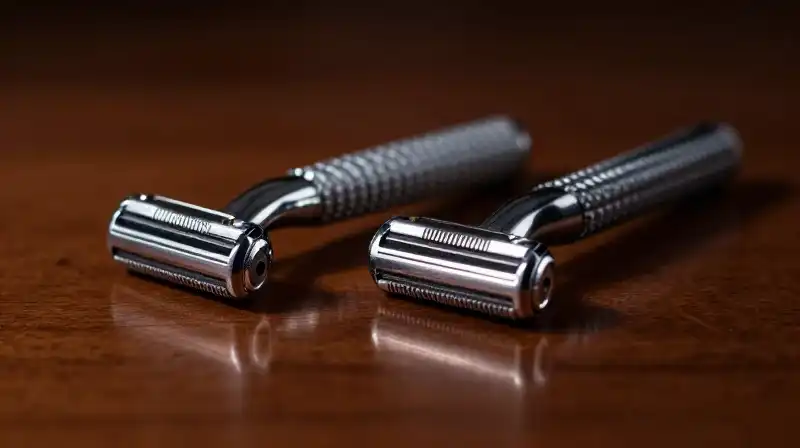
- Single-Edge Safety Razors: These are highly recommended for sensitive skin or light stubble. The single, sharp edge allows for extremely gentle pressure, minimizing the risk of pulling or tugging. The slower pass rate reduces the amount of hair cut at once, leading to a less irritating experience.
- Multi-Blade Razors: These use several blades in quick succession. While they are effective at cutting longer hairs in one go and offer a fast shave, they require applying significant pressure to ensure all blades contact the skin. This increased friction can lead to more discomfort, especially for those with highly sensitive skin.
Effective manual shaving is highly dependent on technique—proper angle, pressure, and rinsing. However, for those prioritizing smoothness, the ritual of wet shaving provides a meticulous, controlled experience.
Addressing Common Shaving Dilemmas and Limits
Many users face specific scenarios when choosing their method. Here are key considerations for specific needs:
Is an Electric Shaver Better Than a Blade for Sensitive Skin?
Generally, a carefully used electric shaver can be less irritating because it operates without the sharp, shearing action of a blade. The lack of direct blade contact means fewer nicks and micro-abrasions. However, many individuals find that the slight irritation associated with multi-blade manual razors is preferable to the potential ‘picking’ or uneven cut from an electric shaver, especially if the device is not regularly maintained.
When is a Blade Superior for Extreme Smoothness?
If your definition of a clean shave is absolute, right-down-to-the-skin smoothness, the wet shave using a sharp, freshly maintained single-edge safety razor remains the gold standard. The hydration process and the precise cutting action allow for a finish that often exceeds the capability of even high-end electric foils.
Shaving for Body Hair (Legs, Underarms, etc.)
Electric shavers and blades both work for body hair, but the preference varies. For legs, electric shavers (often designed as disposables) are favored for their speed and lack of the heavy regrowth sensation associated with sharp blades. For sensitive areas, a precise, low-pressure approach, such as a single-edge blade, can offer more control and reduce irritation, though this requires considerable skill.
Decision Criteria: Choosing Your Ideal Shaving Method
The choice between an electric shaver vs blade boils down to matching your grooming habits and hair profile to the tool’s strengths. Consider the following factors before making a purchase or committing to a method:
- Patience vs. Time: If you prioritize saving minutes in the morning, the electric shaver is the winner. If you enjoy the ritual and have time for detailed preparation, a manual blade is rewarding.
- Hair Density and Length: For light stubble or short facial hair, both work well. If you have exceptionally thick, coarse, or long growth, a multi-blade foil electric shaver will likely handle the volume better than a single-edge blade.
- Sensitivity: Extreme sensitivity often favors the gentler operation of a high-quality single-edge blade or a highly specialized electric shaver head with excellent skin-following technology.
- Budget and Effort: Electric shavers involve a higher initial investment and ongoing cost for consumables (foils). Manual blades require a lower initial investment but demand a higher commitment to technique and hygiene.
Practical Synthesis: Making the Final Call
There is no “right” method; only the method that fits your lifestyle and hair texture. If you prioritize unparalleled convenience and speed, and your budget allows for routine maintenance and replacement parts, an electric shaver is a highly efficient choice. However, if your ultimate goal is the most refined, traditional smoothness and you are willing to invest time in technique and preparation (water, lather, careful strokes), the manual blade offers a superior outcome. The key is evaluating whether you value the automation of the electric shaver or the surgical precision of the blade.
Frequently Asked Questions
Is an electric shaver better than a blade?
The article states that neither method is universally superior, as the choice depends entirely on your priorities, whether you seek rapid convenience and consistency or maximum closeness and traditional smoothness. While electric shavers excel in speed and ease of use, the manual blade remains the gold standard for achieving absolute, surgical precision and a highly refined finish.
How to perform a traditional manual wet shave
Preparation
Wet your face thoroughly and apply soap, cream, or lather to soften the hair and create lubrication.
Shaving
Apply the blade at a proper angle and use consistent, light pressure, moving the razor across the skin in controlled strokes.
Rinsing
Rinse the blade and wash the shaved area to remove hair clippings and soap.
Related Articles