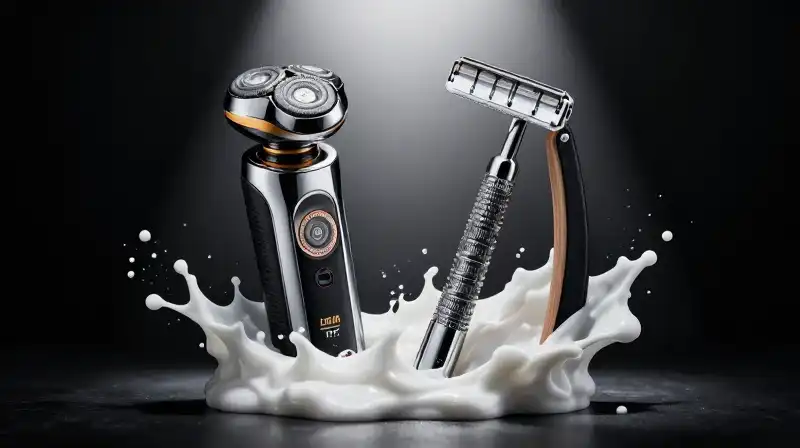

Manual vs. Electric Razor: Closeness, Speed, and Cost Comparison

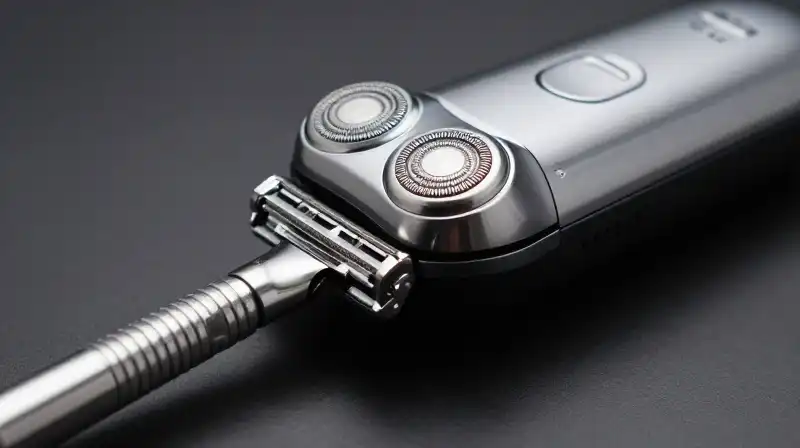
Introduction
Choosing between a manual razor and an electric shaver is not a simple choice of “better” or “worse”; it is a decision based entirely on your grooming priorities. The central trade-off revolves around a conflict between speed and convenience versus ultimate closeness and precision. Manual razors, particularly single-blade safety razors, offer unparalleled potential for a smooth, close shave, provided you are willing to invest the time and technique. Electric shavers, conversely, prioritize efficiency and speed, minimizing the preparation and process to deliver a convenient, albeit less perfect, shave.
This comparison details the fundamental differences in how these tools work, evaluates the nuanced benefits of various blade systems (from cartridge to double-edge to trimmer), and provides practical criteria to help you align your choice with your personal goals for closeness, routine, and budget.
How Manual and Electric Shaving Techniques Differ
The core difference lies in the mechanical application of hair removal. Manual shaving uses a sharp, physical blade to slice the hair at the surface of the skin, demanding technique and pressure. Electric shaving, conversely, functions as a mechanical trimming process, either slicing the hair at the skin’s surface (in the case of wet electric shavers) or simply cutting it to a manageable length (dry shaving).
Wet Shaving vs. Dry Shaving
For manual razors, “wet shaving” is the standard preparation, where applying soap or lather softens the hair and slightly lifts it, allowing the blade to glide closer to the skin. Manual razors excel in this preparation-intensive environment. Electric shavers can follow two distinct paths:
- Dry Shaving: This is a purely mechanical process focused on speed and simplicity. The electric shaver trims the hair without water or lather, making it ideal for quick touch-ups or travel. Its primary advantage is operational efficiency.
- Wet Shaving (Electric): Many high-end electric shavers offer a waterproof head, allowing them to be used with foam or rinse. This method often improves the shaving quality and gliding performance, especially when dealing with thick or stubborn growth, while still maintaining the electric shaver’s focus on speed.
The Spectrum of Manual Blade Systems
If you opt for manual shaving, the specific blade design—whether a multi-cartridge system or a single-edge safety razor—will determine your experience and long-term cost.
Cartridge Razors: The Beginner’s Standard
Cartridge razors (like the classic multi-blade systems) are highly intuitive and easy for beginners. They typically offer immediate results and are the most cost-effective choice upfront, with easily replaceable blades. The benefit of the multi-blade system is that multiple blades work together to cut the hair at different angles. However, they come with significant drawbacks: they require frequent blade changes (typically every 4 to 5 shaves) to maintain performance, can feel more aggressive, and carry a higher risk of nicks or irritation if used incorrectly.
DE (Double-Edge) Razors: Efficiency and Longevity
Double-Edge (DE) razors feature a single, sharpened piece of steel. While they require a learning curve and offer a far more surgical approach to shaving, they are often recommended for those prone to ingrown hairs. The single blade cuts less aggressively than a multi-blade cartridge, resulting in a cleaner cut. Economically, DE razors are superior over time, as individual blades are very inexpensive and can be used for extended periods. The drawback is that they require consistent maintenance and a steady hand to get the desired results.
Electric Shaving Performance and Limitations
Electric shavers provide remarkable convenience by eliminating the need for water, lather, and extensive preparation. However, they operate on fundamentally different mechanics than manual blades, leading to specific limitations.
Closeness vs. Speed
The biggest challenge of electric shavers is that they generally do not achieve the absolute closeness of a manual shave. They typically trim the hair rather than slicing it flush to the skin. While they offer speed, if your goal is to reach the closest possible shave, a manual blade will almost always outperform an electric shaver. Furthermore, consistent shaving requires the electric shaver to maintain cutting efficiency; struggles may arise with hair growth that is several days old or highly inconsistent, requiring careful technique.
Maintenance and Operational Needs
Electric razors are highly portable and versatile, making them suitable for quick trims in specific areas like sideburns. However, unlike a manual razor that only requires a clean blade, electric shavers demand consistent maintenance—including charging, storage, and ensuring the blades are not clogged—to function optimally.
| Factor | Manual Razor (DE/Cartridge) | Electric Shaver |
|---|---|---|
| Closeness | Maximum; can reach skin-level smoothness. | Good, but generally a trim rather than a slice. |
| Speed/Convenience | Slower; requires prep and multiple passes. | Very fast; minimal preparation needed. |
| Cost Profile | Initial cost varies; DE is very low long-term. | Initial cost can be high; replacement blades are a significant long-term investment. |
| Precision | High; controlled by technique. | High for even trimming; limited for tight curves. |
| Preparation | Required (water, soap, oils). | Optional (Water for wet electric; none for dry). |
Practical Considerations for Shaving Techniques
The quality of your shave, regardless of the tool, depends on technique. Understanding basic methodology is crucial for optimizing results and avoiding common errors.
- Direction of the Pass: For manual razors, shaving with the grain of the hair generally reduces irritation. For maximum closeness, passes across the grain may be necessary, though this increases the risk of nicks and should be done with light pressure.
- Starting with Electric vs. Manual: Some users find that running an electric shaver over an area first can improve the gliding performance of a manual razor because the electric blade removes the top layer of stubble, allowing the razor to work more efficiently.
Choosing Your System: Decision Criteria and Warnings
Selecting the right tool requires a honest assessment of your personal routine. Below is a breakdown of who is best suited for each method:
- Choose a Manual Razor (Especially DE) if: Your primary goal is the closest, most comfortable shave possible; you value precision and want to avoid the aggressive “pull” of multi-blade systems; and you are willing to dedicate 10-15 minutes to your routine.
- Choose a Cartridge Razor if: You are a beginner to shaving, need a foolproof system that offers a decent closeness immediately, and don’t mind replacing cartridges frequently.
- Choose an Electric Shaver if: You prioritize speed and convenience; you need a device that works in travel or when you have no time for preparation; or you need consistent performance across large areas of hair at a reliable trim length.
A Critical Practical Warning: Regardless of your choice, never use shaving products or razors on dirty or heavily oily skin. Using natural skin oils before electric shaving can actually hinder the mechanism’s performance, while shaving wet, dirty skin with a manual blade significantly increases the risk of infection and razor burn.
How to Optimize Your Shaving Technique
Preparation
Ensure your skin is clean and free of oil, as oils can hinder electric shaver performance and dirty skin risks infection with a manual blade.
Initial Trimming (Optional)
For improved performance, run an electric shaver over the area first to remove the top layer of stubble, which allows the manual razor to work more efficiently.
First Manual Pass
For manual razors, shave with the grain of the hair to generally reduce irritation and optimize the glide.
Refining the Shave
For maximum closeness, perform passes across the grain, but use light pressure as this increases the risk of nicks.
Related Articles