
How Propane Refrigerators Work: The Absorption Cooling Cycle

Introduction
When trying to understand how propane refrigerators work, the key distinction lies in recognizing that they do not operate like typical electric fridges. While standard units rely on a mechanical compressor to cycle cold refrigerant, a propane (LP gas) refrigerator utilizes an entirely different thermodynamic principle called absorption cooling. Instead of mechanical force creating the cooling effect, these units use heat—generated by a propane flame—to drive a chemical process that pulls heat out of the interior of the chamber. This distinction is crucial for understanding their operation, especially for those planning off-grid or off-grid applications where electrical input is a concern.
The Principles of Absorption Cooling in Propane Fridges
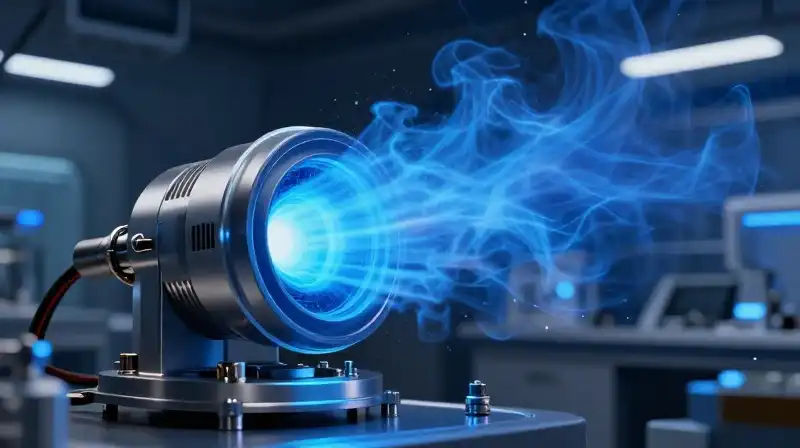
The internal operation of a propane refrigerator is based on the absorption of heat from one working fluid (usually the air inside the fridge) into another working fluid mixture (typically water and ammonia). This process involves a continuous, controlled chemical cycle that achieves refrigeration. The mechanism can be broken down into several distinct steps:
- Heat Generation and Separation: A propane burner provides the necessary heat source. This heat is applied to a chamber containing a mixture of water and ammonia. The high temperature causes the ammonia to separate from the water, transforming into a gaseous state.
- Condensation and Liquid Flow: This hot ammonia gas is then passed through parts of the system where it condenses back into a liquid form.
- Evaporation and Cooling: The liquid ammonia flows into an evaporator. Here, it interacts with other gases (such as hydrogen, depending on the specific unit design) and undergoes a chemical reaction. This reaction absorbs heat from the refrigerator’s interior, effectively cooling the cabinet down.
- Cycle Completion: Once the heat has been pulled from the interior and the ammonia has absorbed enough energy, it changes back into a gas, completing the cycle, and ready for the next phase of heat absorption.
How Does a Propane Refrigerator Work Without a Compressor?
The lack of a compressor is the defining characteristic of propane absorption refrigerators. Traditional units use a piston-based compressor to compress and circulate refrigerant under pressure, much like a pump drives a water system. Propane refrigeration bypasses this mechanical step. Instead, the heat provided by the propane burner acts as the “pump.” It initiates the phase change (vaporization) and separation of the ammonia and water. The absorption cycle itself—the movement of molecules between a liquid and gas state—is entirely driven by thermal energy, not by moving internal parts. This fundamental difference results in a system that, while having a slower cooling rate than electric units, possesses significant structural advantages.
Practical Advantages of LP Gas Cooling
The unique engineering of propane fridges offers several practical benefits that make them superior choices for specific environments:
- Durability and Longevity: Because the core cooling loop lacks the complex moving parts found in mechanical compressors, the system is inherently simpler and far more robust. This architecture contributes to a generally longer service life.
- Off-Grid Reliability: For seasonal properties, remote work camps, or RV setups, these units are ideal. They allow continuous cooling operation without relying on a stable or consistent electrical grid, providing functional utility during power outages.
- Energy Independence (for off-grid): While they consume propane, they reduce the size and weight requirements for associated electrical components like batteries and solar panels, often making them more efficient for small, decentralized power systems.
Addressing Common Operational Concerns
Several practical questions often arise when comparing propane refrigeration to standard electric models.
Does a propane fridge use a lot of gas?
Consumption depends on the ambient temperature and the required cooling load. Unlike an electrical compressor that draws power based on the internal heat, the gas required for an absorption fridge is used solely to maintain the temperature of the working fluid. While some units consume a noticeable amount of propane when cooling heavily, the fuel required per hour of cooling must be weighed against the cost of running continuous, high-draw electrical units in off-grid situations.
Are propane refrigerators safe?
Modern propane refrigerators are designed with safety features to prevent leaks and ensure safe operation, though they require professional installation. Proper venting and placement are critical. As with any appliance using LP gas, safe handling and regular maintenance are mandatory.
Does a propane refrigerator need electricity?
Yes, but primarily for ancillary functions. While the core refrigeration cycle is powered by the propane burner, electricity is needed to power components such as:
- Display and digital controls
- Interior lights
- Ventilation fans (in many models)
- A pump or control valve to manage the flow of liquid within the closed system.
Decision Criteria: Propane vs. Electric Refrigeration
Choosing between a propane absorption refrigerator and a standard electric compressor unit depends on the specific operational environment and priorities.
| Feature | Propane Absorption Refrigerator | Standard Electric Compressor |
|---|---|---|
| Primary Power Source | LP Gas/Propane | Electricity (AC/DC) |
| Operating Principle | Thermal/Chemical (Absorption) | Mechanical (Compression) |
| Ideal Use Case | Off-grid, remote sites, extreme environments | Standard residential/commercial settings |
| Durability | High (Few moving parts) | Moderate (Compressor wear) |
| Cooling Speed | Slower/Sustained | Faster/Aggressive |
Practical Guidance and Installation Requirements
Propane refrigerator systems are not “plug-and-play” appliances. They require specific installation parameters to function correctly and safely. The process involves meticulous plumbing and system integration. Because the unit relies on a specific heat input to drive the chemical reactions, installation must ensure the propane supply is stable and the cooling zone is correctly vented. Installation should only be undertaken by certified technicians who are knowledgeable about both gas safety and refrigeration cycles. Furthermore, while absorption cycles are highly efficient in terms of component wear, their cooling performance is most effective when used for constant, low-intensity cooling rather than rapid temperature drops, a limitation that users must consider when assessing their space’s thermal requirements.
Frequently Asked Questions
Does a propane fridge use a lot of gas?
Propane consumption depends on the ambient temperature and the required cooling load. Although some units use a noticeable amount of propane when cooling heavily, the fuel required must be weighed against the cost of running continuous, high-draw electrical units in off-grid scenarios.
How a Propane Refrigerator Operates
Heat Generation and Separation
A propane burner provides the necessary heat source. This heat is applied to a chamber containing a mixture of water and ammonia. The high temperature causes the ammonia to separate from the water, transforming into a gaseous state.
Condensation and Liquid Flow
This hot ammonia gas is then passed through parts of the system where it condenses back into a liquid form.
Evaporation and Cooling
The liquid ammonia flows into an evaporator. Here, it interacts with other gases and undergoes a chemical reaction. This reaction absorbs heat from the refrigerator's interior, effectively cooling the cabinet down.
Cycle Completion
Once the heat has been pulled from the interior and the ammonia has absorbed enough energy, it changes back into a gas, completing the cycle, and ready for the next phase of heat absorption.
Related Articles