
How Propane Fridges Work Using Absorption Cooling

Introduction
A propane refrigerator operates fundamentally differently from the electric or gas refrigerators you might find in a conventional kitchen. Instead of relying on a compressor and electric motor to circulate refrigerant, these units use an absorption cooling cycle powered by the heat from a propane flame. Essentially, the unit uses the energy generated by burning LP gas to drive a chemical reaction that creates cold, allowing it to achieve cooling without any internal moving parts in the core cooling loop. Understanding how a propane fridge works requires looking at this process of energy conversion rather than mechanical circulation.
How the Absorption Cooling Cycle Works
The refrigeration process in a propane unit is based on utilizing the thermal energy from the propane flame to drive the state changes of a working fluid, typically a mixture of water and ammonia. This heat transfer is where the “absorption” element of the cooling cycle comes from.
The Role of the Heat Source
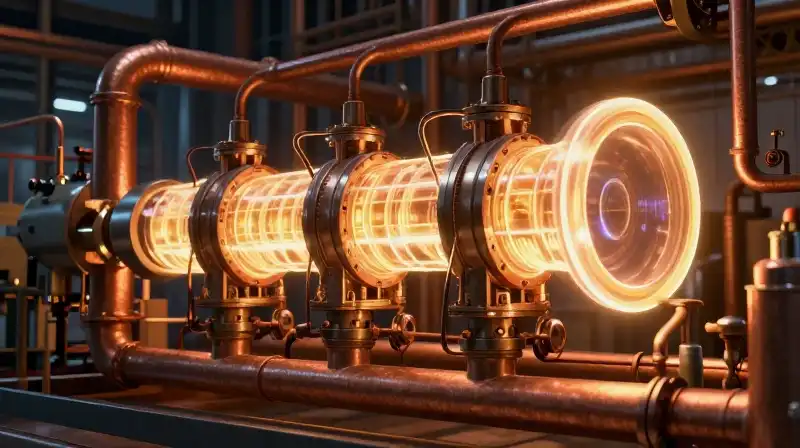
The cycle begins when the propane burner provides heat to a specific chamber within the refrigerator. This energy is applied to the water-ammonia mixture, causing a separation reaction. The heat converts the ammonia into a gas. This heated ammonia gas is then channeled through the system, condenses back into a liquid, and continues its journey.
Achieving the Cooling Effect
The cooled ammonia liquid then enters the evaporator—the component inside the refrigerator’s interior. Within the evaporator, the liquid ammonia absorbs heat from the surrounding warmer interior air. This heat absorption causes the ammonia to transition back into a gas, creating the necessary cool environment. This is the same principle that causes ice to melt as it draws heat from its surroundings. Once the heat is successfully removed, the low-pressure ammonia gas is prepared to complete the cycle, where the cycle starts again by returning to the heat source to be re-absorbed.
Key Operational Advantages of Propane Refrigeration
The technology behind propane refrigerators offers significant practical benefits, particularly for specific environments, making them a preferred choice for off-grid living and remote installations.
- Durability and Simplicity: Because the cooling mechanism does not rely on a compressor or intricate mechanical moving parts in its core cycle, the unit inherently has fewer points of failure. This translates to a longer service life and greater reliability.
- Off-Grid Independence: Propane refrigerators are ideal for locations without a constant, reliable electricity supply. They allow cooling operations to continue during power outages or in remote areas where grid access is unavailable.
- Fuel Efficiency for Specific Tasks: While they use propane, their ability to operate completely independent of grid infrastructure makes them highly efficient in certain self-sufficient scenarios, reducing the need for oversized solar or battery systems.
Practical Differences: Propane vs. Traditional Compressor Fridges
Comparing a propane absorption unit to a standard electric compressor refrigerator helps clarify why these units are chosen for certain applications.
| Feature | Propane (Absorption) | Standard Compressor (Electric) |
|---|---|---|
| Cooling Mechanism | Chemical reactions driven by heat source. | Mechanical compression and circulation of refrigerant. |
| Power Source | Propane (LP gas) heat source. | Electrical grid or battery power. |
| Moving Parts | Minimal moving parts in cooling loop. | Heavy reliance on motor, compressor, etc. |
| Cooling Rate | Generally slower cooling rate. | Typically faster cooling and recovery times. |
Addressing Common Operational Questions
Users often inquire about the practical consumption and safety of these units.
Does a propane fridge use a lot of gas?
The consumption of propane varies significantly based on the unit’s size, operating temperature, and required cooling load. Because the heat source is constant (the propane flame), the energy input is consistent. However, they are typically used in environments where the cost of consistent, reliable electricity outweighs the cost of heating fuel. For most off-grid applications, the efficiency of energy use is optimized for those who do not have an electrical grid.
Safety and Installation Requirements
While modern propane refrigerators include multiple safety features, they are designed to operate with regulated LP gas. Due to the nature of the heat source and the gas mixture, these units require professional installation. Improper venting or handling of LP gas can lead to serious safety hazards.
Practical Considerations for Long-Term Use
To ensure the longevity and performance of a propane refrigerator, several practical factors must be managed.
- Environmental Suitability: These units are highly suitable for RVs, seasonal properties, cottages, and remote work camps. They can also be effective in areas subject to frequent power fluctuations or grid failures.
- System Maintenance: Regular checks on the heat source, insulation, and the radiator (where excess heat is expelled) are important to prevent inefficient operation and ensure the longevity of the system.
- Design Limits: Because of the nature of the absorption cooling process, the unit may not reach the exact ultra-low temperatures achievable by commercial mechanical compressor units. Users must set temperature expectations based on the technology utilized.
Choosing the Right Refrigeration for Your Needs
The choice between a propane absorption unit and a traditional refrigerator depends entirely on your location and power availability. If you require maximum speed and operate on reliable grid power, a compressor unit is usually preferred. However, if you are building an off-grid camp, need resilience against power outages, or seek a durable system with few moving parts, understanding how a propane fridge works using absorption cooling proves it is the optimal technical choice for your application.
Frequently Asked Questions
Does a propane fridge use a lot of gas?
Propane consumption varies significantly depending on the units size, operating temperature, and required cooling load. While the heat source is constant, they are generally used in off-grid scenarios where the efficiency of heating fuel is preferred over the cost of consistent, reliable electricity.
How the Propane Absorption Cooling Cycle Works
Apply heat from propane burner
The cycle begins when the propane burner provides heat to a specific chamber containing the water-ammonia mixture, causing a separation reaction.
Convert ammonia to gas
The heat energy converts the ammonia into a gas, which is then channeled through the system to condense back into a liquid.
Enter the evaporator
The cooled ammonia liquid enters the evaporator, which is located inside the refrigerator's interior.
Absorb heat from the interior
Within the evaporator, the liquid ammonia absorbs heat from the surrounding warmer interior air, initiating the cooling effect.
Transition back to gas
The heat absorption causes the ammonia to transition back into a gas, creating the necessary cool environment.
Complete and restart the cycle
The low-pressure ammonia gas completes the cycle and returns to the heat source to be re-absorbed, allowing the process to begin again.
Related Articles