
How Does a Ventless Dryer Work? The Science of Condensation

Introduction
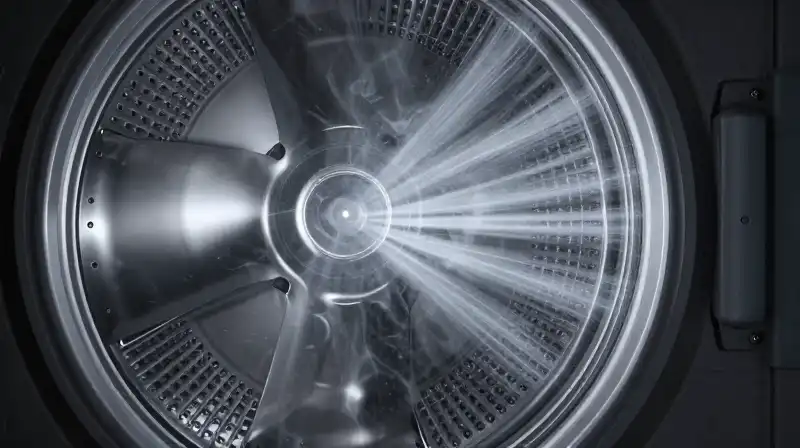
A ventless washer dryer operates fundamentally differently from traditional machines by eliminating the need to exhaust hot, moist air outside the home. Instead of pushing heat and humidity away through a duct, ventless technology relies entirely on a sealed, constant air recirculation system to manage moisture internally. The core of this mechanism is the principle of condensation: the conversion of water vapor (gaseous moisture) back into liquid water. By capturing and condensing the moisture released by drying clothes, these appliances effectively pull the water out of the laundry, collect it, and drain it internally.
How Does a Ventless Dryer Work? The Condensation Cycle
The process of drying in a ventless dryer is a sophisticated cycle of heating, vaporization, and cooling. Unlike conventional dryers that simply push hot air, a ventless dryer follows a precise, multi-stage sequence:
- Moisture Vaporization: Heat is generated by the internal heating element (or the heat pump). This hot air is circulated through the drum, where it contacts the damp clothes. The heat transfers energy to the water molecules in the clothes, turning the liquid water into water vapor. This results in the air becoming “hot and saturated” with moisture.
- Internal Condensation: This hot, moist air is then redirected through a cooling mechanism—typically an evaporator or condenser, which is often integrated into the heat pump system.
- Water Extraction: As the saturated, hot air passes over the cold metal surfaces of the condenser, the rapid temperature drop forces the water vapor to revert to its liquid state. The high heat of the initial drying phase is exchanged for the cooling effect needed for condensation.
- Collection and Drainage: The condensed water, along with lint and other particulates, drips into a specific internal collection system. This water is then automatically routed down a drain hose, similar to how water is removed during the wash cycle of a washer-dryer combo.
In essence, the machine captures the steam released by the drying clothes, cools it down inside the unit, and drains the collected water.
The Science Behind Heat Pump Efficiency
While some simpler models use a basic internal heater and a condenser, the high-efficiency models utilized today employ heat pump technology. A heat pump functions by moving heat rather than simply generating it, which is why these units use significantly less energy than traditional electric or gas dryers.
In this process, the heat pump essentially takes heat energy from the surrounding air (or the moisture in the clothes) and transfers it to the air being circulated through the drum. This creates the necessary drying heat while simultaneously aiding the condensation process. The heat pump cycle uses a refrigerant to move thermal energy, making the process inherently more efficient and allowing the machine to operate safely within a sealed chamber without needing external ventilation.
The core scientific principle at play is the difference in moisture capacity: hot air holds significantly more water vapor than cool air. By continuously heating the clothes and then passing the resulting saturated air through a cold exchanger, the machine forces the water out of the air, leveraging the physics of heat exchange and phase transition.
Ventless vs. Vented Dryers: A Practical Comparison
The decision between a ventless and a traditionally vented dryer often comes down to installation constraints and operational preferences. While both types achieve the goal of drying clothes, their operational characteristics differ greatly.
| Feature | Ventless Dryer | Vented Dryer |
|---|---|---|
| Vent Requirement | None (Self-contained) | External duct to expel moist air |
| Energy Use | Low (especially with heat pump) | Moderate to High (depending on heating method) |
| Installation Suitability | Ideal for apartments, closets, tight spaces | Requires adequate external wall/window access |
| Drying Time | Can be slightly longer (due to continuous condensation cycle) | Often faster (direct expulsion of hot air) |
| Moisture Handling | Internal collection and drainage | Expelled into the atmosphere |
While some users report slightly longer drying times with condensation-based dryers, the energy savings provided by heat pump technology often offset this difference, leading to a lower overall cost of ownership. Furthermore, the convenience of internal moisture management is critical for installation in modern urban living spaces where external venting is impossible.
System Management and Maintenance Considerations
Because ventless dryers operate in a completely sealed chamber and manage moisture internally, they require careful attention to specific parts of their system. Maintaining optimal performance relies on understanding where the moisture and lint are managed.
- The Condenser and Filters: The internal condenser and moisture collection tray must be kept clear. While the machine is designed to manage lint and water internally, regular cleaning of filters is necessary to ensure efficient air flow and optimal condensation.
- Drainage Integrity: Unlike vented models that rely on external airflow, ventless dryers require a reliable internal drain connection. Ensuring the drain hose is properly secured and the drain itself is clear is paramount to prevent water backup and system failure.
- Operational Consistency: The continuous air recirculation system is crucial. Users should avoid overloading the machine, as excessive damp clothing can overwhelm the internal collection and condensation capacity, potentially leading to inefficient drying and mold issues within the unit.
Understanding these internal mechanisms allows consumers to select a model appropriate for their living situation and commit to the necessary maintenance required to keep the sealing and drainage systems functioning correctly.
Synthesis: Choosing the Right Ventless Solution
The functionality of a ventless dryer is a marvel of thermal physics, transforming saturated, hot air into reusable, dry air through controlled condensation. Whether you are looking for a solution for a compact apartment or seeking an energy-efficient alternative to traditional drying, the key is to understand that you are purchasing a closed-loop system.
When making a purchase decision, prioritize models that explicitly utilize heat pump technology for the best balance of energy efficiency and drying performance. Regardless of the model selected, always confirm that your installation space can support the necessary internal drainage required for the moisture collection system, as this is the defining factor separating ventless operation from traditional methods.
How to Maintain a Ventless Washer Dryer
Instructions for maintaining the sealed system of a ventless dryer to ensure efficient operation and prevent damage.
Clean Condenser and Filters
Keep the internal condenser and moisture collection tray clear. Regularly clean filters to ensure efficient airflow and optimal condensation.
Check Drainage Integrity
Ensure the drain hose is properly secured and the drain itself is clear. This is essential to prevent water backup and system failure.
Avoid Overloading the Machine
Do not overload the machine. Excessive damp clothing can overwhelm the internal collection and condensation capacity, potentially leading to inefficient drying or mold.
Related Articles