
Does Coca-Cola Stain Clothes Permanently? A Removal Guide

Introduction
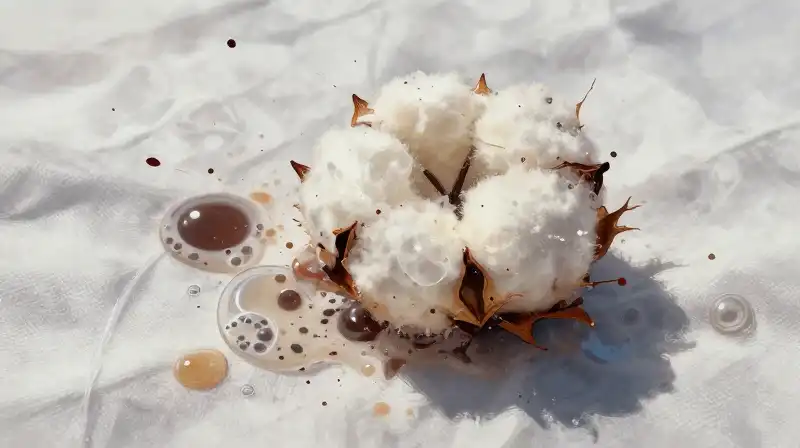
Does Coca-Cola stain clothes? The short answer is yes, it can. Due to its combination of high sugar content, robust coloring, and acidic components, Coca-Cola is notoriously effective at transferring dye and setting marks on various fabric types. Whether a Coca-Cola stain becomes permanent depends almost entirely on immediate action. If the spill is treated instantly, most marks can be lifted. However, if the stain is allowed to dry and set, especially on porous or light-colored fabrics, the risk of permanent discoloration increases significantly.
The Science of the Cola Stain
Understanding why Coca-Cola stains is crucial for effective removal. A stain from the drink isn’t merely a superficial splash; it involves two primary elements: the deep pigments (dyes) and the sugars. The color is chemically bonded with certain sugars, creating a mixture that can easily bind to fabric fibers. This is why white garments, which offer high contrast, are the most visible victims, while dark fabrics can hide the discoloration more easily, though they may still suffer from subtle color bleeding.
Immediate Response: The Crucial First 5 Minutes
The most effective strategy for removing a Coke stain is the intervention itself. Time is the single biggest factor in determining the success of the cleanup.
1. Blot, Don’t Rub: Immediately use a clean, absorbent cloth or paper towel to blot up as much excess liquid as possible. Aggressive rubbing will only push the stain deeper into the weave of the fabric.
2. Initial Rinse: From the back of the fabric, run cool water over the spill area. This helps flush some of the color and sugar components out of the material without setting the mark. Avoid hot water during this initial phase, as heat helps chemical reactions that make stains permanent.
3. Don’t Machine Wash Yet: While the urge to throw the garment in the washing machine is strong, the detergents used during the wash cycle may set the stain if the stain is still active. Treat the stain manually first.
Step-by-Step Stain Removal Guide
When the stain persists after initial blotting, a targeted cleaning agent must be applied. The most effective approach involves chemical disruption followed by mechanical washing.
- Apply a Degreaser/Agent: For grease and sugar-based stains, dish washing liquid is a highly effective first-line cleaner. Alternatively, specialized stain removers (commercial sprays like Elbo Grease) or a solution of club soda and dish soap can be used. Apply the agent directly to the stain and allow it to sit for the time specified on the product packaging (typically 5-15 minutes).
- Scrub and Dissolve: Gently rub the stained area with an old toothbrush or a mild scrubbing pad. The goal is to break down the pigment/sugar complex.
- Rinse Again: Rinse the treated area thoroughly with cool water.
- Laundry Cycle: Finally, wash the garment using your normal laundry routine, ensuring you use the hottest safe water temperature for that fabric type, but only after the stain has been physically treated.
Material-Specific Considerations
The success rate of Coke stain removal varies by what the stain is sitting on:
- White Cotton/Linens: These are the easiest to see and the most susceptible to deep setting. Use stronger enzymatic cleaners if the stain remains after the initial dish soap treatment.
- Black or Dark Clothes: While the color masks the initial stain, the pigment can sometimes “bleed” or cause slight dulling. Immediate treatment is still essential to prevent color loss.
- Jeans (Denim): Denim is a durable, porous material. Treat denim with caution, as harsh chemicals or excessive scrubbing can damage the color or fabric integrity. Focus on localized treatment.
- Synthetic Fabrics: Polyester and nylon can sometimes be resistant to stain penetrance, but heat and aggressive mechanical scrubbing (if the stain is dried) may be required.
Addressing Persistent and Complex Stains
If the stain is set, especially if it has oxidized or has been repeatedly exposed to heat, standard household solutions may not be enough.
Check for Specialized Treatments: If a standard wash fails, try commercially available stain removers designed for old or set stains, often containing bleaching agents or oxygen boosters (for colored fabrics). Always follow the manufacturer’s specific instructions for safety and efficacy.
The Limits of Removal: If a Coca-Cola stain has dried and turned dark, and no cleaning agent has been applied to break the chemical bonds, the pigment may be considered permanent. At this stage, professional dry cleaning, using solvents specific to soda stains, may be the only recourse.
Comparing Coke to Other Beverages
While the guidance above is specific to Coca-Cola, it is important to understand that other similarly pigmented or sugary drinks (like Pepsi) will behave similarly. However, if a beverage like Diet Coke or Coke Zero is spilled, the stain may be less concerning because the staining agents (sugars) are removed, though the color itself can still act as a dye. In general, the “sweet” colas pose a higher risk for intense, colorful staining.
Prevention: Avoiding Future Coca-Cola Stains
Since prevention is the most guaranteed method of stain removal, proactive steps are highly recommended:
Keep a Kit Handy: Keep a small collection of absorbent cloths, stain wipes, and a bottle of dish soap in an accessible area (e.g., the kitchen, on the couch). Quick access to cleaning agents drastically reduces the chance of permanent marking.
Preparation: If a spill is imminent, having a “spill station” ready allows for immediate mechanical blotting before the liquid has a chance to soak into the fibers.
Final Stain Prevention and Care Synthesis
Successfully removing a Coca-Cola stain relies on a rapid triage of the situation. The key to prevention and successful removal is the combination of immediate physical blotting and the application of chemical disruption (dish soap or specialized cleaners). Do not wait for a stain to “bake” onto the fabric. If the discoloration persists even after the initial cleaning steps, the fabric has likely suffered irreversible dye transfer and should be assessed by a professional dry cleaner before risking further cleaning that could damage the fibers.
Frequently Asked Questions
Does Coca-Cola stain clothes permanently?
The permanency of a Coca-Cola stain depends almost entirely on immediate action; if treated instantly, most marks can be lifted. However, if a stain is allowed to dry and set on fabrics, especially porous or light-colored ones, the risk of permanent discoloration increases significantly.
Do Coca-Cola stains come out of clothes?
Coca-Cola can stain clothes, and whether the stains come out depends almost entirely on immediate action. If the spill is treated instantly, most marks can be lifted, but if the stain is allowed to dry and set, the discoloration may be permanent.
How to remove a Coca-Cola stain from fabric
Blot excess liquid
Immediately use a clean, absorbent cloth or paper towel to blot up as much excess liquid as possible. Aggressive rubbing will only push the stain deeper into the weave of the fabric.
Initial cool water rinse
From the back of the fabric, run cool water over the spill area. This helps flush some of the color and sugar components out of the material without setting the mark. Avoid hot water during this initial phase.
Apply a degreaser/stain remover
Apply a highly effective first-line cleaner, such as dish washing liquid, specialized stain removers, or a solution of club soda and dish soap, directly to the stain. Allow it to sit for 5-15 minutes.
Scrub and dissolve
Gently rub the stained area with an old toothbrush or a mild scrubbing pad to break down the pigment/sugar complex.
Rinse and wash
Rinse the treated area thoroughly with cool water, then wash the garment using your normal laundry routine, ensuring you use the hottest safe water temperature for that fabric type.
Related Articles