
How Toilet Paper Dissolves (Or Disintegrates) and Avoids Clogs

Introduction
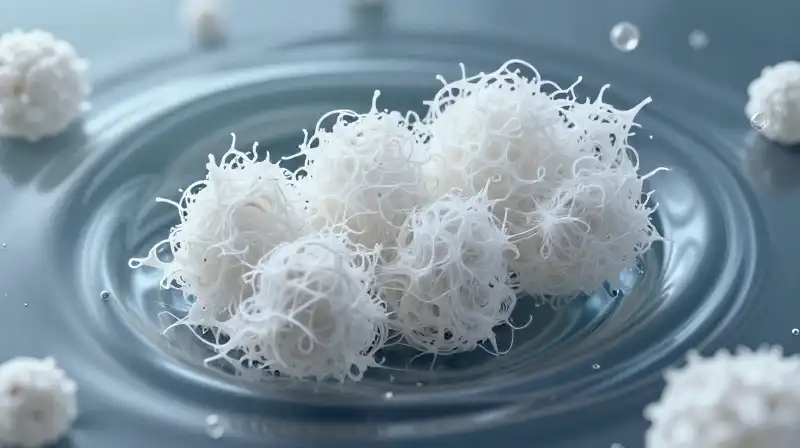
Toilet paper does not dissolve in water like salt; instead, it physically disintegrates. Understanding this distinction is critical to preventing clogs. The main cause of a toilet backup is not that the paper *fails* to dissolve, but rather how it physically breaks down—or fails to break down—when it is compressed and when excessive quantities are introduced into the system. Proper flushing relies on the rapid disintegration of the paper fibers, which are then carried away by sufficient water flow, allowing the cellulose to be processed in the plumbing and wastewater system.
The Physics of Breakdown: Disintegration vs. Dissolution
When most people ask if toilet paper dissolves, they are often asking how quickly its structural integrity fails in water. The material is primarily composed of cellulose, a long chain of sugar molecules. Unlike a compound that dissolves to form an even solution (like sugar), toilet paper breaks down into smaller, finer components when exposed to water. This breakdown is a physical and chemical process:
When paper is wadded up, the structure becomes dense. This compression prevents water from penetrating the innermost fibers effectively. Without this adequate saturation and agitation, the paper remains a solid mass long enough to obstruct the pipes.
Once the water penetrates the fibers, the bonds between the cellulose components weaken and rupture. The paper converts into a suspension of tiny, dispersible fibers. This suspension is what the sewage system is designed to manage and carry away.
The Root Causes of Clogs
A toilet clog is rarely caused by the paper itself, but rather by the conditions under which the paper is flushed. The disintegration process can be hindered in several ways:
Compression and Density
The most immediate enemy of disintegration is wadding. A tightly wound ball of toilet paper prevents the necessary water from entering and breaking down the fibers, allowing it to remain a large, solid obstruction.
Excessive Volume
Even rapid-dissolving paper will cause a clog if flushed in massive quantities. Introducing an unusually large volume of material simultaneously overwhelms the plumbing system’s ability to handle the suspended solids, leading to a buildup before the disintegration process can complete.
The Role of Solid Waste
The combination of TP and other solid waste, such as feces, is often what cements a potential clog. The paper can absorb moisture and harden when combined with these solids, making it much more durable and easier to solidify into a stubborn mass that resists flow.
How Fast Does Toilet Paper Dissolve?
The speed at which toilet paper disintegrates is highly variable and depends on several critical factors. There is no single answer, but understanding the variables provides necessary context:
- Brand and Composition: Standard, heavy-weight, multi-ply paper tends to break down slower than thinner, engineered varieties.
- Ply Count: Single-ply construction is generally designed to disintegrate much faster than plush or multi-layered varieties because there is less material to process.
- Water Flow and Agitation: The vigorous flushing action and the temperature/volume of water are key accelerators for the breakdown process.
For optimized systems, rapid-dissolving tissue is formulated to meet rigorous standards. While complete breakdown can take several hours to a few days depending on the system, high-quality, fast-dissolving products are engineered for quick breakdown under normal flush conditions.
Selecting TP: Decision Criteria for Optimal Flow
For homes with older plumbing, frequent clogs, or specific systems like septic tanks, choosing the correct type of TP is a practical preventative measure. Not all tissue is created equal.
| TP Type | Structure/Composition | Best Used For | Why |
|---|---|---|---|
| Standard/Plush | Multi-ply, often with lotions or additives | General use where flow is not a concern | Higher absorbency, but greater physical volume makes breakdown slower. |
| Rapid-Dissolving/Septic-Safe | Single-ply, loose fiber bonding, no additives | Older homes, septic systems, sensitive plumbing | Minimal material to break down and formulated for quick degradation. |
Key indicators to look for on packaging that signal rapid disintegration capabilities include labels like “septic-safe” or “RV-safe,” alongside the promise of single-ply construction.
Practical Steps to Prevent Plumbing Blockages
While the paper is designed to break down, minimizing the chance of a clog requires conscious habits and understanding the limits of the plumbing system.
To maintain efficient plumbing, adhere to these practical guidelines:
- Avoid Combining Materials: Never flush toilet paper with items that do not disintegrate, such as paper towels, feminine hygiene products, or wet wipes (which are designed to maintain structural integrity). These items will quickly form a non-dissolvable plug.
- Flush Small Quantities: Always flush only the necessary amount of toilet paper. Avoid stuffing large, wadded masses into the bowl.
- Maintain Water Flow: Ensuring your plumbing system receives adequate, forceful water pressure is essential, as this provides the agitation required for fibers to break down efficiently.
Synthesis: Protecting Your System
The confusion over whether toilet paper dissolves is often rooted in a misunderstanding of the physical process of disintegration. The paper breaks down into fine, dispersible fibers, but it requires proper conditions—sufficient water penetration, adequate flow, and minimal compression—to do so quickly. By choosing engineered single-ply, rapid-dissolving varieties and by never introducing non-disintegrating waste into the bowl, you mitigate the risk of clogs and protect the integrity of your household plumbing and septic system.
Frequently Asked Questions
Does toilet paper dissolve in hours?
The speed at which toilet paper disintegrates is highly variable, depending on factors such as brand, ply count, and water flow. While high-quality, fast-dissolving products are engineered for quick breakdown, complete breakdown can take several hours to a few days depending on the system.
How to Prevent Plumbing Blockages
Avoid Combining Materials
Never flush toilet paper with items that do not disintegrate, such as paper towels, feminine hygiene products, or wet wipes, as these will quickly form a non-dissolvable plug.
Flush Small Quantities
Always flush only the necessary amount of toilet paper and avoid stuffing large, wadded masses into the bowl.
Maintain Water Flow
Ensure your plumbing system receives adequate, forceful water pressure to provide the agitation required for the fibers to break down efficiently.
Related Articles