
The Purpose of Rain Gutters: How They Protect Your Foundation

Introduction
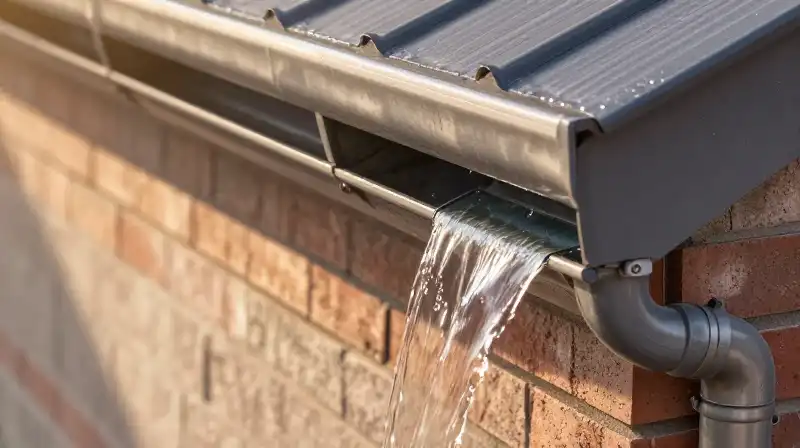
The fundamental purpose of a rain gutter system goes far beyond simply catching rainwater from your roof. Gutters act as a critical moisture management system, designed to capture, collect, and redirect runoff away from the primary structure of your home. They prevent water from cascading uncontrollably over entry points, protecting door frames, garage access, and siding. When properly installed, they ensure that the roof’s runoff is channeled into a controlled flow via downspouts, preventing the accumulation or seepage of water against your building’s foundation. In essence, gutters are a proactive defense against water damage, safeguarding the structural integrity of the house.
The Core Function: Managing Runoff and Preventing Water Backflow
The primary mechanism of a gutter is to control the immense volume of water shed by a roof during heavy rainfall. Without them, water would flow freely down the fascia and soak into the surrounding soil or run directly against the walls. This constant, localized saturation creates hydrological pressure on the structure.
Gutters function by:
- Collecting runoff at the edges of the roof.
- Transporting that collected water into an integrated system of downspouts.
- Directly diverting the water away from the immediate vicinity of the house and its foundation.
By channeling water, gutters minimize the risk of the water flowing back underneath the roofline or accumulating against the exterior walls. This prevents standing water, which is a major precursor to leaks and eventual system failure.
Mitigating Structural and Property Damage
The importance of having gutters stems directly from the severe risks they mitigate. Improper water management is a leading cause of costly structural repairs and decay. Here is how gutters protect your investment:
Foundation and Subsurface Protection
The most critical role of gutters is preventing foundation instability. When water pools against the base of the structure, it can seep into the foundation, leading to moisture buildup, cracking, and potential basement flooding. By managing runoff and redirecting it away, gutters reduce the risk of water-related deterioration and help maintain the integrity of the property’s foundation.
Preventing Decay and Erosion
Gutters prevent the degradation of exterior elements. They prevent the decay or deterioration of vulnerable areas like soffits, exterior trim, and interior walls caused by persistent moisture. Furthermore, by controlling the speed and direction of runoff, they prevent the erosion and scouring of surrounding hardscapes, such as driveways and sidewalks, and minimize damage to landscaping and plantings from localized flooding.
If a roof or siding were exposed to uncontrolled, cascading water, the resulting moisture would eventually find a way inside, leading to mold, wood rot, and extensive water damage. Gutters intercept this threat at the source.
Practical Considerations: When Gutters May Not Be Necessary
While highly recommended for almost all structures, it is important to understand that gutters are not a universal requirement. Their necessity is based on specific environmental and topographical factors. Gutters are less likely to be needed if:
- Natural Drainage is Effective: The home is situated on ground that naturally slopes away from the structure. Gravity assisting in water drainage can render gutters redundant.
- Roof Overhang is Substantial: A significant, properly designed roof overhang can provide sufficient protection, directing most water away from the walls without the need for a channeling system.
- Rainfall is Minimal: In climates experiencing very low rainfall or minimal snowfall, the amount of water runoff may not necessitate the installation of a system.
It is crucial to note that even in climates with low rainfall, the installation of gutters is considered a proactive measure against slow buildup and future maintenance issues. Similarly, homes built on steep hills or adjacent to concrete surroundings may manage runoff through natural patterns, though this depends on the specific grade.
Selecting the Right Gutter System: Materials and Maintenance
Choosing the right materials and maintaining the system are vital steps in ensuring the longevity of your home’s protection. Different materials offer varying aesthetics and durability:
| Material | Pros | Cons |
|---|---|---|
| Aluminum | Durable, lightweight, rust-resistant, cost-effective. | Can dent or warp if damaged. |
| Vinyl | Lightweight, low maintenance, affordable, easy to install. | Can become brittle over time; prone to discoloration. |
| Copper | Extremely durable, long lifespan, premium aesthetic. | Highest initial cost, can develop a patina. |
| Steel | Strong, resistant to impact, cost-effective. | Requires proper painting to prevent rust. |
Regardless of the material, regular maintenance—specifically frequent cleaning to prevent the buildup of leaves and debris—is critical. A damaged or clogged gutter is not a protective measure; it is a failure point that can cause water to pool along the roofline, doing far more harm than good.
Synthesizing Decisions: Protecting Your Property
Gutters are fundamentally a crucial element of exterior property maintenance. While the presence of an existing roof overhang or natural grading might reduce the immediate necessity of installation, the proactive nature of the gutter system provides necessary insurance against the unexpected. For most homeowners, the answer is clear: gutters are vital for maintaining the structural integrity of both the foundation and the roof. They serve as the primary defense against uncontrolled moisture runoff, preventing the costly cycle of leakage, foundation instability, and structural decay.
The decision to install gutters should prioritize long-term protection over initial cost savings. When assessing your needs, consult a professional who can determine if your existing roof structure, drainage patterns, or a proposed gutter system is the correct solution for comprehensive moisture management specific to your home and climate.
Frequently Asked Questions
What are the benefits of having a gutter?
Gutters act as a critical moisture management system by capturing and redirecting roof runoff away from the structure. They provide a proactive defense against water damage, safeguarding the structural integrity of the house by preventing foundation instability, decay of exterior elements, and costly leakage.
Related Articles