

Uncured vs. Cured: What Uncured Means for Your Salami

Introduction
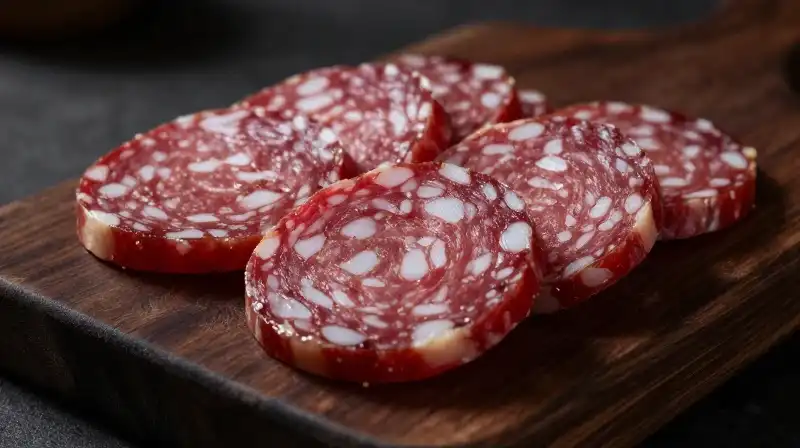
The labels “cured” and “uncured” on meat products, particularly popular items like salami, represent distinct philosophies in food preservation. While they both serve to extend shelf life, they differ significantly in the chemistry, ingredients, and methods used to achieve that stability. For many consumers, the debate often centers on health concerns regarding sodium nitrate. However, understanding the difference requires looking beyond the chemical name to the entire process. Uncured meat generally refers to a product that avoids the use of synthetic chemical preservatives (like synthetic sodium nitrate and nitrite) in favor of natural alternatives, while “cured” refers to the use of established chemical curing salts to prevent spoilage and develop specific flavor and color.
Deciding between uncured and cured products involves weighing marketing claims against actual food science. The distinction is often less about “purely natural” and more about the absence or presence of specific *synthetic* additives, which can still be found in natural, naturally occurring forms elsewhere in food.
The Chemistry of Curing: Defining the Labels
Traditionally, curing is a preservation process utilizing salt, nitrates, and nitrites. These agents work by inhibiting the growth of harmful bacteria, maintaining meat color, and developing the characteristic flavor profile of the finished product. When meat is labeled “cured,” it indicates that these traditional methods and often synthetic additives have been employed.
The “uncured” claim is often interpreted as the intentional omission of synthetic curing salts, such as Prague powder. Instead, businesses utilizing this designation typically rely on naturally occurring nitrates. A common example is utilizing celery seeds or celery juice soaks. During processing, these natural plant materials can convert into nitrates and nitrites, achieving the desired preservation effect without added chemical curing salts. It is important to note that even uncured meats are still preserved; the difference lies in the source of the preservation agents.
Comparing Preservation Methods and Ingredients
The method of preservation goes beyond just what is added. Curing and uncuring represent different approaches to the meat structure and shelf life. Cured meats are processed using standard industrial methods designed for longevity, while some uncured processes prioritize minimal intervention.
One notable method used in uncured production is vacuum tumbling. This process involves placing meat (like pork bellies) and natural brines in a tumbler, using vacuum pressure and slow rotation to ensure the natural brine slowly penetrates the muscle fibers. This yields a product with fewer ingredients and a less invasive preservation impact on the meat’s internal structure compared to traditional high-intensity curing methods.
| Feature | Cured Meat | Uncured Meat |
|---|---|---|
| Primary Preservative Source | Synthetic curing salts (Sodium Nitrate/Nitrite) | Natural sources (e.g., Celery juice, natural brines) |
| Ingredient Composition | Often includes specific chemical additives | Typically uses fewer ingredients; relies on minimal additives |
| Shelf Life | Longer due to robust chemical preservation | Shorter shelf life (approximately 30 to 50 days less than cured meats) |
| Labeling Basis | FDA/Industry classification based on added spices/flavorings | Consumer designation emphasizing avoidance of synthetic chemicals |
Navigating Health Claims: Are They Healthier?
The most frequent reason consumers investigate the uncured label is health concerns regarding synthetic nitrates and nitrites. While these compounds have historically been criticized, it is vital to maintain a balanced perspective.
From a food safety standpoint, nitrates and nitrites (whether synthetic or naturally derived) are critical because they act as powerful inhibitors against specific bacteria that cause foodborne illness. These compounds are the basis of food safety protocols for many preserved meats. For the individual, the debate remains ongoing. There is no universally agreed-upon definitive evidence that makes uncured meat “safer” or inherently “healthier” than a properly cured product, as both must be handled and preserved correctly to prevent contamination.
However, consumers who seek reduced intake of synthetic chemicals and prioritize minimally processed foods often gravitate toward the uncured label. The difference in composition and the reliance on natural preservation methods is the primary value proposition, which aligns with consumer preference for natural alternatives.
Practical Decision Criteria for Choosing Your Salami
When standing in a deli, the labels alone may not provide a complete answer. Because labeling can be influenced by marketing rather than strict scientific classification, consumers should look deeper into the product’s details to make an informed choice.
Use these criteria to evaluate uncured versus cured options:
- Ingredient Transparency: Examine the ingredient list. Products relying on minimal ingredients and listing sources like “celery” or “natural brine” support the uncured designation.
- Shelf Life Expectation: Recognize that uncured products, due to their less aggressive preservation methods, will naturally have a shorter shelf life.
- Source and Process: If possible, identify the producer. Some brands emphasize their use of specific, non-chemical curing alternatives (e.g., vacuum tumbling) to substantiate their “uncured” claim.
Common Misconceptions About Uncured Meat
Several popular searches often involve misunderstandings about the term. It is important to clarify these points to resolve common consumer confusion.
1. Does uncured mean there are no nitrates or nitrites? This is not necessarily true. Uncured meat often contains naturally occurring nitrates derived from plant matter like celery. The label refers to the avoidance of *added synthetic* chemical curing salts.
2. Is all meat preserved? Yes. The difference is not the absence of preservation, but the source of it. While curing is a specific method of preservation, uncured meats use natural brining, drying, or other natural methods to achieve the same goal of stability.
3. Is uncured meat suitable for pregnant women? As with any cured or minimally processed food, it is essential to consume these products cooked or paste-sterilized (such as vacuum-sealed packages) to prevent listeria or other foodborne illnesses. Neither label guarantees safety; proper handling does.
Synthesis: Making Your Final Choice
The choice between uncured and cured meat is ultimately a trade-off based on your priorities—be it maximum shelf life and established industrial preservation, or a preference for fewer synthetic additives and more natural, minimally processed ingredients. If your goal is to minimize the use of synthetic chemical curing agents, look for “uncured” products that transparently list natural preservatives like celery. However, regardless of the label, always practice proper food safety by refrigerating these items promptly and consuming them within their specified use-by dates.
How to Choose Between Uncured and Cured Meat Products
Examine Ingredient Transparency
Review the ingredient list carefully. Products that support the uncured designation will typically rely on minimal ingredients or list natural preservation sources like celery or natural brines.
Assess Shelf Life Expectation
Be aware that uncured products, due to their less aggressive preservation methods, generally possess a shorter shelf life compared to traditionally cured meats.
Identify Producer and Process
If possible, identify the producer. Look for brands that specifically mention using non-chemical curing alternatives, such as vacuum tumbling, to substantiate their uncured claim.
Ensure Proper Food Safety
Regardless of whether the meat is uncured or cured, always practice proper food safety by refrigerating the items promptly and consuming them within their specified use-by dates.
Related Articles