Bleach Against Insects: How Effective Is It Against Pests?

Introduction
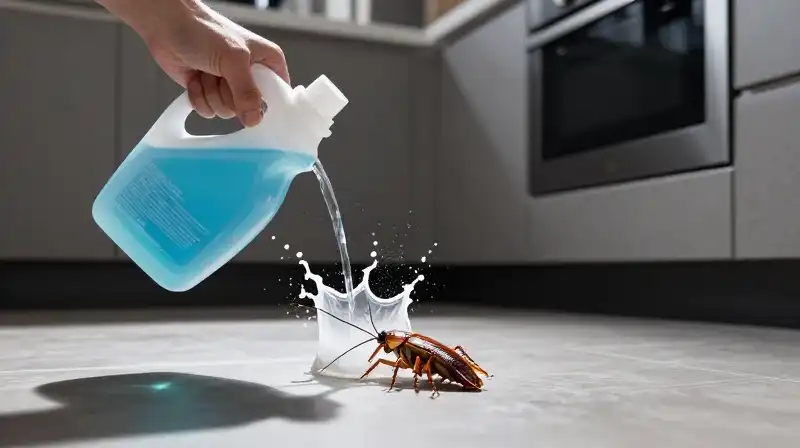
Deciding whether to use bleach for pest control requires understanding its specific chemical properties and how it interacts with various insects. Bleach, which is primarily a solution of sodium hypochlorite (NaClO) and water, functions as a powerful oxidizing agent. Its effectiveness against pests depends on factors like the insect’s structure, the method of application (spray vs. contact), and the target pest’s defenses. While sodium hypochlorite can be rapidly lethal to certain insects through chemical exposure, it is not a universal solution, and its use carries significant risks. To understand if bleach is the right choice, it is essential to analyze its performance against common household pests like ants and bed bugs.
How Bleach Works Against Insects: The Chemical Mechanism
The ability of bleach to kill insects like ants is often attributed to its vapor pressure and its direct corrosive action. The high volatility of sodium hypochlorite allows it to release chlorine vapor that can penetrate the small bodies of insects. For ants, the extremely high surface-to-body ratio enhances this exposure, facilitating rapid systemic uptake. Once the chemicals penetrate the ant’s body—sometimes entering through spiracles and gas exchange sacs—high concentrations of the hypochlorite ion (OCl-) can disrupt the ant’s biological processes. This can potentially lead to a rapid collapse of the ant’s membrane potential, resulting in near-instantaneous death.
However, it is important to note that the protective exoskeleton of an insect, such as the chitin in an ant, acts as a formidable barrier. While bleach is corrosive, the primary immediate fatal mechanism is generally seen as a result of rapid internal chemical reactions rather than the simple dissolution of the outer shell.
Effectiveness Against Specific Pests: Ants Versus Bed Bugs
The success of using bleach against specific pests varies widely:
Ants
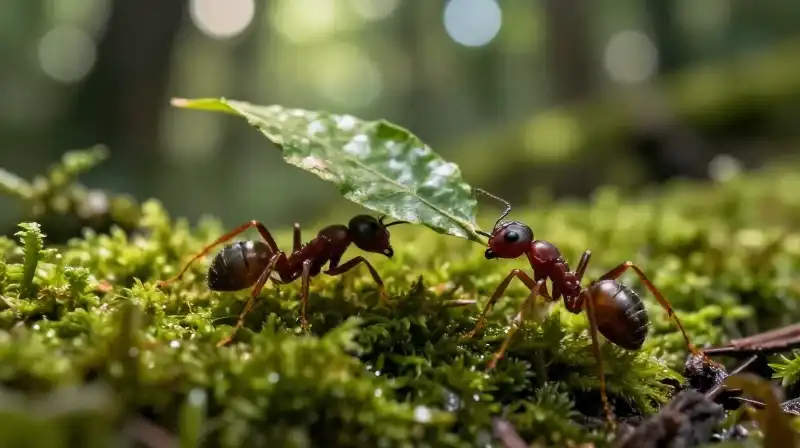
For ants, bleach can be a quick and potent contact killer, especially in small, targeted spills. The rapid vapor action can take advantage of the ant’s minute body size, leading to fast extermination. When dealing with a localized problem where immediate death is desired, bleach works effectively.
Bed Bugs
In contrast, bed bugs present a significant challenge for bleach application. They possess robust defenses, and attempts to spray them often backfire. Bed bugs typically have a strong instinct to avoid chemical exposure. Furthermore, because bed bugs hide deep within cracks, crevices, and mattresses, guaranteed direct contact is extremely difficult to achieve.
When sprayed, bed bugs often scatter rather than die outright, which can spread the infestation further. Because bleach is a toxic chemical, any attempt to use it as a general eradication method for bed bugs runs a high risk of failing to penetrate the cracks where they reside. The chemical action of bleach is simply insufficient for eliminating eggs or the mature insects hidden deep within the bedding or wood structure.
Comparing Solutions: Bleach, Baits, and Natural Deterrents
Since bleach often proves limited against larger or more protected pests, it is helpful to consider other methods of pest management. The optimal choice depends on the severity of the infestation and your goals (e.g., quick kill vs. long-term elimination).
| Method | Primary Mechanism | Best Suited For | Effectiveness Note |
|---|---|---|---|
| Bleach (Sodium Hypochlorite) | Chemical/Vapor damage; Oxidation. | Surface spills, ants (quick local kill). | Requires direct contact; risky with bed bugs; toxic. |
| Ant Baits | Ingestion of slow-acting poison (systemic). | Ant colonies (target the queen). | Eliminates the source; requires patience. |
| Diatomaceous Earth (DE) | Dehydration of the insect’s outer layer. | Crawling insects like ants, spiders. | Natural, non-toxic to pets/plants; requires physical presence. |
The Limits and Risks of Using Bleach for Pest Control
While sodium hypochlorite is highly effective as a disinfectant, it is often an inefficient tool for pest management. It is crucial to acknowledge the practical and safety limitations:
- Toxicity: Bleach is a harsh chemical that poses risks of respiratory and eye irritation to humans and pets if mishandled or used improperly.
- Surface Damage: Its corrosive nature can damage certain fabrics, household surfaces, and materials, making it impractical for large-area cleaning.
- Ineffective Against Eggs: Bleach is rarely effective against eggs laid deep within cracks or mattresses, meaning infestations may reappear even if surface pests are killed.
- Avoidance Strategy: Using strong sprays on pests that are skittish (like bed bugs) often causes them to move to a new, untreated location, effectively worsening the situation.
Decision Criteria: When to Choose a Specific Method
The decision between using bleach or alternative methods should hinge on the type of pest and your desired outcome:
- Choose Bleach If: You are dealing with a minor ant spill, a very small number of easily exposed insects, or you need immediate surface disinfection. Be aware of the high safety risk involved.
- Choose Targeted Baits If: You have a persistent ant problem or a hidden colony that you need to eliminate entirely. Baits provide a comprehensive, long-term solution by targeting the reproductive core of the colony.
- Choose Diatomaceous Earth If: You are seeking a non-toxic, natural way to manage low-level crawling insect activity. This is a reliable mechanical method for drying out the insects’ bodies.
Synthesis: Choosing a Sustainable and Effective Solution
Effective pest management requires matching the method to the specific pest and the severity of the problem. Bleach is a potent, quick-acting chemical that is best reserved for localized disinfection and easy-to-reach insect contacts. For more stubborn or deeply entrenched pests like bed bugs, or for systemic issues like large ant colonies, chemical contact is not the optimal strategy. Relying solely on bleach risks high toxicity and high application effort for limited results. For truly sustainable and comprehensive protection, specialized treatments or integrated pest management (IPM) strategies that combine baits, targeted treatments, and environmental control are generally the most successful approach.
Frequently Asked Questions
What insects does bleach kill?
Bleach can be a quick and potent contact killer against ants, especially in small, targeted spills. However, it presents a significant challenge for bed bugs, as attempts to spray them often cause them to scatter rather than die outright.
How to choose a pest control method
Determine the situation
Assess the type of pest, the severity of the infestation, and whether your primary goal is a quick kill or long-term elimination.
Choose Bleach
If you are dealing with a minor ant spill, a very small number of easily exposed insects, or if you need immediate surface disinfection, choose bleach. Be aware of the associated high safety risks.
Choose Targeted Baits
If you have a persistent ant problem or a hidden colony that you need to eliminate entirely, choose targeted baits to provide a comprehensive, long-term solution by targeting the reproductive core of the colony.
Choose Diatomaceous Earth
If you are seeking a non-toxic, natural way to manage low-level crawling insect activity, use Diatomaceous Earth, which provides a reliable mechanical method for drying out the insects' bodies.
Related Articles