Do All Oysters Produce Pearls? The Science of Nacre

Introduction
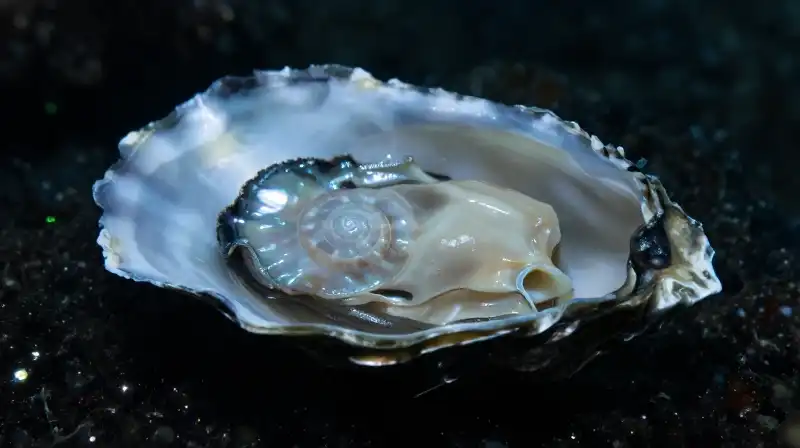
The question of whether all oysters produce pearls is a common one, touching on biology, natural defense mechanisms, and valuable commerce. The short answer is a definitive no: not all oysters, or indeed all mollusks, produce pearls. Pearl formation is not a guaranteed trait; it is a complex biological process that occurs only when the mollusc reacts to a specific internal irritation. To understand this, one must view the oyster not as a factory for luxury gems, but as a sensitive biological system. Pearls develop when a foreign material—an irritant—becomes lodged within the soft tissue of the mantle. This irritation triggers a protective reaction, leading to the formation of nacre, or mother-of-pearl.
The Biology of Nacre Formation: A Defense Mechanism
At its core, pearl formation is a mollusc’s instinctive way of shielding itself from harm. When a bivalve mollusc, such as an oyster, suffers damage or has a parasite enter its shell, the organism detects this foreign body. In response, the mantle secretes calcium carbonate and specific organic materials, slowly wrapping the irritant in layers. These layers harden and stack to form the iridescent structure known as nacre. Nacre is not a manufactured product but a structural protein that encapsulates the irritant. It is the biological equivalent of a wound being protected by scar tissue. Because this process is so slow—it can take several years to develop a large, valuable pearl—it demands immense patience and specific environmental conditions.
Why Not All Oysters Produce Pearls: Limiting Factors
While many people associate pearls exclusively with “pearl oysters,” this is a misunderstanding of the biological prerequisites. Oysters, like any animal, possess different genetic predispositions and physical tolerances. The primary reasons why an oyster might not produce a pearl include:
- Lack of Sensitivity: Some oyster strains may simply not possess the necessary biological receptors or genetic instructions to initiate the nacre secretion response.
- Lack of Proper Stimulus: While an irritant is necessary, the nature of the irritant, its size, and how it lodges within the mantle affect whether a pearl develops.
- Environmental Stress: Water quality, salinity, and pollution dramatically impact an oyster’s health. High stress levels can compromise the oyster’s ability to focus energy on the slow, metabolic process of nacre deposition.
- Nutritional Deficiencies: Pearl production requires significant amounts of calcium carbonate. If the oyster’s environment lacks the necessary dissolved minerals, the resulting pearl will be compromised.
Distinction Between Natural and Cultured Pearls
The method of pearl production greatly influences the outcome. Natural pearls form spontaneously when an oyster encounters a foreign object in the wild. Cultured pearls, conversely, involve human intervention: an irritant (a mantle piece) is intentionally placed inside the oyster. Even with this technique, the success of production is not guaranteed, highlighting that human intervention merely prompts a natural biological reflex, it does not force it.
Beyond Oysters: Who Else Makes Pearls? (Do Clams Make Pearls?)
It is important to correct the common misconception that only oysters make beautiful, solid pearls. Pearl formation is widespread among various types of shellfish, though not all produce the same quality.
General Pearl Producers
The ability to create nacre-based pearls is primarily limited to bivalve molluscs and some gastropods.
Some molluscs known for their pearl production include:
- Clams and Mussels: While they are capable of forming pearls, the specific anatomical response varies widely by species.
- Conch and Snails: Gastropods like the conch can produce pearls, but they are often structurally different from nacre-based bivalve pearls.
- Abalone and Scallops: Large, high-quality pearls, often found deep within the mantle tissue of certain species like scallops, are a known phenomenon.
- Other Bivalves: Various clams and specialized shellfish can exhibit pearl characteristics when stressed.
Therefore, when you ask if clams make pearls, the answer is yes, but the quality and type of pearl may vary significantly compared to a pearl oyster.
Practical Considerations in Pearl Cultivation and Wild Collection
The reality of pearl harvesting involves significant practical and ethical considerations that differ vastly from biological theory.
The Nature of the Harvest
Wild pearl harvesting, which seeks pearls naturally present in the ocean, is fraught with uncertainty. The location of high-quality pearls is often unpredictable, and their price (Oyster Pearl price) is highly variable, dictated by the rarity, size, and iridescence of the specimen.
In commercial farming, the process is an investment in a chance. Because the formation process is so slow (often spanning several years), commercial operations monitor factors like water purity and oyster health to maximize the likelihood of nacre development.
Ethical Considerations in Farming
Modern pearl farming faces a sustainability challenge. Traditional methods of harvesting can lead to 100% mortality of the molluscs. While “animal-friendly” techniques exist, they often involve complex monitoring and artificial stimulation, which can also lead to high stress and mortality rates over time, as the organisms struggle with the rapid demands placed upon their natural biological systems.
Synthesizing the Biological Reality of Shell-Bound Gems
To summarize the complex relationship between oysters and pearls, it is helpful to focus on the mechanism of protection. A pearl is essentially a solidified response to a localized trauma or irritant within the animal.
When considering your interest in pearl molluscs, evaluate these practical factors:
- Intent of Observation: If you are observing a natural oyster in the ocean, the presence of a pearl is not guaranteed and depends on whether a foreign object has become wedged and if the specific species is capable of forming nacre.
- Quality Signals: Pearl quality is intrinsically linked to the species of the oyster being cultivated, the consistency of the irritant, and the purity of the environment.
- Species vs. Process: Remember that the mantle is the specific anatomical part responsible for pearl production. A pearl is a product of the mantle reacting to a stimulus, not merely a general function of the oyster.
Ultimately, pearls are not a standard “oyster attribute” but a rare, biologically triggered defense mechanism. Even in food-grade oysters, the potential for pearl formation exists, but it requires the right combination of biological capability, a specific irritant, and an uncompromised environment.
Culturing Pearls in Oysters
Prepare the Irritant
Obtain a suitable irritant, typically a piece of the oyster's mantle, for placement.
Introduce the Irritant
Intentionally place the irritant inside the oyster's soft tissue to prompt the biological reflex of nacre formation.
Monitor Environmental Conditions
Maintain optimal environmental conditions, such as high water purity and balanced salinity, to maximize the oyster's ability to focus energy on the slow deposition process.
Ensure Oyster Health
Continuously monitor the oyster's health and nutritional status, as lack of calcium carbonate or high stress can compromise the resulting pearl.
Allow for Formation
Allow the process to occur over a period of several years, as the formation of a large, valuable pearl is an extremely slow, metabolic biological process.
Related Articles