Do Dolphins Have Pleasure During Sex? The Science of Marine Mating

Introduction
The question of whether dolphins engage in mating purely for pleasure or solely to ensure reproduction is a central, yet complex, topic in behavioral science. While traditional biology often views animal sexual activity through the lens of reproductive necessity, modern research suggests that the motivations of highly social marine mammals, such as dolphins, are far more multifaceted. The consensus emerging from anatomical and behavioral studies confirms that dolphins do experience sexual gratification. However, understanding whether they “mate for pleasure” requires distinguishing between instinct driven by reproduction and behaviors driven by sensory reward and social complexity.
The Biological Basis for Sexual Pleasure
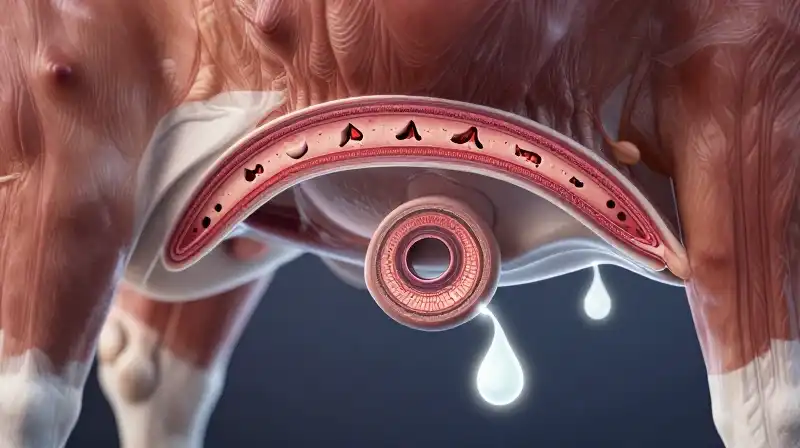
The most compelling evidence supporting the idea that dolphins have sex for pleasure is found within their specialized anatomy, particularly the complex structure of the female reproductive system. Historically, evolutionary biology often focused heavily on male anatomy; recent research has highlighted the importance of female reproductive structures, which are highly sensitive and geared toward deep arousal.
Dolphin Clitoral Anatomy
Dolphins possess a highly sophisticated clitoris, which serves as a major biological indicator of pleasure. This structure is not merely a rudimentary organ but is characterized by:
- Extensive nerve endings designed for high sensitivity.
- Well-developed erectile spaces capable of significant arousal.
- Unique anatomical features, such as an ‘S’ shaped bend in the erectile tissue, suggesting strong physical response to stimulation.
The complexity and sensitivity of this organ provide concrete biological proof that the sensation of sexual stimulation is a primary component of the dolphin mating experience.
The Role of Female Reproductive Folds
Beyond the clitoris, the dolphin vagina features intricate folds. While these folds are hypothesized to play a role in protecting the reproductive tract from lethal salt water during copulation, they also contribute to the overall physical sensation of mating. These structural elements underscore a sophisticated biological design that goes beyond the simple mechanical requirements of reproduction.
Distinguishing Pleasure from Reproductive Instinct
It is crucial to recognize that in the animal kingdom, the line between instinct (driven by the drive to breed) and pleasure (driven by sensory reward) is often blurred. For many species, behaviors driven by biological drive and those driven by pleasure are inextricably linked.
The Complexity of Behavioral Drive
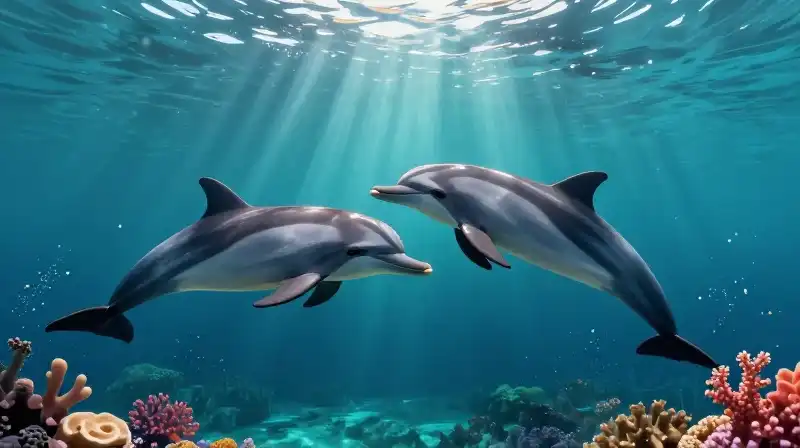
Dolphins are documented as highly sexual animals, exhibiting promiscuity and engaging in both heterosexual and homosexual mating. This wide range of sexual behavior suggests that their drive is not strictly limited to finding a reproductive partner at a specific fertility window. Research into diverse mammalian species, such as bonobos and Japanese macaques, has observed similar behaviors motivated by pleasure rather than imminent pregnancy.
Observational Evidence and Non-Reproductive Acts
Anecdotal evidence and behavioral studies of marine mammals have noted instances of sexual acts that appear aggressive, playful, or entirely non-reproductive. These observations suggest that sexual activity can function as a social or behavioral outlet, extending beyond the function of genetic propagation.
Addressing High Sex Drive and Mating Patterns
One common question is whether dolphins simply have an exceptionally high sex drive. The truth is that their sexual drive appears integrated into their complex social and behavioral patterns. They are highly social creatures, and sexual interactions often occur within the context of social group dynamics.
Social Context and Pleasure
The ability of dolphins to form complex social bonds likely influences their mating rituals. If sexual activity serves not only to reproduce but also to strengthen social ties, reinforce hierarchy, or simply provide a release of physiological tension, it becomes a behavior motivated by pleasure and social reward. Their documented capacity for sexual variation (e.g., mating in all forms) supports the idea that sexual activity holds intrinsic value beyond the simple act of breeding.
Why the Nuance Matters: Limits of Scientific Proof
While the anatomical evidence for sexual pleasure in dolphins is substantial, it is necessary to maintain scientific caution. Currently, definitive, objective proof of an animal’s subjective emotional state—such as “enjoyment” or “satisfaction”—remains a profound challenge for scientists. We can observe the physical mechanisms of pleasure (arousal, nerve stimulation, physical response), but we cannot definitively measure the *feeling* of satisfaction. Therefore, the scientific consensus is not that dolphins “feel pleasure in the same way humans do,” but rather that they possess a highly evolved, sensitive sexual anatomy and behavioral repertoire consistent with the experience of sexual gratification.
Synthesis: The Function of Pleasure in Marine Mating
To summarize the findings on whether dolphins mate for pleasure, the data suggests a powerful “yes” based on biological and behavioral criteria. While reproduction remains a vital biological function, the sophisticated reproductive anatomy, coupled with observed high levels of sexual activity and behavioral variation, indicates that sexual fulfillment is an intrinsic part of the dolphin experience. Understanding this pleasure is critical because it helps scientists better understand the function of the female orgasm across different mammalian species. Ultimately, dolphin mating reflects a highly evolved interaction where biological imperative meets complex sensory and social reward.
Frequently Asked Questions
Do dolphins have a high sex drive?
Dolphins are documented as highly sexual animals, exhibiting promiscuity and engaging in both heterosexual and homosexual mating. Their sexual drive appears integrated into their complex social and behavioral patterns.
Related Articles