
Do Cows Always Produce Milk? Understanding the Science of Lactation

Introduction
It is a common assumption that dairy cows are perpetual milk factories, producing a steady supply of milk year-round. However, the biological reality is fundamentally different. The direct answer to the question, “Do cows always produce milk?” is no. Milk production is strictly tied to a specific biological state called lactation. This process is not a continuous, constant output, but rather a cyclical, highly regulated function exclusive to maternal nourishment following birth. Understanding the science of lactation reveals the precise timing, the limiting factors, and the biological mechanisms behind how and when dairy cows produce milk.
The Biology of Lactation: A Maternal Function
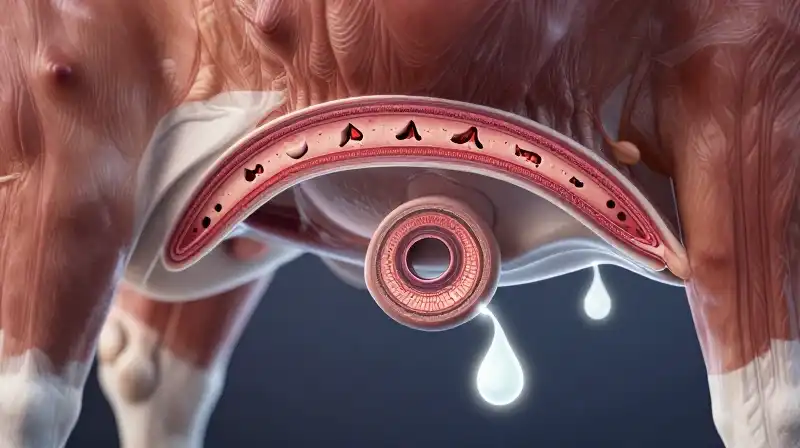
To understand when cows produce milk, one must first grasp what lactation is. Lactation is the biological process where a female mammal synthesizes and secretes milk to feed her offspring. For cows, this is a function of maternal biology; the milk is produced specifically to nourish a newborn calf. This production relies heavily on hormonal changes and physical stimulation. Even after a calf is born, the milk supply naturally decreases as the calf matures and requires less nutrition, eventually leading to a natural decline in production. Contrary to the myth that all cows can produce milk at will, only female cows are biologically capable of producing milk. Furthermore, sustaining this supply in a commercial setting requires a continuous cycle of breeding and birth. Milk is not an indefinitely stored substance; it is a dynamic product of the mammary gland responding to the presence of a dependent young.
Milk Production Cycles: When Milk Flow Stops
The idea that cows might produce milk even without a calf or pregnancy is a common misconception, particularly when exploring topics like “how long can a cow produce milk without being pregnant.” Biology dictates that true, mature milk production ceases when the stimulating need for that milk is gone, or during specific physiological breaks. The most significant phase when milk production halts is the **dry period**. In commercial dairy farming, this period typically occurs for about 60 days before a cow is expected to give birth. During this time, the mammary glands naturally cease production, allowing the cow to recover and prepare for the immense physical demands of lactation. This period is essential for the health of the cow and the quality of the eventual milk supply. Similarly, after the lactation cycle ends, the cow enters a period of rest or dry-off. Because milk is linked to the reproductive state and the need for the offspring, sustained high-volume production is biologically impossible outside of the lactation window.
The Role of Stimulation and Output Capacity
Even during an active lactation period, milk production is influenced by several key factors, ensuring it is not a purely automatic, constant flow. 1. **Genetic Potential:** Some breeds, like the Jersey cow, are genetically predisposed to higher milk yields compared to others, setting a biological ceiling on how much milk the cow can produce. 2. **Nutrition and Health:** The diet of the cow is critical. Poor nutrition can significantly depress milk yield, while stress or underlying health issues can disrupt the endocrine system responsible for milk synthesis. 3. **Physical Stimulation:** In a dairy context, regular stimulation—the act of milking—is necessary to maintain the milk supply and trigger the glands to continue producing. This ensures the supply keeps pace with the demand. It is important to understand that a dairy cow is bred to be an extremely efficient producer. Its milk output is designed to be far greater than what its own single calf would typically consume naturally, which is a key feature of modern, highly specialized agriculture.
Addressing Common Dairy Misconceptions
Several common queries highlight the gap between public perception and scientific fact. These questions frequently arise when seeking to understand the limits of bovine milk production: * **Do cows produce milk even without a baby?** No. Without the presence of a calf and the subsequent hormonal cycle that triggers and sustains lactation, mature milk production does not occur. * **Do cows produce milk even if not pregnant?** No. Milk production is a post-natal event. Pregnancy is a period of gestation where the body is preparing for birth, but the mammary glands do not begin the milk-secretion process until after the calf has been delivered. * **Do cows stop producing milk if you stop milking them?** While the supply will certainly decrease, the process is driven by biological signals (calving/stimulation), not just the physical extraction. However, reducing stimulation during the dry period is the necessary physiological signal that stops production.
Welfare and the Dairy Cycle: The Human Perspective
The scientific facts about lactation naturally intersect with the practices of commercial farming. The entire industrial dairy cycle is built around maximizing the “lactation period.” Because cows do not produce milk continuously, the economic value of a dairy cow is highest during its productive cycle. This focus on maximum yield has historically raised significant welfare concerns. The industrial model prioritizes efficiency and volume, which can lead to intensive breeding practices and often requires the removal of male calves early in life. The modern movement to improve dairy cow welfare, therefore, centers on refining these production cycles to be more humane. Efforts are currently focused on improving the overall quality of life for cattle and advocating for higher standards that respect the natural limits and biological needs of the animals throughout their entire lifespan, including their dry periods.
Summary of Lactation Limits and Exceptions
Ultimately, cows do not possess the ability to produce milk perpetually. Milk is a biological, transient product. * **The Trigger:** Milk production only begins after giving birth. * **The Duration:** It lasts approximately 305 days (lactation period). * **The Inhibitor:** Milk production ceases during the necessary dry period and when the reproductive cycle concludes. In practical terms, understanding these limits is essential for appreciating the complex biological cycle of dairy cattle and the distinction between maternal nutrition and constant production. The life of a dairy cow is defined by these cycles, and welfare movements are increasingly focused on ensuring these cycles are managed with respect for the animal’s well-being, rather than simply for peak output.
Frequently Asked Questions
Do cows produce milk even without a baby?
No, mature milk production does not occur without the presence of a calf and the subsequent hormonal cycle that triggers lactation. Lactation is a maternal function where milk is specifically synthesized to nourish a newborn calf.
Do cows produce milk even without being pregnant?
No, mature milk production does not occur without a calf or if the cow is not pregnant, as milk production is exclusively a post-natal event tied to the hormonal cycle of lactation. This process is only triggered and sustained after a calf has been delivered.
Do cows stop producing milk if you stop milking them?
The milk supply will certainly decrease if milking is stopped, but production is primarily driven by biological signals and stimulation, not just physical extraction. Reducing stimulation during the dry period is the necessary physiological signal that stops production.
Do cows produce milk even if not pregnant?
No. Milk production is a post-natal event, meaning that the mammary glands do not begin the milk-secretion process until after the calf has been delivered.
How the Dairy Lactation and Production Cycle Functions
Enter the Dry Period
For optimal preparation, the cow enters a dry period (typically around 60 days) before giving birth, during which the mammary glands naturally cease production.
Give Birth
The birth of the calf serves as the primary biological trigger, beginning the process of lactation.
Sustain Milk Production
Regular physical stimulation, such as milking, is necessary to maintain the milk supply and keep the glands producing at a high rate.
Manage the Lactation Duration
Milk production typically lasts for the lactation period (roughly 305 days) until the calf matures and requires less nutrition.
End the Cycle
After the lactation period concludes, the cow enters a period of rest or dry-off, preparing for the next cycle of breeding.
Related Articles