Black Hair vs. Dark Brown: The Scientific Difference in Color and Tone

Introduction
The question of whether black hair is merely a deeper shade of brown touches upon a complex intersection of genetics, light physics, and human perception. While common usage often treats the two colors interchangeably, a scientific and visual distinction exists. The shortest answer is that while black hair occupies the deepest end of the brown spectrum, the two colors are not identical. The primary difference lies not just in depth, but in the specific quality, saturation, and undertone of the pigmentation.
The Science of Color: Melanin and Light Absorption
To understand the difference, one must first look at the science of color. Hair color is determined by melanin, which is genetically produced within the hair follicle. There are two main types: eumelanin and pheomelanin.
Eumelanin is responsible for the production of black and deep brown colors. It is a complex pigment that absorbs light across the visible spectrum. When hair is intensely saturated with eumelanin, it absorbs almost all visible light, resulting in a deep, highly saturated tone that the human eye interprets as black. Conversely, pheomelanin contributes to the reds, golds, and warmer tones found in blonde and red hair, and is also present in lighter shades of brown.
Scientifically, “black” is less a distinct color and more a result of minimal light reflection. The difference between a very dark brown and a true black shade is fundamentally the density and type of eumelanin present, and how that density interacts with external light sources.
Distinguishing Black Hair from Dark Brown
The most reliable way to differentiate these shades is by analyzing their undertones and overall visual impact, especially when viewed in different lighting.
| Feature | Black Hair | Dark Brown Hair |
|---|---|---|
| Melanin Density | Extremely high concentration of eumelanin. | High concentration of eumelanin, but often mixed with varying amounts of other pigments. |
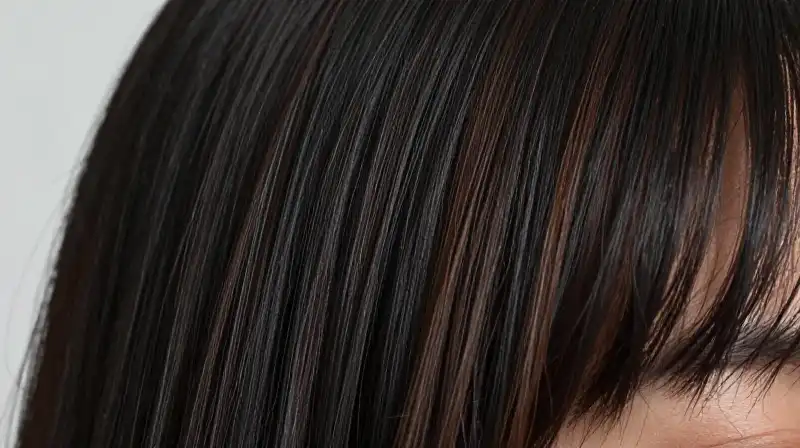
| Undertone | Typically cool undertones (ash or blue-black). | Typically warmer undertones (chocolate, mahogany, or reddish-brown hints). |
| Visual Saturation | Maximum saturation; highly dramatic and intense. | Rich and deep, but softer and more nuanced. |
| Light Interaction | Absorbs almost all light, appearing uniformly dark. | Absorbs light, but the undertones can reflect subtle warmth (gold, red) under certain lights. |
A pure black shade (often described as jet-black or raven black) is characterized by its ability to present a highly saturated, dramatic appearance and often possesses cool undertones. Dark brown, or deep brunette, is a rich, deeply pigmented shade that exists between medium brown and black, frequently containing warm chocolate or reddish hints that are undetectable under flat, neutral light but become apparent in sunlight or warm artificial lighting.
Visual Perception and External Factors
The perception of black hair versus dark brown can be heavily influenced by factors outside of the hair itself, including the viewer’s environment and biological factors.
The Role of Lighting and Environment
Lighting is a critical factor. Under bright, neutral studio lights, both true black and the deepest dark brown can appear incredibly dark and almost indistinguishable. However, when seen under warm indoor lighting or direct sunlight, the warmth in dark brown hair becomes noticeable. Additionally, because black hair absorbs so much light, it can appear more dramatic and high-contrast, sometimes washing out very fair skin. Dark brown, by contrast, offers a softer, more natural transition.
Hair Color and Skin Sensitivity
Regarding health concerns like rosacea, specific color recommendations are highly individual. However, individuals with sensitivity to heat or light may find that extremely high-contrast, jet-black colors—which tend to look stark and dramatic—might feel more pronounced against certain skin tones. Choosing a deep espresso or chocolate brown, which is less saturated and warmer, might provide a slightly softer visual effect.
Navigating Hair Color Choice and Maintenance
When selecting or maintaining a dark color, understanding the distinction can prevent common mistakes, such as over-processing or choosing a tone that clashes with one’s complexion.
Choosing the Right Undertone
To ensure your color complements your skin tone, consider these guidelines:
- Cool Skin Tones: Ash-black or deep blue-black shades usually work best. These cool undertones help make the features stand out against cool skin.
- Warm or Neutral Skin Tones: Rich, warmer shades like chocolate brown, espresso, or latte tones will generally provide the most harmonious complement to warmer complexions.
Preserving Depth and Tone
The maintenance required for each shade differs based on its pigment structure:
- Black Hair Care: Due to its intense saturation, black hair is less prone to fading than brown. However, its deep nature means that regrowth (root touch-ups) highlights the contrast more prominently, requiring careful, precise application. Use color-depositing products to maintain depth.
- Dark Brown Hair Care: Dark brown tones benefit from dimension. Incorporating subtle lowlights or highlights can add richness. Natural methods, like rinsing with ingredients such as honey, can occasionally brighten the shade without harsh chemicals.
Conclusion: Practical Synthesis
Black hair is, in a scientific sense, the deepest possible shade of brown, defined by an extremely high density of eumelanin that results in maximal light absorption. However, they are not the same. The difference between true black and deep brown lies in the nuances of undertone—cool, saturated black versus warm, complex chocolate tones. When making a decision, focus less on the name “black” and more on the desired *undertone* and *light interaction* to achieve the perfect, natural look.
Frequently Asked Questions
What color is black hair actually?
Scientifically, black hair is the deepest possible shade of brown, resulting from an extremely high concentration of the pigment eumelanin that absorbs almost all visible light. It is visually characterized by its maximal saturation and cool undertones.
What hair color is best for rosacea?
Specific recommendations for rosacea are highly individual. However, individuals sensitive to heat or light may find that choosing a deep espresso or chocolate brown—which is less saturated and warmer—might provide a slightly softer visual effect compared to high-contrast black.
Is black hair really very dark brown?
While black hair occupies the deepest end of the brown spectrum, the colors are not identical due to differences in quality, saturation, and undertone. True black is characterized by extremely high eumelanin concentration resulting in cool undertones and maximal light absorption, whereas dark brown is often mixed with other pigments, typically displaying warmer undertones.
What is Zooey Deschanel's hair color?
The provided article does not mention Zooey Deschanel, so her hair color is not discussed.
How to Maintain Dark Hair Color Depth and Tone
Maintain Black Hair Saturation
Due to its intense saturation, black hair is less prone to fading than brown. Use color-depositing products to maintain depth.
Manage Black Hair Regrowth
Because black hair absorbs so much light, its regrowth (root touch-ups) highlights the contrast more prominently, requiring careful, precise application.
Enhance Dark Brown Hair Dimension
Dark brown tones benefit from dimension; incorporate subtle lowlights or highlights to add richness.
Brighten Dark Brown Hair Naturally
Natural methods, such as rinsing with ingredients like honey, can occasionally brighten the shade without harsh chemicals.
Related Articles