
Vodka vs. Whiskey: Comparing Distillation, Ingredients, and Flavor

Introduction
To understand the fundamental difference between vodka and whiskey, one must look past their shared classification as distilled spirits and examine their contrasting production philosophies. The distinction lies in the journey of purification versus the necessity of maturation. Vodka is engineered for supreme neutrality, utilizing extreme distillation processes to eliminate virtually all flavor and aroma, regardless of the starting ingredient. Whiskey, conversely, is defined by its requirement to age in wooden barrels. Its flavor is intentionally developed and shaped by the spirit itself, the type of grain used, and the “essence of oak” that leaches from the barrel during a specified period.
Ingredient Base and Primary Requirements
The starting materials and legal constraints are the first major point of divergence between these two categories.
Vodka: Unrestricted Neutrality
Vodka is exceptionally versatile because it is not tied to a single ingredient. It can be distilled from potatoes, grains, grapes, sugar, or various starches. The objective of the vodka producer is not to highlight the character of the base ingredient but to neutralize it entirely. Because of this flexibility, the flavor profile of a vodka is often dictated more by its filtration and final purification stages than its original source material.
Whiskey: Defined by Grain and Maturation
Whiskey has stringent regulatory requirements based on its base. It generally requires a grain—such as corn (Bourbon), rye, barley (Rye, Scotch), or a combination—which is typically malted before distillation. Unlike vodka, whiskey’s character is intrinsically linked to these specific grains. Furthermore, the defining legal requirement for a spirit to be categorized as whiskey (in most major regions) is that the spirit must be aged in wooden casks, usually made of white oak, for a minimum defined period.
Distillation Process: Purity vs. Flavor Extraction
The method by which the liquid is transformed is perhaps the most critical technical difference.
Vodka’s Pursuit of Neutrality
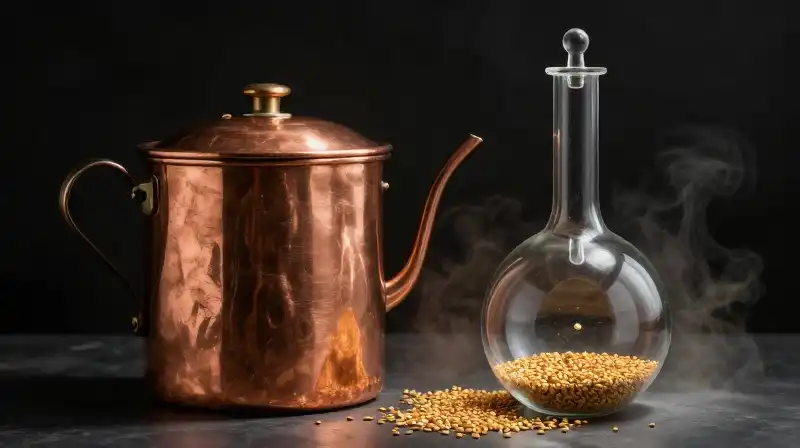
Vodka production focuses on maximum refinement. This is achieved through multiple rounds of high-precision distillation, often utilizing reflux stills. These processes are designed to strip the spirit down to its purest form—ethanol. Impurities, volatile esters, and flavor compounds are meticulously removed. The goal is to create a solvent-like spirit that will allow the drinker to focus entirely on the mixers or flavors added, resulting in the clean, neutral profile common to high-quality vodka.
Whiskey’s Development of Character
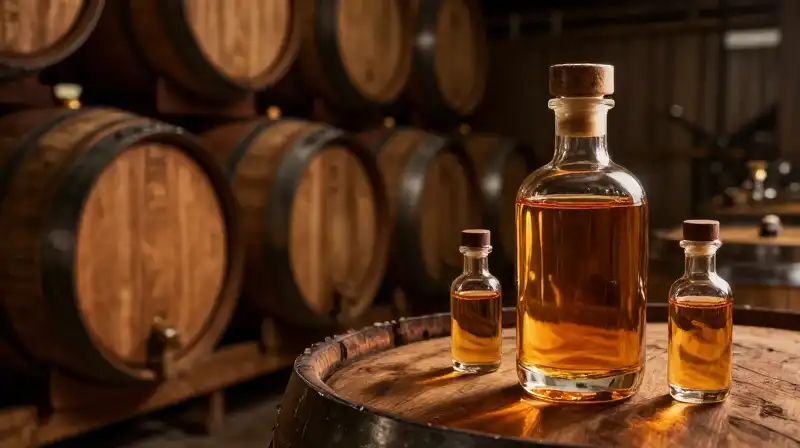
Whiskey uses various methods, such as pot stills or column stills, but the real magic happens afterward. After distillation, the whiskey is placed in barrels. The oak barrels act as a secondary aging chamber, imparting color, tannins, and unique chemical compounds (phenols and vanillins) that create the characteristic flavor. This slow, chemical interaction with the wood is what differentiates whiskey from any unaged spirit, even if both share the same initial distillation temperature.
Comparing Flavor Profiles and Palate The resulting sensory experience of each spirit reflects its production journey.
Vodka Flavor Profile: Blank Canvas
Vodka is designed to be flavor-adjacent. While high-end vodkas may possess subtle notes derived from their specific filtration or the use of superior spring water, the dominant impression is one of extreme clarity and smoothness. It lacks the complex, spicy, or woody notes that define other spirits, making it the ideal spirit for clear, mixed drinks.
Whiskey Flavor Profile: Complex and Regional
Whiskey is known for its complexity. The flavor profile changes dramatically based on the base grain, the distillation method, the wood it was aged in, and the geographic region of production (e.g., the smokiness of Scotch vs. the vanilla-sweet nature of Bourbon). The presence of subtle flavor compounds and trace impurities that remain from the mash and barrel aging contributes to its distinctive, full-bodied taste.
| Feature | Vodka | Whiskey |
|---|---|---|
| Primary Goal | Neutrality and Purity | Development of Flavor and Complexity |
| Base Spirit Source | Any starch or sugar source (potatoes, grains, sugar, etc.) | Typically specified grains (corn, rye, barley) |
| Key Production Step | Multiple High-Purity Distillations | Maturation in Wooden Barrels (Aging) |
| Flavor Profile | Neutral, clear, alcohol-forward | Complex, woody, regional, varied |
Addressing Common Consumer Debates
When making a choice, many consumers have specific questions regarding quality, strength, and health.
Is whiskey more harsh than vodka?
The perceived “harshness” is generally not related to the alcohol percentage (ABV) but rather to the *flavor intensity*. Vodka is processed to be extremely smooth and lack defining flavor notes, which some perceive as gentle. Whiskey, due to the residual compounds and tannins from the aging process and the character of the grains, carries more assertive, complex flavors (like oak, spice, or malt) that many find more robust or pronounced.
Which is better for health?
Both vodka and whiskey are, fundamentally, ethanol. Both carry the standard health risks associated with alcohol consumption, including hangover potential, dependency, and potential damage to various organs. The difference between them is not rooted in a superior “healthy” aspect. Both should be consumed in moderation. Choosing a spirit is generally a matter of taste and enjoyment, not a medical decision.
Choosing the Right Spirit for Your Preference
To make an informed choice, consider your intended use:
Choose Vodka when:
- You are prioritizing the blend: You want a spirit that won’t interfere with complex juice-based cocktails (like Mojitos or Moscow Mules).
- You prefer a clean, crisp, and unchallenging flavor profile.
- The specific characteristics of the base grain or barrel aging are irrelevant to your enjoyment.
Choose Whiskey when:
- You prefer a rich, developed, and complex flavor experience.
- You intend to sip neat or on the rocks to appreciate the nuanced notes imparted by the oak.
- You enjoy a spicy, malt-driven, or heavy oak character that defines its regional style (e.g., bourbon, scotch, rye).
Final Practical Considerations:
Note that while the definition requires barrel aging for whiskey, there are spirits labeled “aged” that might not meet strict traditional standards. Always look for clarity in the labeling regarding the spirit type and aging process to ensure you are getting what you expect.
Synthesis: The Core Differentiator
Vodka is defined by its removal of character, achieving the ultimate blank canvas through extreme distillation. Whiskey is defined by the deliberate creation of character, allowing the grains and wood to build a unique, regional profile through maturation. The decision between them ultimately rests on whether your goal is the ultimate neutrality of the mixer, or the rich, storied complexity of the aged spirit.
Frequently Asked Questions
Is whiskey more harsh than vodka?
The perceived harshness of whiskey compared to vodka is related to flavor intensity rather than alcohol percentage. While vodka is processed to be extremely smooth and lack defining flavor notes, whiskey contains assertive, complex flavors from its aging process and grains that many find more robust or pronounced.
Related Articles