How Old Are Black Shark Teeth? Understanding the Age of Fossils

Introduction
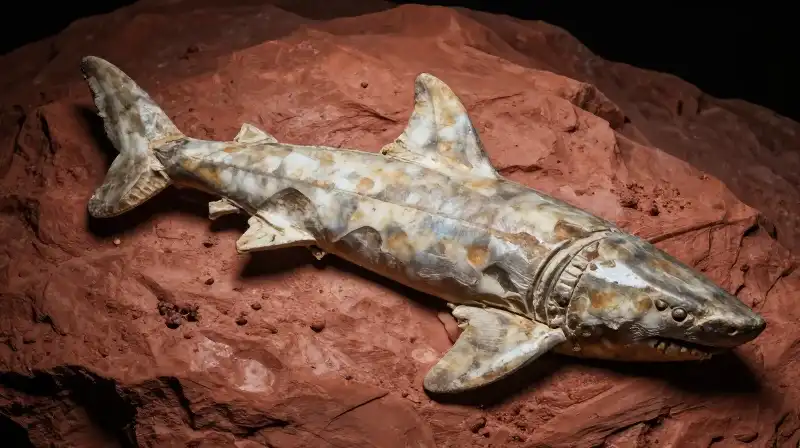
The question of how old black shark teeth are centers on the difference between an intact, biological specimen and a true geological fossil. The simple answer is that if a shark tooth is black or dark brown, it is typically a fossil, meaning it is likely millions of years old. However, the color alone is not a precise dating mechanism. The black hue is a signature of the fossilization process itself—a chemical transformation that involves the replacement of the tooth’s original organic material with surrounding minerals. To understand the age of these specimens, one must first understand the complex process that turns a white, calcified structure into a durable, dark fossil.
The Distinction Between White and Black Teeth
The most immediate way to classify a shark tooth’s state is by its color and how it was obtained.
- White or Off-White Teeth: These are generally un-fossilized. They are usually recently lost teeth found in wild environments, or teeth that have been cleaned and bleached for commercial display. They represent the tooth’s original state, which is composed primarily of calcium phosphate (apatite).
- Black, Gray, or Dark Brown Teeth: These are the result of fossilization. This transformation occurs when a tooth is buried in sediment, preventing oxygen and bacteria from causing decomposition. Over a period that can range from thousands to tens of millions of years, the tooth undergoes mineral replacement.
The transition from white to black is not simply a staining process; it is a fundamental change in the atomic structure of the tooth as minerals from the sediment permeate the porous structure, especially within the root and dentin.
The Chemistry of Fossilization: Why Teeth Turn Black
Fossilization is a lengthy chemical process where the original structure is preserved but chemically altered. This process is responsible for the deep, characteristic colors of fossilized shark teeth.
Mineral Substitution and Metallic Elements
Shark teeth are naturally comprised of calcium phosphate. During the fossilization process, mineral-rich groundwater seeps into the buried tooth. The calcium atoms are gradually replaced by other metallic elements present in the sediment, such as iron and manganese. The presence of these specific metallic elements is the chemical cause of the dark colors typically observed in fossils. The black coloration specifically indicates a high concentration of these particular iron compounds.
The Time Scale of Transformation
The time required for this mineral replacement varies greatly depending on the geological conditions of the environment, but the process is immensely slow. While some mild fossilization can occur over hundreds of years, the transformation that results in dense, black, and chemically stable specimens can take upward of 10,000 years, with some geological records suggesting ages spanning millions of years.
Determining the Age: How Science Estimates Shark Tooth Antiquity
While the color of a black shark tooth strongly suggests it is a genuine fossil and therefore ancient, the specific color itself is not a reliable metric for precise dating. A tooth buried in one type of clay might be older than a tooth buried in a specific type of volcanic ash, even if both appear black.
Estimated Age Ranges for Fossil Specimens
Paleontological evidence indicates significant age ranges for shark fossils. Many widely studied fossil specimens are estimated to be approximately 9 to 10 million years old. However, the geological record also contains evidence of older specimens, with some finds dating back as much as 18 to 20 million years.
Evaluating True Fossils vs. Commercial Specimens
To differentiate between a true ancient fossil and a specimen that merely looks old, consider these factors:
- Geological Context: A black tooth found in a local, specific geological formation is far more likely to be a genuine fossil because the environment is known to host ancient sediments.
- Consistency of Color: Commercial teeth, often sourced globally (e.g., from Morocco), are frequently white or light cream and are cleaned specifically to remove discoloration, regardless of their true age.
- Physical Integrity: While shark teeth are highly durable, commercially traded specimens can suffer from root damage or pre-existing fracture, which is usually not indicative of the fossilization process itself.
Addressing Common Questions About Sharks and Teeth
The search for information about shark teeth often leads to broader questions about shark biology and the market.
Can Sharks Hear People Talking?
From a biological standpoint, sharks are sensitive to vibrations, particularly low-frequency sounds. However, their auditory systems are tuned to detect vibrations in water that are distinct from human vocalizations. Therefore, while they are incredibly attuned to ambient underwater noise, the concept of them “hearing” complex human language is not scientifically supported.
Are Black Shark Teeth Worth Anything?
The commercial value of a shark tooth depends far more on its rarity, size, and verifiable origin than its color. While a black, fossilized specimen might be more sought after by paleontologists due to its scientific integrity, its monetary value in the trade is typically linked to its condition and scarcity, not its age or the specific minerals that caused the dark color.
Practical Criteria for Evaluating Shark Teeth
When examining a specimen, whether for scientific curiosity or purchase, it is crucial to assess the evidence beyond just the color.
Understanding Preservation Limits
The black coloration indicates that the tooth has undergone substantial mineralization, effectively converting a fragile organic structure into a durable, geological artifact. However, this process is not always uniform; the thin outer enamel layer often retains less alteration than the root or dentin.
Scientific Verification
While the visual criteria (black color, geological context) strongly suggest a tooth is a fossil, definitive dating requires professional paleontological analysis. Forensic dating involves studying the geological strata in which the tooth was found, providing the most accurate timeline for its existence. The dark, mineral-rich color of a shark tooth is the primary visual evidence of its status as a fossil, placing it within a very long, deep timeline of Earth’s geological history. While the exact age cannot be determined by viewing the color alone, the presence of black or dark gray mineralization confirms the specimen is an ancient relic that has successfully undergone the chemical transformation of fossilization.
Frequently Asked Questions
How old is a shark tooth if it is black?
A black shark tooth is typically a fossil and is likely millions of years old, but the color alone cannot provide a precise dating mechanism. While many studied specimens are estimated at 9 to 10 million years, geological records contain evidence of older specimens dating back as much as 18 to 20 million years.
Can sharks hear people talking?
Sharks are sensitive to vibrations, particularly low-frequency sounds, but their auditory systems are tuned to detect water vibrations that are distinct from human vocalizations. Consequently, the concept of them hearing complex human language is not scientifically supported.
How to Evaluate a Shark Teeth Specimen
Assess Geological Context
Determine if the black tooth was found within a local, specific geological formation, as this is a strong indicator of a genuine fossil.
Check Color Consistency
Evaluate the color; commercial specimens are often white or light cream and may be artificially cleaned to remove discoloration, regardless of their true age.
Examine Physical Integrity
Inspect the tooth for root damage or pre-existing fractures, which are more typical of commercially traded specimens than the natural fossilization process.
Understand Preservation Limits
Observe the level of mineralization, noting that the outer enamel may retain less alteration compared to the internal root or dentin.
Seek Scientific Verification
For definitive dating, professional paleontological analysis is required to study the geological strata where the tooth was found.
Related Articles