
Erasers: What Are They Made Of? Rubber, Plastic, and Specialty Compounds

Introduction
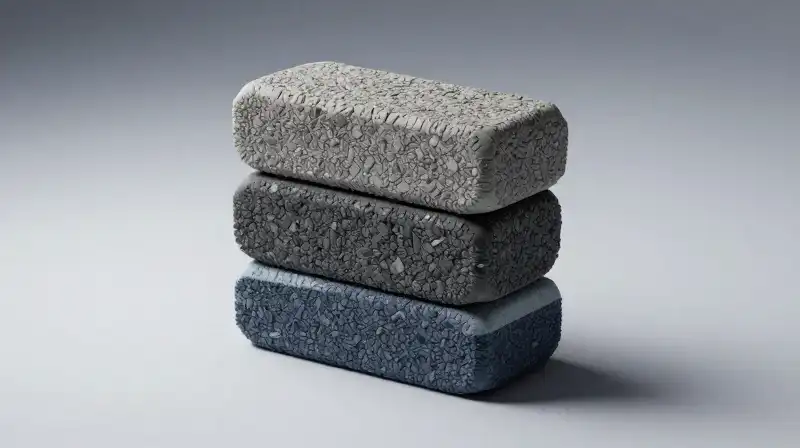
The common pencil eraser is generally recognized as a simple stationery tool, but beneath its unassuming surface lies a complex field of material science. While many are colloquially referred to as “rubber,” the composition of erasers is highly diverse. Modern erasers are not monolithic; they are engineered compounds utilizing vulcanized rubber, various synthetic polymers, and specialized natural gums. The materials used determine the eraser’s effectiveness, ranging from the soft, highly malleable compounds used for delicate work to dense, highly abrasive mixtures designed for heavy correction.
The Foundation: How Erasing Works at the Material Level
To understand what erasers are made of, it is essential to understand their primary function: the physical removal of graphite. Graphite, a soft allotrope of carbon, adheres strongly to paper fibers. The eraser material functions by capturing this fine graphite dust. The internal structure of the eraser is designed to be porous and adhesive. Instead of merely smearing the graphite across the paper, effective erasers trap the carbon particles within their own structure. The successful removal of marks relies on the interplay between the eraser’s material composition and the physical properties of graphite.
Categorizing Eraser Materials
Erasers can be grouped into several categories based on their chemical makeup and intended application. The shift from natural or traditional rubber to advanced synthetics is driven by the need for better adhesion, durability, and non-abrasiveness.
Standard and Traditional Composites
* Vulcanized Rubber: This traditional base material provides the structure and initial elasticity for standard erasers. It is designed to be flexible enough to mechanically break or snap off brittle graphite layers while remaining cohesive enough to hold the dust. * Synthetic Rubber and Soy-Based Gum: Many low-cost erasers utilize synthetic rubber blended with synthetic soy-based gum. This blend offers affordability while providing sufficient tack and erasability for general use. * Styrene-Butadiene Rubber (SBR): This compound is often used in cap erasers, frequently mixed with mineral fillers and abrasives like pumice and plasticizers (such as vegetable oil). The fillers enhance density and resistance to wear.
High-Performance and Specialized Materials
* Vinyl Compounds: Constructed from plasticized vinyl, this material is highly valued because it is soft and non-abrasive. It excels at absorbing graphite rather than simply dragging it across the paper, making it ideal for detail. * Elastomer Compounds: These erasers are made from a thermoplastic elastomer, which combines a styrene resin elastomer with an olefin resin. This combination is specifically engineered to deliver superior erasability and resilience. * Art Gum and Natural Compounds: Art gum erasers are notably soft and are traditionally composed of oils (such as corn oil) vulcanized with specific compounds. Modern versions may use natural or advanced synthetic rubbers to maintain structure while preserving extreme malleability. * Kneaded Erasers: These possess a highly malleable plastic consistency. They are often made from specific rubber and polymer blends, designed to be shaped and used for highly precise, detailed erasing.
Unique and Industrial Materials
* Fiberglass Erasers: These consist of tightly bundled very fine glass fibers. They are not for delicate pencil work but are specifically utilized for highly abrasive applications where deep removal is required. * Chalkboard Erasers: These are functionally different, typically consisting of a block of plastic or wood covered on one side with a durable felt layer.
Material Function: Why Composition Matters
The relationship between the eraser material and the graphite is crucial. Graphite’s natural characteristic is to bond with materials. Different compositions are engineered to exploit this bonding property without causing undue damage to the paper.
| Material Type | Key Properties | Intended Function | Best Used For |
|---|---|---|---|
| Soft Gums / Art Gum | High malleability, low friction | Absorption and lifting of graphite | Delicate corrections, fine detail |
| Vinyl / Elastomers | Non-abrasive, high tack | Trapping and holding graphite dust | General pencil work, colored pencils (better than standard) |
| Styrene-Butadiene | Durable, dense, holds structure | Mechanical friction and removal | Heavy correction, general use (standard) |
| Fiberglass | Extremely abrasive, stiff | Aggressive material removal | Surface cleanup, industrial application |
| The challenge arises when attempting to erase colored pencil cores. These cores often contain waxy components, which bind much more strongly to paper fibers than graphite does. Because of this stronger chemical bond, standard rubber and vinyl erasers often struggle with colored pencils, and specialized methods or much harder erasers are required. |
Practical Selection and Usage Scenarios
Choosing the correct eraser involves assessing the task at hand. Not all erasers are created equal, and using the wrong material can lead to smearing, tearing, or insufficient correction.
- For Delicate Graphite Corrections: Use Kneaded or Soft Art Gum erasers. Their plasticity allows for gentle lifting of pigment without damaging the paper fibers.
- For General School and Office Use: Standard vulcanized rubber or high-quality synthetic rubber blends are usually adequate. They offer a balance of price, durability, and performance.
- For Heavy Corrections or Blending: Specialized, high-density vinyl or SBR erasers with abrasive fillers can provide the necessary friction and aggressive removal.
- When Working with Colored Pencils: Standard erasers will likely smear the wax. Look for specialized elastomer compounds or industrial solvents designed to break down the wax component for effective removal.
Material Safety and Composition Clarification
While the exact chemical formulas used by specific manufacturers (e.g., Bic) are proprietary, all commercial erasers must adhere to safety regulations regarding phthalates and toxic chemicals, particularly those containing volatile organic compounds (VOCs). When considering health concerns, it is worth noting that while many erasers contain synthetic rubbers and gums, high-quality brands prioritize the use of non-toxic and less volatile plasticizers to minimize environmental and skin irritation.
Synthesis of Eraser Composition
Ultimately, an eraser is a highly engineered compound designed to facilitate the physical capture of graphite. Its materials—whether they are traditional rubber, chemically advanced vinyl polymers, or specialized natural gums—dictate its texture, adhesion, and final application. By understanding these compositional differences, you can move beyond the generic label of “rubber” and select the precise tool needed for the job, ensuring that your corrections are effective and damage-free.
Frequently Asked Questions
Are pencil erasers actually made of rubber?
While often referred to colloquially as rubber, erasers are actually engineered compounds with a highly diverse composition. They may utilize materials such as vulcanized rubber, various synthetic polymers, specialized natural gums, or vinyl compounds.
What chemicals are in pencil erasers?
Modern erasers are engineered compounds that utilize materials such as vulcanized rubber, synthetic polymers, and specialized natural gums. Specific ingredients include Styrene-Butadiene Rubber (SBR), plasticized vinyl, and synthetic soy-based gum, which may also contain vegetable oils or corn oil.
What are Bic pencil erasers made of?
The article states that the exact chemical formulas used by specific manufacturers, such as Bic, are proprietary.
What material is an eraser made of?
Erasers are engineered compounds utilizing vulcanized rubber, various synthetic polymers, and specialized natural gums to capture graphite. Depending on their function, materials also include vinyl compounds, elastomers, art gum, fiberglass, or a block of plastic or wood.
What ingredients are in an eraser?
Modern erasers are engineered compounds that generally utilize vulcanized rubber, various synthetic polymers, and specialized natural gums. Specific variations may also include components like synthetic soy-based gum, vinyl, plasticizers, or glass fibers.
Are erasers made of rubber or plastic?
Erasers are not monolithic; they are engineered compounds utilizing a diverse mix of materials, including vulcanized rubber, synthetic polymers, and specialized natural gums. These compounds can incorporate specific plastics, such as vinyl compounds constructed from plasticized vinyl, synthetic rubbers, or thermoplastic elastomers.
Related Articles