Why Do You Get Chills From Music? The Science of Frisson

Introduction
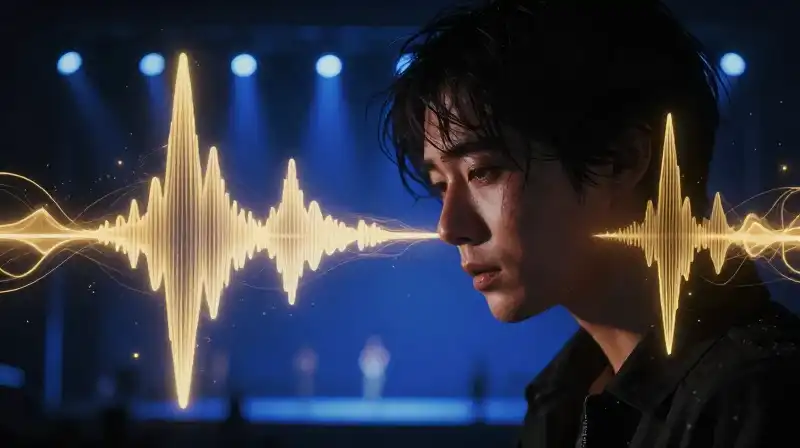
The sudden rush of goosebumps, or “chills,” that occur while listening to music or experiencing a powerful moment is known by scientists and musicologists as frisson (a French word meaning “shiver”). It is a profound physiological and emotional signal, indicating that the brain has registered an experience as particularly moving, significant, or emotionally potent. Rather than being caused by a single factor, the reaction is a complex synthesis of the nervous system’s automatic responses, the brain’s intricate processing of sound, and deeply personal emotional history. Understanding why music gives you chills requires looking at three layers: the automatic physical response, the neurological chemistry, and the psychological impact.
The Automatic Physiology of the Chills
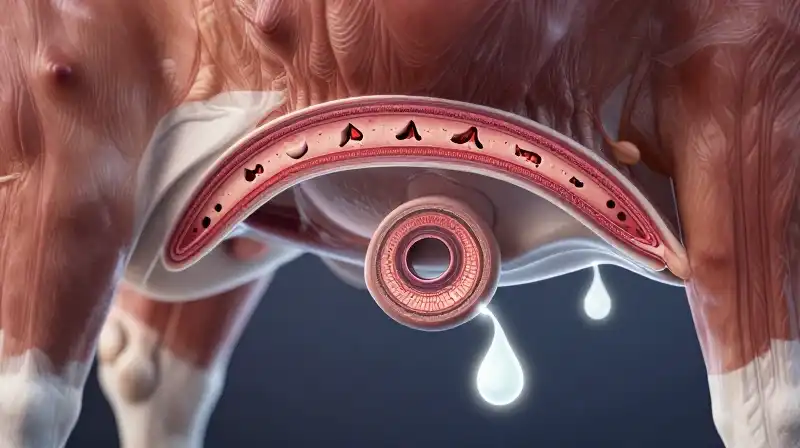
At the most basic level, the chills represent an automatic nervous system response. When you experience frisson, your body reacts physically through a process called piloerection—the tiny muscles that pull hair follicles upright, resulting in the visual effect of goosebumps. This is not simply a “shiver” in the traditional sense, but rather a rapid, involuntary physiological manifestation of a heightened state of arousal.
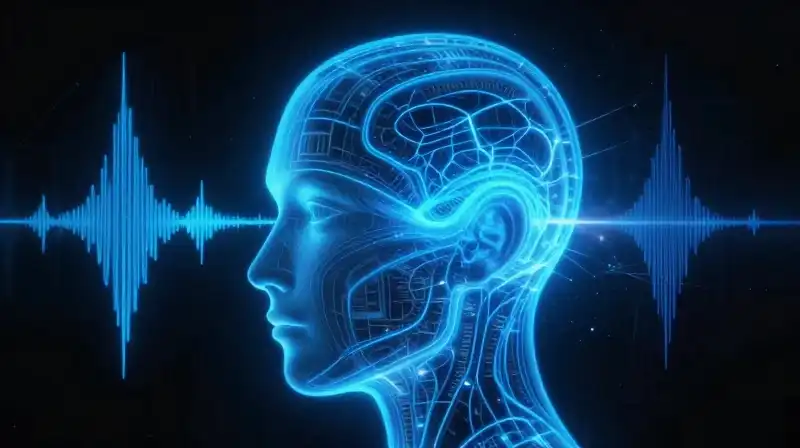
The sensory experience of music often involves sustained vibrations and specific sound waves that the auditory system processes. For some individuals, a highly sensitive nervous system reacts strongly to these vibrations, triggering the automatic release of adrenaline and affecting the autonomic nervous system. This rapid escalation of physiological arousal is the first measurable component of the chill, setting the stage for the deeper emotional and neurological reactions.
The Brain: Anticipation, Chemistry, and Reorganization
The neurological mechanisms behind frisson suggest that the brain is actively involved in assessing the emotional weight of the stimulus. Several hypotheses explore how the brain translates sound into this intense feeling of chills.
Predictive Processing and Reward
One primary theory focuses on the brain’s anticipation circuitry. Music is rarely random; it often follows patterns, expectations, and rules (like melody or key changes). Frisson frequently occurs at moments of “climax” or a significant “payoff”—when the music delivers a resolution to an expectation. This “surprise and resolution” cycle strongly resembles the brain’s reward pathway. The moment the highly anticipated resolution hits, the brain releases chemicals associated with positive reinforcement, such as excitement and happiness. The chills, therefore, act as the physical manifestation of the brain signaling that a reward has been achieved.
Real-Time Neural Synchronicity
Other research suggests that frisson might relate to the brain reorganizing itself in real-time while processing music. When music is deeply engaging, different neural networks—those responsible for memory, rhythm, emotion, and sensory input—may begin to synchronize their firing patterns. This sudden, intense synchronization of brain activity could be perceived subjectively as a profound rush or physical shiver.
Evolutionary Ancestry
From an evolutionary standpoint, the underlying mechanism of goosebumps (piloerection) is a vestige of prehistoric survival traits. In furrier ancestors, these reactions could have served to make an animal appear larger to deter predators. Some theories extend this to aquatic evolution, where sudden, synchronized body movements or reactions in social species (like schooling fish) can influence others; a complex reaction to a sudden auditory cue could be a residual, sophisticated version of these bonding or defensive mechanisms.
The Psychological Power of Memory and Experience
While the biological response provides the physical mechanism, the reason specific music triggers frisson is often deeply personal. The psychological elements—especially memory—are crucial to understanding why certain songs give you chills.
Music as an Episodic Time Machine
Episodic memory is the brain’s ability to store and retrieve specific events and personal experiences. When a song is deeply tied to a formative or emotionally charged moment in your life—a first dance, a pivotal memory, or a period of great stress or joy—that song becomes an anchor. When you hear it, the music doesn’t just stimulate the auditory cortex; it reactivates the entire emotional context of that original memory. The resulting chills are a powerful, somatic reaction to deep nostalgia or profound emotional recognition.
The Role of Expectations and Musical Surprise
The balance between expectation and resolution is key to musical pleasure. If a song is perfectly predictable, it might be pleasant, but it may not trigger frisson. The moments that trigger chills are often those of “musical surprise”—sudden shifts in tempo, volume, or harmony, or the unveiling of a complex melodic line that you instinctively knew was coming but were thrilled to hear. This blend of anticipation (the brain predicting what’s next) and the moment it is fulfilled (the payoff) is the core of the frisson experience.
Frisson in Non-Musical Context
It is important to understand that frisson is not exclusively a musical phenomenon. The underlying principle is the nervous system’s heightened reaction to profound emotional significance. While the auditory input of music is the most common trigger, similar arousal and physical responses can be elicited by other stimuli.
These include:
- Visual Art: Experiencing the climax of a powerful scene in a film.
- Speeches: Listening to highly resonant or deeply moving oratory.
- Performance: Witnessing powerful, synchronized communal activity (such as a large, harmonious crowd).
The common thread across all these triggers is the body’s instantaneous assessment that it is witnessing something highly significant or overwhelmingly emotional, causing the autonomic nervous system to engage in a deep, resonant response.
Individual Variations and Sensitivity
The experience of frisson is highly subjective and does not apply uniformly to everyone. The intensity and specific triggers vary greatly between individuals, likely due to differences in both genetics and life experience.
Factors that can influence your sensitivity include:
- Auditory Processing: Some people are naturally hypersensitive to frequencies and sustained vibrations, making them more prone to automatic physical responses.
- Cultural Context: Music and emotional resonance are often shaped by cultural background and identity, conditioning the brain to link specific sounds to specific emotional states.
- Personal History: If a specific artist or song was present during a major life event, the emotional “trigger” will be permanent, regardless of the song’s musical quality.
In short, while the mechanism of chills is innate to the human biological structure, the content and timing of the triggers are learned and conditioned through lived experience.
Related Articles